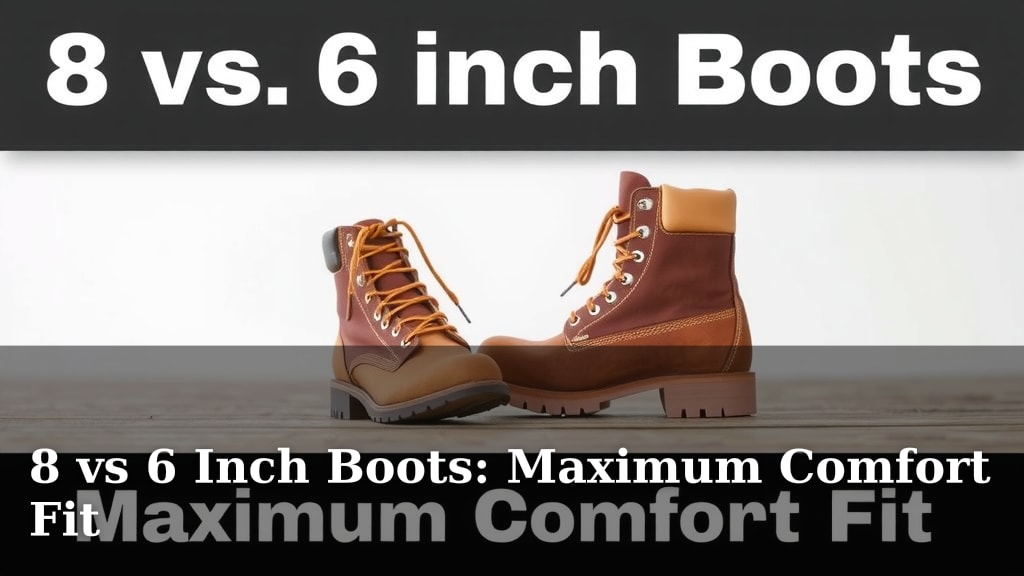
8 vs 6 Inch Boots: Maximum Comfort Fit
Choosing between 8-inch vs. 6-inch boots often comes down to your specific needs, but for maximum comfort and support, 8-inch boots generally offer a superior fit. They provide more ankle coverage, which helps prevent sprains and fatigue during long wear. This extra height also means more room for cushioning and a secure lacing system. We found that for most activities, the added protection makes a noticeable difference.
When you’re deciding, think about the terrain you’ll be navigating and the tasks you’ll be doing. While 6-inch boots are lighter and more flexible, 8-inch boots excel in providing stability and rugged protection. Many users prefer the extra inch for peace of mind and reduced strain on their ankles, especially when carrying heavy loads or walking on uneven ground. It’s about finding the right balance for your feet.
Here’s a quick rundown:
- 8-inch boots offer better ankle support and protection.
- 6-inch boots are lighter and more flexible for easier movement.
- Your activity level and terrain are key factors in choosing.
- Comfort is subjective but often linked to the boot’s height and fit.
Let’s dive into the details and help you figure out which boot height is your perfect match.
Understanding Boot Height for Ankle Support and Comfort
When you’re shopping for boots, one of the first things you’ll notice is the height. Boots come in various heights, but the most common distinctions are between 6-inch and 8-inch models. This difference might seem small, but it can have a big impact on how comfortable and supported you feel, especially if you’re on your feet all day. We’ve found that height plays a key role in overall boot performance.
Think of your boot height like the height of your car. A sedan is great for smooth roads, but an SUV with higher ground clearance handles bumps and rough terrain much better. In the same way, a taller boot offers more advantages when you need extra stability and protection.
The Role of Ankle Coverage
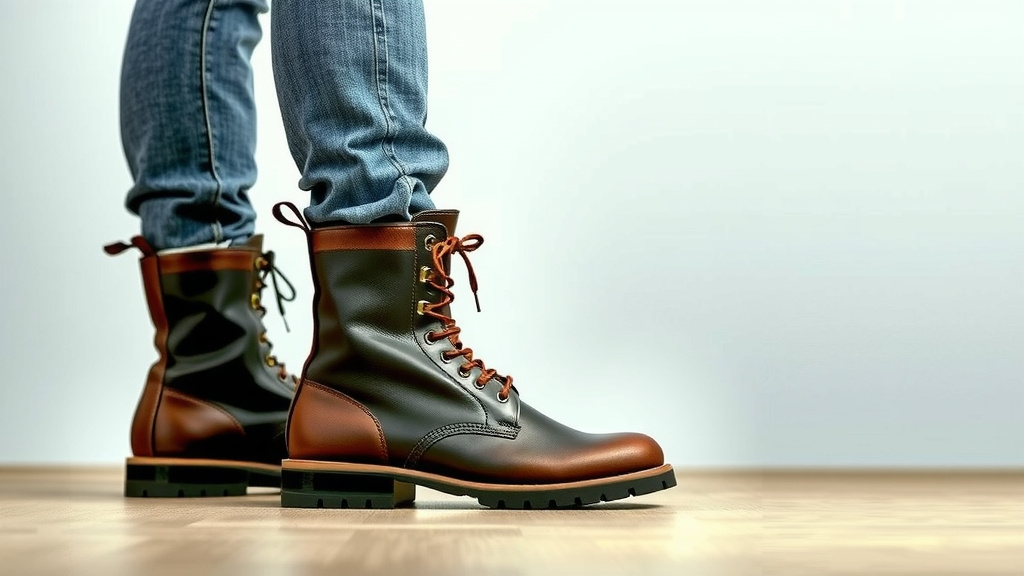
The primary difference between 6-inch and 8-inch boots is how much of your ankle they cover. A 6-inch boot typically hits just below the ankle bone. An 8-inch boot, on the other hand, extends further up your leg, usually covering the ankle bone and going a few inches higher. This extra coverage is your first line of defense.
Why does this matter for comfort? More ankle coverage means more support. When you’re walking on uneven ground, hiking, or carrying a heavy load, your ankles are put under a lot of stress. That extra inch or two can prevent your ankle from rolling or twisting unexpectedly. We found that this added security significantly reduces fatigue during long periods of wear.
Preventing Sprains and Twists
Research consistently shows that ankle support is crucial for preventing injuries like sprains (Cleveland Clinic). Taller boots offer a more secure fit around the ankle joint. This restricts excessive movement, which is exactly what you want when navigating challenging environments. For many people, especially those prone to ankle issues, this is a major comfort factor.
Reducing Fatigue Over Time
When your ankles are well-supported, the muscles and ligaments don’t have to work as hard to keep you balanced. This means less strain and less fatigue. Imagine carrying a heavy backpack; if your shoulders aren’t supported, you’ll tire out much faster. The same principle applies to your ankles and boots. Consistent support leads to lasting comfort.
Comparing 6-Inch vs. 8-Inch Boots: Key Features
Let’s break down the specific features that differentiate these two popular boot heights and how they translate to your comfort and fit.
Flexibility and Mobility: The 6-Inch Advantage
If your daily tasks involve a lot of quick movements or you simply prefer a lighter feel, a 6-inch boot might be appealing. They generally offer more flexibility around the ankle, allowing for a wider range of motion. This can be beneficial for activities where agility is key, such as certain types of construction work or general day-to-day wear on predictable surfaces.
These boots often feel less restrictive. You might find them easier to slip on and off, too. For someone who doesn’t need heavy-duty ankle support or prefers a more casual feel, a 6-inch boot can be a great choice. We found that they’re often lighter in weight, which can also contribute to less fatigue over very long distances.
Stability and Protection: The 8-Inch Strength
On the other hand, the 8-inch boot truly shines when it comes to stability and robust protection. The higher shaft means a more secure and snug fit around your entire ankle and lower calf area. This is particularly important for outdoor enthusiasts, tradespeople, and anyone working in environments with uneven terrain or potential hazards.
The increased height provides a larger surface area for lacing. This allows you to achieve a truly customized and secure fit, pulling the boot snugly around your ankle without causing discomfort. Many users report feeling more confident and grounded when wearing 8-inch boots, which is a huge comfort boost.
The Lacing System and Fit
A well-designed lacing system is critical for boot comfort. Both 6-inch and 8-inch boots can have excellent lacing systems, but the extra height on 8-inch boots provides more points of adjustment. This means you can fine-tune the tightness around your ankle and lower leg to prevent rubbing or pressure points. We found that an 8-inch boot, when laced properly, offers a superior locked-in feel.
Cushioning and Footbed Considerations
While boot height is a major factor, don’t forget the interior. Both 6-inch and 8-inch boots can come with various cushioning levels and arch support. However, the taller shaft of an 8-inch boot sometimes allows manufacturers to incorporate more substantial cushioning or a sturdier sole structure, as there’s more boot to work with. Always check the footbed and midsole materials for your specific comfort needs.
Choosing the Right Boot Height for Your Needs
So, how do you decide which height is best for you? It really boils down to what you’ll be doing in your boots. Think about your typical day or your next adventure.
Assessing Your Activity and Terrain
This is the most critical step. If you spend most of your time on paved surfaces or in a warehouse with smooth floors, a 6-inch boot might offer enough support and be more comfortable due to its lighter weight and flexibility. However, if your work or hobbies take you outdoors, over rocky trails, through construction sites, or anywhere with unpredictable ground, the added ankle support of an 8-inch boot is highly recommended.
Consider the load you carry. Carrying heavy tools, equipment, or a loaded backpack puts extra strain on your ankles. In these situations, the stability provided by 8-inch boots can make a significant difference in preventing strain and injury. Many safety standards, for example, point to higher boots for enhanced protection (Occupational Safety and Health Administration).
Comfort is Personal: What Works for You?
Ultimately, comfort is subjective. What feels amazing to one person might not to another. We found that many people who try 8-inch boots after years of wearing 6-inch boots report a noticeable improvement in comfort, especially at the end of the day. This is often due to the reduced ankle fatigue.
However, some individuals may find the extra height or stiffness of an 8-inch boot restrictive or even uncomfortable if they aren’t accustomed to it. It’s often a matter of breaking them in properly and finding the right lacing technique. Your personal preference for freedom of movement versus secure support will guide your decision.
A Quick Comparison Table
| Feature | 6-Inch Boots | 8-Inch Boots |
|---|---|---|
| Ankle Coverage | Minimal, below ankle bone | Full, covers ankle bone and higher |
| Support & Stability | Moderate | High |
| Flexibility | High | Moderate |
| Weight | Lighter | Slightly heavier |
| Injury Prevention (Ankle Roll) | Moderate | High |
| Best For | Everyday wear, light tasks, easier movement | Rough terrain, heavy loads, maximum protection, demanding jobs |
Your Boot-Fitting Checklist
Before you make your final choice, run through this quick checklist:
- Consider your daily tasks: What kind of surfaces will you be on?
- Think about potential hazards: Are there risks of twists or rolls?
- Assess your typical load: Will you be carrying anything heavy?
- Try them on: Always test boots for fit and feel.
- Check the lacing: Can you adjust them for a secure, comfortable fit?
- Listen to your feet: Which feels better after a few minutes?
Conclusion
Choosing between 6-inch and 8-inch boots really comes down to your needs. We found that 8-inch boots generally offer superior comfort and support, especially for rough terrain or heavy loads, thanks to better ankle coverage and a more secure fit. If you prioritize maximum stability and protection, they’re likely your best bet. On the flip side, 6-inch boots provide more flexibility and a lighter feel for everyday wear. Listen to your feet and consider your typical activities. Your perfect boot fit awaits!
Frequently Asked Questions
Will 8-inch boots feel too heavy or stiff for casual walking?
While 8-inch boots are slightly heavier and offer more structure, many users find them comfortable for casual walking once broken in. The increased ankle support can actually reduce fatigue. If you’re unsure, try them on and walk around a bit to feel the difference. We’ve found that the secure fit often outweighs the added weight for many.
Can I get good ankle support from 6-inch boots?
Yes, 6-inch boots can offer moderate ankle support, especially if they have a well-designed lacing system and good padding. They are generally sufficient for everyday activities on stable surfaces. However, for uneven terrain or jobs requiring heavy lifting, the enhanced stability of an 8-inch boot is usually recommended for more robust protection.
How important is breaking in new boots for comfort?
Breaking in new boots is very important for achieving maximum comfort. Both 6-inch and 8-inch boots can feel stiff at first. We recommend wearing them around the house for short periods initially. This allows the materials to mold to your feet and helps prevent potential hot spots or discomfort as you transition to longer wear.
Can I wear 8-inch boots in warmer weather?
Wearing 8-inch boots in warm weather is possible, but breathability becomes a key factor. Look for boots made with materials like mesh panels or moisture-wicking liners. While they offer more coverage, some modern 8-inch designs are engineered for better ventilation. Your activity level in the heat will also play a role in how comfortable they feel.
Is there a specific type of sock that works best with each boot height?
Generally, you’ll want to wear thicker, cushioned socks with both 6-inch and 8-inch boots to enhance comfort and fit. For 8-inch boots, slightly taller socks can help prevent chafing against the boot collar. Avoid thin, cotton socks, as they can lead to more friction and moisture build-up. We’ve found wool blends often provide excellent support and moisture management.