How Slip-On Boots Should Fit: Comfort Guide
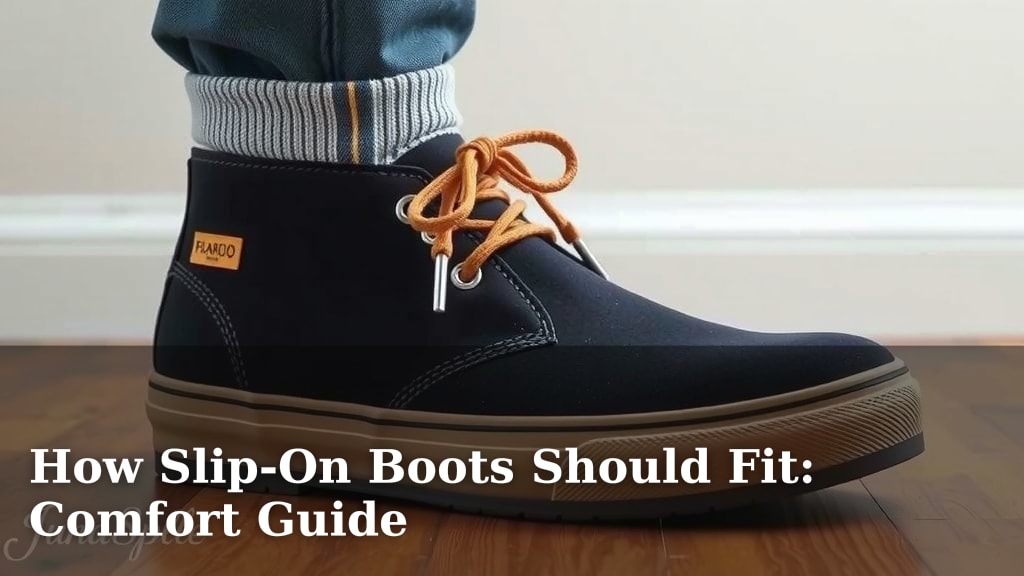
Slip-on boots should feel snug but not tight. Your heel should have minimal lift when you walk. They shouldn’t pinch your toes or rub anywhere uncomfortably. A good fit means they stay on your feet without feeling constricting.
Finding the right fit is key to enjoying your boots. Ill-fitting boots can lead to blisters and sore feet. We’ve researched what makes a pair of slip-on boots feel just right. Pay attention to both the length and the width for all-day comfort.
- Boots should be snug, not tight.
- Check for heel slippage.
- Ensure no pinching or rubbing.
- Proper width is as important as length.
- Aim for a comfortable feel right away.
Let’s walk through exactly how to get that perfect slip-on boot fit, step by step.
Getting the Right Slip-On Boot Fit: A Comfort Checklist
Finding slip-on boots that feel just right is less about magic and more about knowing what to look for. We’ve researched what makes a pair comfortable for hours of wear.
Understanding Slip-On Boot Sizing
Slip-on boots can be a bit trickier than lace-ups. There’s no wiggle room to adjust them. So, understanding how they’re supposed to fit from the start is key.
Length Matters: Toe Room is Non-Negotiable
When you first slide your foot in, pay attention to your toes. You need enough space for them to relax.
Your longest toe shouldn’t be **touching the end** of the boot. There should be a little bit of breathing room. Think about a thumb’s width.
Many experts suggest about a half-inch of space. This allows for natural foot expansion throughout the day. It also prevents your toes from getting squished, which can be painful (Cleveland Clinic).
A boot that’s too short is a fast track to **blisters and discomfort**. You won’t be able to wear them for long.
Width: The Hug Your Foot Needs
Width is just as important as length. An ill-fitting width can cause pressure points and rubbing.
The boot should feel **snug around the sides** of your foot. It should hug your foot without squeezing it. Imagine a gentle, supportive embrace.
If the boot feels loose or sloppy on the sides, it’s too wide. This can lead to your foot sliding around inside. That sliding causes friction. Friction leads to blisters and discomfort.
On the flip side, if it feels like a vise, it’s too narrow. You’ll notice **pinching** around the widest part of your foot. This will make walking a chore.
Heel Fit: The Key to Stability
Your heel is a critical area for slip-on boot fit. You don’t want it slipping out, but you don’t want it rubbed raw, either.
As you walk, your heel should lift **minimally**. A tiny bit of lift is okay, especially when the boots are brand new. Leather boots, in particular, will mold to your foot over time.
However, if your heel is coming up more than about a quarter to a half-inch, it’s likely too big. This is a recipe for **sore heels** and potential blisters. You might even trip!
We found that a well-fitting heel feels secure. Your foot feels anchored in the boot.
Arch Support and Insoles
Don’t forget about your arch. Good slip-on boots offer decent support.
When you step into the boot, your arch should feel **comfortably supported**. It shouldn’t feel like there’s a gap, or like your arch is being strained.
Some boots come with removable insoles. This allows you to swap them out for custom orthotics or thicker insoles if needed. This is a great option if you need **extra cushioning** or specific arch support (Mayo Clinic).
Trying On Your Boots: The Best Method
The best way to check the fit is to try them on. Do this later in the day.
Why later? Your feet tend to **swell slightly** as the day goes on. Trying them on when your feet are a bit larger ensures they’ll be comfortable all day long.
Wear the type of socks you plan to wear with the boots. This makes a big difference. Thicker socks will make a boot feel tighter.
Walk around in them for a good 5-10 minutes. Pay attention to any hot spots or pressure points. Does anything feel **itchy or bothersome**?
Common Fit Issues and How to Solve Them
Even with the best intentions, you might encounter a few fit challenges.
Boots Too Tight or Pinching?
If the boots are just a little too snug, and you love them, don’t despair!
Thicker socks can help **stretch leather boots** slightly. Wear them around the house. This can help mold them to your foot shape.
A boot stretcher is another tool. For a mild tightness, it can offer a bit of relief. Many shoe repair shops can also help stretch boots professionally.
Boots Too Loose or Slipping?
If your heel is lifting too much, or the boot feels sloppy, it might be too big.
Adding a thicker insole can help take up some space. This can also provide **extra comfort and support**.
Alternatively, heel grips can be added to the back of the boot. These can help prevent your heel from slipping out. They are relatively inexpensive and easy to apply.
Material Matters: Leather vs. Synthetic
The material of your slip-on boots plays a role in how they fit and feel.
Leather Boots: The Molds-to-Your-Foot Factor
Full-grain leather is known for its ability to stretch and conform to your foot. This means a leather boot might feel a bit snug at first, but it will **break in beautifully**.
We found that many leather boots require a break-in period. Expect a few days of wear to achieve optimal comfort. Don’t judge them solely on your first wear.
Synthetic Materials: Consistent Fit
Synthetic materials, like faux leather or technical fabrics, often have a more consistent fit. They tend to stretch less than real leather.
This means the fit you experience when you first try them on is likely the fit you’ll **maintain over time**. They generally don’t require a lengthy break-in period.
Your Slip-On Boot Comfort Checklist
Use this quick checklist next time you’re shopping for slip-on boots:
- Toe Room: At least a thumb’s width of space.
- Width Feel: Snug but not tight; no pinching.
- Heel Lift: Minimal lift, less than a quarter-inch.
- Arch Support: Feels comfortably supported.
- No Hot Spots: No immediate rubbing or pressure.
- Overall Feel: Comfortable from the moment you put them on.
Conclusion
You’ve learned how to find slip-on boots that feel just right. Remember, a good fit means snug but not tight, with minimal heel lift and plenty of toe room. Pay attention to width and arch support for lasting comfort. Testing them out thoroughly is your best bet. Don’t be afraid to consider the material, as leather and synthetics behave differently. By following these tips, you can confidently choose slip-on boots that support your feet all day long. Your next step? Put this knowledge to use on your next boot shopping trip!
Frequently Asked Questions
Can I break in slip-on boots that feel a little tight?
Yes, you often can! Leather slip-on boots can stretch slightly over time with wear. Try wearing thicker socks around the house to help them mold to your foot. For minor tightness, a professional stretching service can also help.
What if my slip-on boots feel too loose in the heel?
A loose heel can be a nuisance and cause blisters. You can try adding a thicker insole to take up some space and provide more cushioning. Heel grips, which stick to the inside of the boot, are another effective solution to prevent slippage.
Should my toes touch the end of my slip-on boots?
No, absolutely not. Your toes should never touch the end of the boot. You need at least a thumb’s width of space to allow for natural foot swelling and movement. Your toes should be able to wiggle freely.
How much heel slippage is too much in slip-on boots?
A tiny bit of heel lift is normal, especially with new leather boots. However, if your heel comes up more than a quarter to a half-inch with each step, it’s likely too much. Excessive heel slippage can lead to discomfort and potential blisters.
Do I need to consider the socks I wear when trying on slip-on boots?
Yes, definitely. Always try on slip-on boots with the type of socks you intend to wear them with. Thicker socks will make the boot feel snugger, while thin socks might make a properly fitting boot feel too loose.