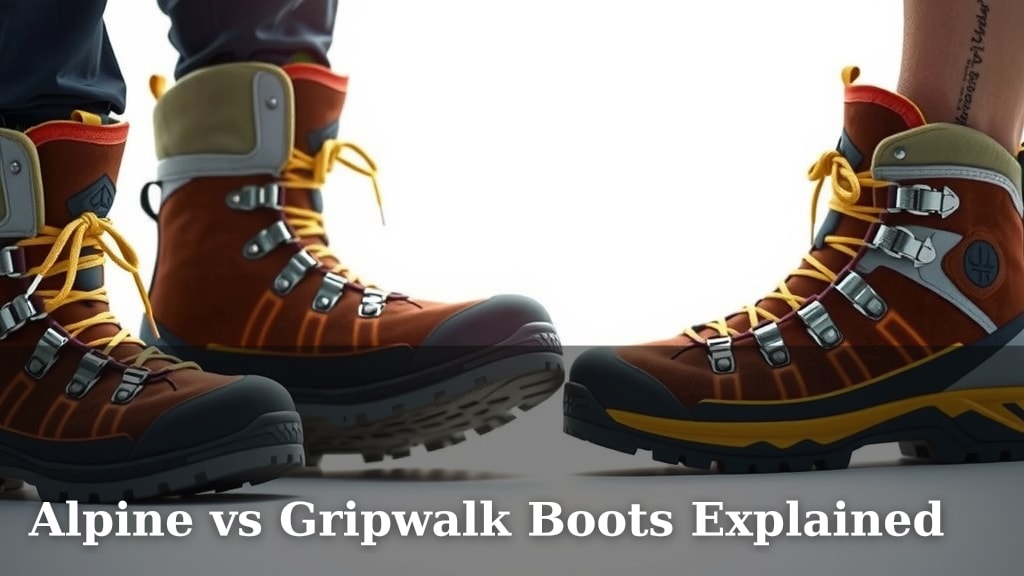
Alpine vs Gripwalk Boots Explained
When choosing between Alpine and Gripwalk boots, Gripwalk boots offer a superior walking experience. This is because Gripwalk soles are designed with a rocker shape and a more textured surface, making it easier and safer to walk around. Alpine boots have flatter, harder soles that are great for skiing but not so much for strolling.
Understanding your boot soles is important for both skiing performance and comfort off the slopes. While traditional Alpine soles are built for direct power transfer to your ski bindings, Gripwalk provides a more forgiving and natural feel underfoot when you’re not actively skiing. Many modern skis and bindings are compatible with both, but it’s wise to check for full compatibility.
- Gripwalk boots are easier and safer to walk in.
- Alpine boots have flatter soles for better skiing connection.
- Check your bindings for compatibility with Gripwalk.
- Gripwalk is generally better for casual walking around resorts.
- Alpine soles are designed for maximum ski binding grip.
Let’s break down the key differences between Alpine and Gripwalk boot soles so you can make the best choice for your skiing and walking needs.
Alpine vs. Gripwalk Boot Soles: What’s the Difference?
Choosing the right ski boot sole matters more than you might think. It affects how well your boots connect to your skis. It also impacts how comfortable you are when walking around the lodge. You’ve probably seen the terms “Alpine” and “Gripwalk” when shopping. They refer to the design of the rubber sole on your ski boots. Understanding their differences will help you pick the best pair for your ski days.
Think of it like choosing shoes for a hike versus a run. You want different features for different activities. Ski boots are no different. Your boot sole is the interface between you, your boot, and your binding. This small but mighty part of your boot plays a big role in your overall ski experience.
Understanding Traditional Alpine Boot Soles
For years, ski boots featured what we now call traditional Alpine soles. These soles are designed with one primary goal: maximum ski performance. They are typically flat and made of hard plastic. This flat surface creates a secure and direct connection with your ski bindings.
When you lean into a turn, that flat sole ensures all your energy transfers directly to the ski edge. It’s like a solid handshake between your boot and the binding. This is fantastic for precise control and responsiveness on the slopes. Skiers who prioritize performance and a powerful connection often favor this design.
The Benefits of Alpine Soles for Skiing
The rigidity and flatness of Alpine soles are key. They are engineered to be robust and resist deformation. This prevents any unwanted play or slippage when you’re carving. Many skiers find this direct feel provides excellent confidence. It allows for quick reactions and strong edge grip.
Alpine soles are also built to withstand the forces of skiing. They are durable and can handle rough treatment. They have passed rigorous safety standards for many years. Their design is proven and reliable for aggressive skiing styles.
The Downsides of Alpine Soles for Walking
However, that same rigid, flat design makes walking less than ideal. Imagine trying to walk in stiff, flat-soled dress shoes. It’s not the most natural movement. The sole of an Alpine boot has very little natural flex or curve.
This lack of rocker makes it harder to roll your foot forward. You end up kind of shuffling. The hard plastic offers little grip on slick surfaces like ice or wet lodge floors. It can feel awkward and even a bit dangerous, especially on inclines.
Introducing the Gripwalk System
Recognizing the need for better mobility off the slopes, the ski industry developed Gripwalk. This system is a departure from traditional Alpine soles. It focuses on improving the walking experience without sacrificing ski performance. Gripwalk soles are designed to be more user-friendly when you’re not strapped into your skis.
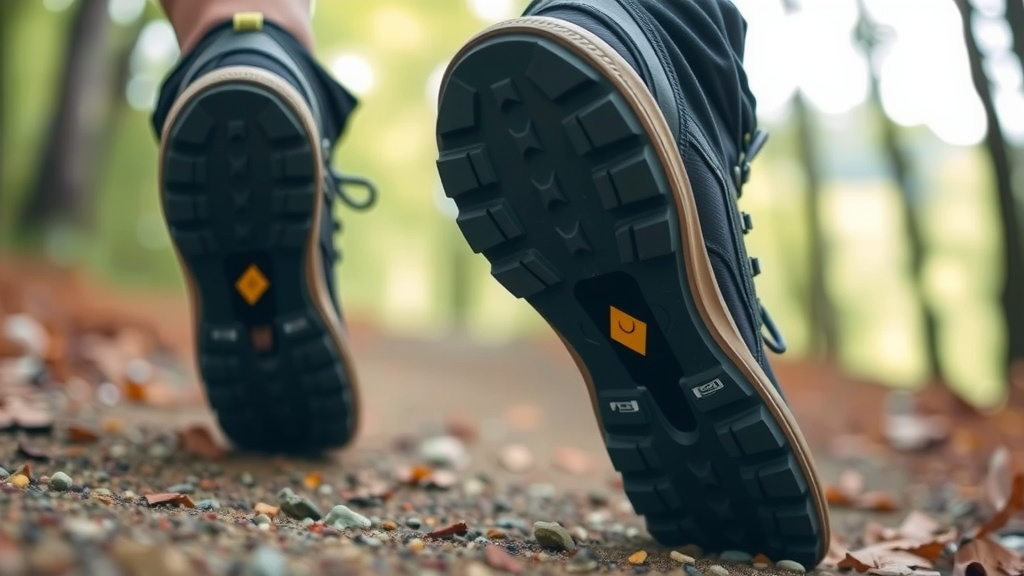
The main difference you’ll notice is the sole’s shape and texture. Gripwalk soles have a more rounded or “rockered” profile. They also feature a textured rubber surface. This combination makes a significant difference in how they feel underfoot when you walk.
Gripwalk Sole Design: Shape and Texture
The rocker shape of a Gripwalk sole is similar to that of a running shoe. It allows your foot to roll more naturally as you step. This makes walking feel more fluid and less strenuous. You don’t have to work as hard to move forward.
The textured rubber tread provides enhanced grip. Think of it like the tread on a tire. It bites into surfaces better than the smooth, hard plastic of Alpine soles. This improved traction is especially helpful on slippery surfaces like icy parking lots or wet lodge floors. Many experts say this design improves stability and reduces the risk of slips (Ski Journal).
Gripwalk Benefits for Skiers and Walkers
The primary benefit of Gripwalk is improved walking comfort and safety. They make navigating the resort much easier. You can walk from the parking lot to the lift, or to a restaurant, with much greater ease. This is a big win for anyone who spends time off their skis.
But don’t think Gripwalk is just for casual skiers. The design also aims to maintain excellent ski performance. While the sole might feel different, it’s engineered to still connect securely with compatible bindings. Many skiers find they get a good balance of both worlds.
Alpine vs. Gripwalk: A Direct Comparison
Let’s put these two sole types side-by-side to see how they stack up. It helps to visualize the key differences.
| Feature | Alpine Sole | Gripwalk Sole |
|---|---|---|
| Shape | Flat, rigid | Rockered (rounded), flexible |
| Surface | Hard plastic, smooth | Textured rubber |
| Walking Comfort | Poor | Good to excellent |
| Ski Performance | Excellent (direct power transfer) | Very good (secure connection with compatible bindings) |
| Traction (off-snow) | Limited | Enhanced |
| Compatibility | Standard Alpine Bindings | Gripwalk Bindings (and some adjustable Alpine Bindings) |
As you can see, Gripwalk offers a clear advantage for walking. Alpine is still the king of direct power transfer. The choice often comes down to your priorities.
Compatibility is Key: What You Need to Know
This is where things can get a little technical, but it’s really important. Not all bindings are designed to work with both types of soles. You need to make sure your boot soles and your bindings are compatible.
Understanding Binding Compatibility
Traditional Alpine bindings are designed to clamp down onto the flat, hard plastic of Alpine soles. They often have a specific toe and heel piece that mates with these soles.
Gripwalk soles, with their rounded shape and rubber texture, require a compatible binding. Many newer bindings are designed with this in mind. They often have adjustable toe height or a specific toe lip that can accommodate the Gripwalk profile. Some Alpine bindings can be adjusted to work with Gripwalk soles. Always check your binding’s specifications or consult a professional.
The Gripwalk Binding Requirement
You cannot simply put Gripwalk boots into any old Alpine binding and expect it to work safely. The binding needs to be specifically designed or adjusted for Gripwalk. The goal is to ensure the boot is held securely in place. A binding that is not compatible can lead to pre-release (your ski coming off unexpectedly) or failure to release when needed.
Many manufacturers now produce bindings that are either fully Gripwalk compatible or adjustable. If you’re buying new gear, it’s often designed with Gripwalk in mind. If you have older gear, you’ll need to do your homework. Ski shops are your best resource here.
Checking Your Gear for Compatibility
So, how do you check? Look at your bindings. They might have a sticker or markings indicating Gripwalk compatibility. Many manufacturers provide charts or manuals online. Your binding’s toe height might be adjustable. You might see a small lever or screw to adjust this.
The toe piece of the binding is critical. It needs to create the correct pressure and release characteristics. For Gripwalk, the binding’s toe piece typically has a slightly different shape or a mechanism to ensure proper contact. Always follow the manufacturer’s instructions or get help from an expert. Safety first!
Making Your Choice: Who Needs What?
Deciding between Alpine and Gripwalk soles really depends on your skiing habits and preferences. There’s no single “better” option for everyone. It’s about finding the right fit for your needs.
When Alpine Soles Might Still Be Your Go-To
If you are a racer, a performance-focused skier, or someone who demands the most direct connection to your skis, traditional Alpine soles might still be your preference. They offer that uncompromised power transfer and feel. If your ski resort has very few flat areas or you plan to keep your boots on your feet only for the short walk to the lift, Alpine might suffice.
When Gripwalk is the Smarter Option
For the vast majority of recreational skiers, Gripwalk offers a noticeable improvement in comfort and ease of movement. If you find yourself walking across parking lots, navigating lodge stairs, or just want a more natural feel when you’re not skiing, Gripwalk is likely the way to go. It also tends to offer better grip in varied conditions, which is a plus.
A Quick Checklist for Your Decision
To help you decide, ask yourself these quick questions:
- How much do you walk around in your ski boots?
- Do you want better traction on icy surfaces?
- What is the age and type of your current ski bindings?
- Are you buying new boots or bindings soon?
- Is comfort when walking around the resort a high priority?
- Do you need the absolute most direct power transfer for racing?
Answering these will point you in the right direction.
Conclusion
Choosing between Alpine and Gripwalk boots boils down to how you ski and how much you walk. Traditional Alpine soles excel at direct power transfer for performance skiers. Gripwalk soles, with their rounded shape and textured rubber, offer superior comfort and traction for walking around the resort. Most recreational skiers will find Gripwalk a significant upgrade for off-snow mobility without sacrificing essential ski performance. Before you buy, always check your bindings for compatibility. A quick visit to a ski shop can confirm if your current gear will work, ensuring a safe and enjoyable time on the mountain.
Frequently Asked Questions
Do I need new bindings to use Gripwalk boots?
Not always. Many newer bindings are designed to be Gripwalk compatible. Some older Alpine bindings can be adjusted to work with Gripwalk soles. You should always check your binding manufacturer’s specifications or ask a ski shop professional to be sure.
Can I still ski aggressively with Gripwalk soles?
Yes, you can. While Gripwalk soles offer better walking comfort, they are engineered to still provide a secure connection with compatible bindings. Many skiers find they get a great balance of off-snow ease and on-snow performance with Gripwalk.
What if my boots and bindings aren’t compatible?
Using incompatible boots and bindings can be unsafe. It can lead to skis pre-releasing unexpectedly or failing to release when needed. It’s essential to ensure your boot soles and bindings match or are adjusted correctly by a professional.
Are Gripwalk boots good for icy parking lots?
Absolutely. The textured rubber surface on Gripwalk soles provides much better traction than the smooth, hard plastic of traditional Alpine soles. This makes walking on slick surfaces like icy parking lots or wet lodge floors safer and easier.
Which type of sole is better for a beginner skier?
For beginner skiers, Gripwalk is often the better choice. It makes moving around the resort much more comfortable and safer, which can build confidence. The enhanced walking ability means less struggle getting from the car to the lift or lodge.