How Work Boots Should Fit: Comfort & Safety
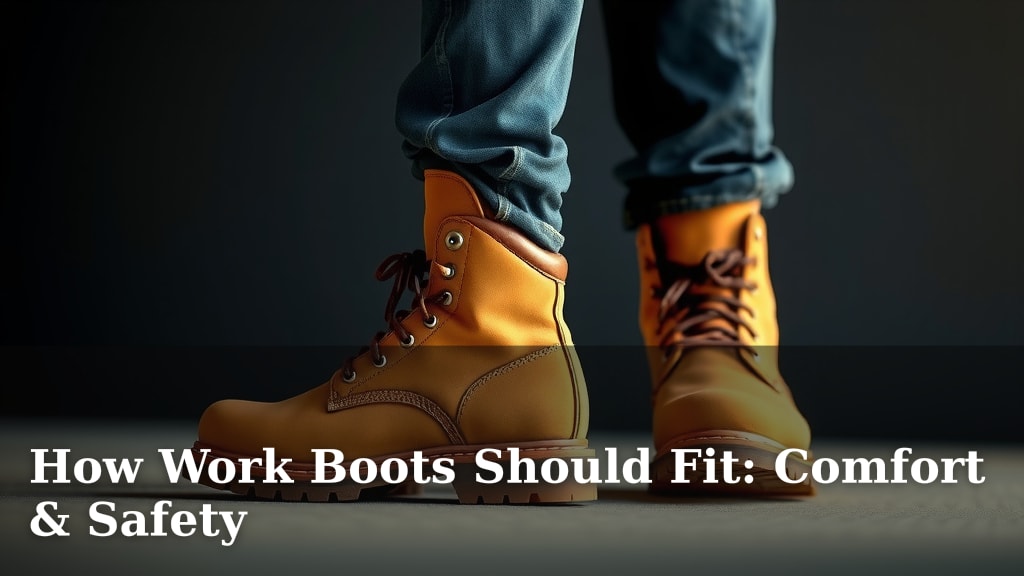
Your work boots should fit snugly but not too tight. You need about a thumb’s width of space between your longest toe and the front of the boot. This ensures your toes don’t bump the end when you walk or bend. A properly fitting boot means better comfort and improved safety on the job.
Finding the right fit is key for preventing foot fatigue and potential injuries. We found that many people overlook this step. Wearing ill-fitting work boots can lead to blisters, calluses, and even more serious foot problems over time. Your boots need to support your feet while allowing for natural movement. This means prioritizing both protection and proper feel.
- Leave about a thumb’s width of toe room.
- Boots should feel snug, not constricting.
- Walk around to check for rubbing or pressure points.
- Consider the socks you’ll wear with them.
Let’s walk through exactly how to get that perfect work boot fit.
“`htmlGetting the Right Fit for Your Work Boots: Comfort and Protection
Finding work boots that fit well is more than just about comfort. It’s about keeping you safe and preventing injuries on the job. Your feet are your foundation, and they deserve the best support possible. Let’s make sure your boots are working *with* you, not against you.
Understanding Your Work Boot Fit: The Key Elements
The All-Important Toe Room
Remember that thumb’s width we talked about? This is non-negotiable. Your toes need space to move. When you bend or go downstairs, your toes naturally shift forward. If there’s no room, they jam into the front. This can cause bruised toenails and discomfort. Many experts recommend about a half-inch to a full inch of space. That’s roughly your thumb’s width (US Dept. of Labor).
The Snug Midfoot and Heel
While your toes need room, the rest of your foot should feel secure. The boot should hug your instep and arch comfortably. There shouldn’t be any excessive sliding around when you walk. Your heel should stay put. A loose heel can lead to blisters and instability. We found that a good fit here prevents foot fatigue by providing necessary support.
Width Matters for All-Day Comfort
Boots that are too narrow squeeze your feet. This can lead to nerve pain and numbness over time. They might feel okay for a few minutes, but that pinch will get worse. On the flip side, boots that are too wide won’t offer enough support. Your foot will slide around inside, causing friction. Check if your foot feels spread naturally. Many podiatrists suggest looking for boots available in different widths if standard sizes don’t work.
Checking for Pressure Points and Rubbing
This is where you really test the fit. Walk around for a good 10-15 minutes in the store. Go up and down stairs if possible. Pay attention to any spots that feel like they’re rubbing or pinching. You shouldn’t feel any sharp edges or hot spots. These will only get worse when you’re working all day. We found that trying them on later in the day is best, as your feet swell.
Your Step-by-Step Guide to Trying on Work Boots
1. Wear the Right Socks
This is a simple step many overlook. Always try on work boots with the same type of socks you plan to wear them with. Thicker work socks take up more space. Wearing thin dress socks will give you a false sense of room. Using your work socks ensures an accurate fit. It’s like trying on a winter coat with a sweater already on.
2. Check the Length First
Slide your foot into the boot. You should be able to wiggle your toes freely. With the boot unlaced, slide your foot forward until your toes *just* touch the front. Now, try to slide a finger between your heel and the back of the boot. You should have about one finger’s width there. This confirms your toe room.
3. Lace Them Up Properly
Don’t just tie them loosely. Lace your boots up as you would for work. Make sure the laces are snug across your instep and ankle. This secures your foot inside the boot. It prevents heel slippage and provides stability. We found that proper lacing can make a noticeable difference in how a boot feels.
4. The All-Important Walk Test
Now, stand up and walk around. Shift your weight from side to side. Flex your foot. Do your heels lift excessively? Do your toes bang against the front when you walk? Are there any uncomfortable pressure points? Listen to your feet; they’ll tell you if something’s off. Some stores even have ramps or stairs for this purpose.
5. Consider the Boot’s Purpose
The “perfect fit” can also depend on your job. Are you standing all day on concrete? You’ll need extra cushioning. Do you work in wet conditions? Waterproofing is key. Do you need steel toes? Ensure they don’t press on your toes. The right fit needs to accommodate any protective features. Many safety guidelines recommend specific boot types based on workplace hazards (OSHA).
When to Seek a Different Size or Width
If you experience any of the following, it’s time to try a different size or width:
- Toes hitting the end of the boot.
- Heel lifting significantly with each step.
- Your foot feels squeezed or cramped.
- You feel pinching or rubbing anywhere.
- Numbness or tingling in your toes.
- Excessive slipping inside the boot.
| Problem | Solution |
|---|---|
| Toes too cramped | Try a longer size or a wider width. |
| Heel slips up and down | Try a smaller size or a narrower width. Check lacing. |
| Arch feels unsupported | Look for boots with better arch support or use insoles. |
| Too much pressure on the sides | Try a wider width. Some boots can be stretched. |
Conclusion
You’ve learned that a proper work boot fit is essential. It’s not just about comfort; it’s about your safety and foot health. Remember to check for that thumb’s width of toe room. Make sure your midfoot and heel feel snug without being tight. Always walk around and test for any discomfort. Your feet work hard, so give them the support and protection they deserve. Take your time when trying on boots, and don’t be afraid to try different sizes or widths until you find that perfect match.
Frequently Asked Questions
How do I know if my work boots are too tight?
If you feel pinching, numbness, or tingling in your toes after wearing them for a short time, they are likely too tight. Your toes should have room to wiggle freely. The sides of your feet should not feel squeezed or compressed.
Can I break in work boots that are slightly too small?
Generally, no. Trying to break in boots that are too small is a recipe for discomfort and potential foot problems. While some boots might stretch slightly, they won’t magically become a larger size. It’s best to find boots that fit correctly from the start.
How important is the arch support in work boots?
Arch support is very important for comfort and preventing fatigue, especially if you stand for long hours. Good arch support helps distribute your weight evenly and can prevent strain on your feet, ankles, and even your knees.
Should I try on work boots with my usual work socks?
Absolutely, yes. Always try on work boots with the socks you intend to wear them with daily. Work socks are often thicker than casual socks, and wearing the wrong socks can give you a false impression of how the boots will fit.
What if my feet feel tired at the end of the day, even with good boots?
Even with a proper fit, end-of-day fatigue can happen. Consider if you need better insoles or cushioning, especially if you’re on hard surfaces like concrete all day. Also, ensure your boots are suited for the specific demands of your job.
“`