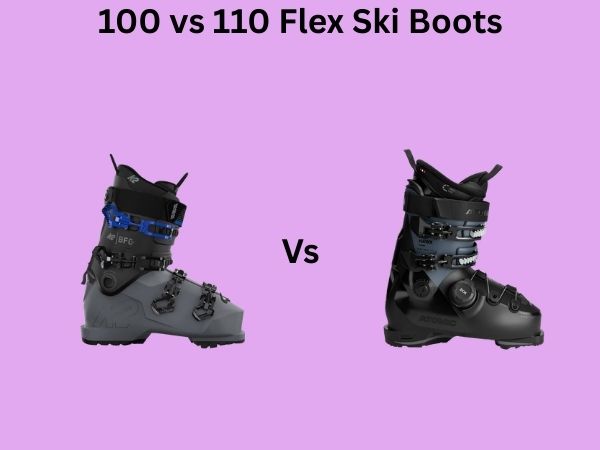
100 vs 110 Flex Ski Boots: Which Flex Is Right for Your Skill Level?
When you’re standing in a ski shop surrounded by rows of boots, all promising to transform your riding experience, the flex rating can feel like a mysterious number that everyone talks about but few truly understand. Should you go with a 100 flex or step up to a 110 flex? This question haunts many skiers, especially those caught between intermediate and advanced territory. Let me walk you through what this number actually means and help you figure out which one belongs on your feet.
Understanding Ski Boot Flex Ratings: The Basics
Think of flex rating like the spine of a book. Just as some books have rigid covers while others bend easily, ski boots come with different levels of stiffness. The number—whether it’s 100, 110, or anything else—represents how much force you need to apply before the boot bends forward at the ankle. It’s measured in specific units, but what matters to you is this: the higher the number, the stiffer the boot.
A 100 flex boot will feel more responsive to lighter input, while a 110 flex requires more aggressive movement and strength to engage. This isn’t just technical jargon; it directly impacts how your skis respond to your intentions on the mountain.
Why Does Flex Rating Matter?
Your boot’s flex is like the transmission in your car. A manual transmission gives you precise control but demands attention and skill, while an automatic makes things easier but gives you less direct input. Similarly, a stiffer boot demands more from you physically but rewards you with better edge control and responsiveness once you’ve got the strength and technique to work with it.
The 100 Flex Boot: Who Should Consider It?
A 100 flex ski boot sits in what I’d call the “sweet spot” territory for many recreational and advancing intermediate skiers. Let me explain what makes this flex rating attractive for so many people.
Ideal Skill Levels for 100 Flex
If you’re an intermediate skier who can comfortably navigate blue runs, control your speed, and execute consistent turns across varying terrain, a 100 flex might be your perfect match. These boots work wonderfully for skiers who:
- Still spend most of their time on groomed runs
- Are developing their edge control and carving technique
- Don’t yet have the leg strength of advanced skiers
- Want a responsive feel without overwhelming stiffness
- Enjoy recreational skiing more than aggressive line hunting
The Comfort Factor with 100 Flex
Here’s something I’ve noticed after talking to countless skiers: comfort matters more than people admit. A 100 flex boot typically feels less fatiguing during a full day on the mountain because it doesn’t demand constant muscular engagement. Your legs won’t be burning by lunchtime, and you’ll still have energy for afternoon runs. This makes them fantastic for weekend warriors who want to maximize their time having fun rather than fighting their equipment.
Responsiveness and Performance
Don’t mistake a 100 flex for being sluggish. These boots are quite responsive when you apply appropriate pressure. They forgive slightly imperfect technique while still rewarding good form with crisp edge engagement. It’s like having a patient teacher who responds to your efforts without demanding perfection.
The 110 Flex Boot: What Advanced Skiers Need to Know
Now let’s talk about the stiffer cousin in our comparison. A 110 flex boot is built for skiers who’ve moved beyond the intermediate plateau and are actively seeking more performance from their equipment.
Who Actually Needs a 110 Flex?
If you’re skiing black diamonds regularly, exploring off-piste terrain, or focused on carving tight, aggressive lines, a 110 flex starts making real sense. These boots serve skiers who:
- Have developed strong ankle and leg muscles from years of skiing
- Can execute tight radius turns with precision
- Want immediate response to their input without delay
- Ski varying snow conditions and terrain aggressively
- Need the support that stiffness provides at higher speeds
The Performance Edge
A 110 flex boot is like upgrading from a standard car to a sports car. Everything feels sharper. Your input translates more directly to ski movement. When you apply pressure to your outside ski while carving, the boot transmits that energy immediately without the slight give you’d experience in a softer boot. For advanced skiers, this directness is intoxicating.
Support and Stability Considerations
The increased stiffness of a 110 flex provides superior lateral support and stability. When you’re skiing at higher speeds or through challenging conditions, this extra rigidity prevents your ankle from rolling or collapsing in ways that could compromise your form or, worse, lead to injury. Think of it as having a stronger foundation beneath you.
Direct Comparison: 100 Flex vs. 110 Flex
Let’s put these two directly against each other across several important dimensions.
Ease of Use and Learning Curve
Here’s the honest truth: a 100 flex has a gentler learning curve. If you’re still developing your technique, a 110 flex might feel stubborn and unresponsive because your body isn’t yet strong enough to properly flex it. Conversely, once you have the strength and skill, a 100 flex might feel too forgiving, almost like it’s holding you back from reaching your potential.
Physical Demands
A 110 flex demands noticeably more from your legs throughout the day. Your quads, shins, and ankles work harder to engage the boot properly. If you don’t have the conditioning for this, you’ll tire faster and potentially develop poor habits as your fatigued legs can’t maintain proper technique.
Speed and Terrain Capability
Both boots handle groomed runs beautifully, but they diverge on challenging terrain. A 100 flex excels on blue runs and moderate black diamonds. A 110 flex really shows its strength on steeper terrain, in variable snow conditions, and at higher speeds where edge control becomes paramount.
Cost Considerations
Generally speaking, 110 flex boots cost slightly more than comparable 100 flex models because they use additional materials and manufacturing techniques to achieve that stiffness. If budget is a consideration, a 100 flex offers tremendous value for recreational and intermediate skiers.
Testing Your Readiness: Are You Ready for 110 Flex?
Rather than just telling you which to choose, let me give you some honest self-assessment questions.
The Strength Test
Can you stand on one leg in a squat position for 30 seconds without your knee caving inward or losing balance? Can you feel strong control in your ankles and lower legs? If these are easy for you, your legs have the foundation for a 110 flex. If you’re struggling, a 100 flex is probably the smarter choice right now.
The Terrain Test
Honestly assess where you actually ski. If you’re spending 80% of your time on blue runs and the occasional easy black, a 100 flex will serve you better and longer. If you’re constantly seeking steeper terrain and varied conditions, a 110 flex aligns with your actual skiing pattern.
The Technique Test
Do you consistently carve turns with your edges engaging the snow throughout the entire turn? Or do you still rely somewhat on skidding to control your speed? Confident carvers benefit from the responsiveness of a 110 flex. Those still developing this skill find a 100 flex more forgiving and encouraging.
Brand Variations and Flex Consistency
Here’s something important that often gets overlooked: not all 110 flex boots feel the same. A 110 from Salomon might feel noticeably different from a 110 from Atomic or Lange. Some brands run softer or stiffer than others, so don’t rely solely on the number. Always try boots on and, if possible, take them for a test run.
Understanding Brand-Specific Flex Personalities
Some manufacturers are known for softer flex patterns, meaning their 100 might feel like another brand’s 90. Others engineer stiffer boots, so their 100 might feel closer to a 110 elsewhere. This is why reading reviews specific to the boot model matters, and why talking to knowledgeable shop staff becomes valuable.
The Middle Ground: Finding Your Perfect Flex
What if you’re genuinely torn between these two? Let me offer some strategic thinking.
Upgrading Path Strategy
If you’re an intermediate skier who’s progressing quickly, getting a 100 flex now and planning to upgrade to 110 or higher in two years might be the smartest financial decision. Your boots won’t feel “wrong” during your development, and you’ll naturally transition to stiffer boots as your abilities improve.
Seasonal Considerations
Here’s a nuance many skiers miss: your choice might depend on when and where you ski. If you ski primarily spring conditions or variable resort snow, a 100 flex offers more forgiveness in those challenging conditions. If you chase winter powder and hard pack, a 110 flex’s edge control becomes more valuable.
Common Mistakes When Choosing Between These Flexes
Let me share some patterns I’ve noticed among skiers making this decision.
Mistake One: Choosing Based on Goals Rather Than Current Ability
Many skiers buy a 110 flex because they want to ski like an expert, but their current skills don’t match the equipment. This creates frustration and sometimes poor technique development. Boots should match where you are now, not where you hope to be next season.
Mistake Two: Ignoring the Fit for the Flex
A poorly fitting 100 flex boot is worse than a well-fitting 110 flex. A boot’s fit—measured in millimeters around your heel and forefoot—directly impacts how effectively you can flex it and control it. Don’t choose flex in isolation from fit.
Mistake Three: Underestimating Physical Conditioning
Some skiers jump to a 110 flex without considering whether their legs have the conditioning to use it properly. This often results in fatigue-related poor technique, not improved performance.
Real World Scenarios: Where Each Boot Excels
Let me paint some pictures of where each flex truly shines.
The 100 Flex Scenario
Imagine you’re a 35-year-old recreational skier who gets to the mountains four or five times per season. You enjoy the social aspect of skiing, you’re comfortable on most runs, but you’re not chasing performance records. You want boots that feel responsive enough to be fun, forgiving enough to accommodate a slightly imperfect technique, and comfortable enough that your feet don’t hurt after six hours of skiing. A 100 flex is your boot.
The 110 Flex Scenario
Now imagine a 28-year-old who skis 30+ days per season, enters occasional ski races, regularly skis terrain parks or off-piste areas, and views skiing as a serious pursuit rather than casual recreation. This skier has the leg strength, technical skills, and mountain experience to demand the responsiveness and support that a 110 flex provides. This is where that stiffer boot makes complete sense.
Making Your Final Decision
After considering all these factors, here’s my framework for deciding.
Choose 100 Flex If:
- You’re an intermediate skier still developing your technique
- You ski fewer than 20 days per season
- Your legs tire noticeably during a full day on the mountain
- You prefer comfort and forgiveness over maximum performance
- You primarily ski groomed terrain
Choose 110 Flex If:
- You’re an advanced skier with several years of experience
- You ski 25+ days per season
- Your legs feel strong and fresh even after long days
- You actively seek challenging terrain and varied conditions
- You value immediate response and edge control above comfort
Conclusion
The choice between a 100 and 110 flex ski boot isn’t about which number is better—it’s about which number matches who you are as a skier right now. A 100 flex boot is an excellent choice that serves the majority of recreational and intermediate skiers beautifully. It’s responsive, forgiving, and comfortable. A 110 flex boot unlocks greater performance for advanced skiers who have developed the strength and technique to utilize its potential.
Rather than viewing this as a binary choice, think of it as part of your skiing journey. Your perfect boot today might be a 100 flex, and in two years, you might genuinely outgrow it and move to a 110 flex. That progression is natural and healthy. What matters most is matching your current abilities with appropriate equipment, ensuring proper fit, and choosing boots that enhance your enjoyment of skiing.
Visit a reputable ski shop, try both options if possible, and be honest with yourself about your current skill level and physical conditioning. The right choice will feel intuitive once you’ve done your homework and tried the boots on your own feet.
Frequently Asked Questions
Can a beginner skier use a 110 flex boot?
Technically yes, but practically, no. A 110 flex boot requires significant leg strength and ankle control that beginners haven’t yet developed. Using one before you’re ready will make boots feel unresponsive, create frustration, and potentially lead to poor technique development. Beginners should start with boots in the 70-90 flex range and progress upward as skills improve.
Will a 100 flex boot limit my progression as a skier?
Not at all. Many excellent intermediate and even some advanced skiers prefer 100 flex boots. You’ll progress just fine with a 100 flex; you simply might feel like you’ve outgrown it if your skiing develops to an advanced level. At that point, upgrading makes sense. The boot doesn’t prevent progression; it just means you’ll eventually want to move on.
Does a stiffer boot mean I’ll ski faster?
Indirectly, yes. A stiffer boot provides better edge control and responsiveness, which allows confident skiers to make more precise line choices and maintain better control at higher speeds. However, a skier must have the skills to match the stiffness. A beginner in a 110 flex boot won’t ski faster or better—they’ll likely ski worse. Speed and safety come from skill, not boot stiffness alone.
What if my feet are small or large—does that affect which flex I should choose?
Foot size doesn’t directly affect which flex you should choose; your skiing ability and strength do. However, fit within your size is crucial. Extremely small or large feet sometimes have limited options in certain brands or models. Prioritize getting proper fit first, then choose the most appropriate flex within the options available to you in that size.