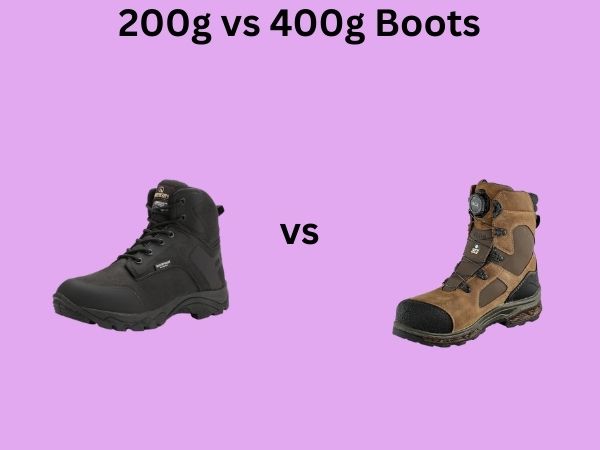
200g vs 400g Boots: Cold Weather Comparison Guide
When winter arrives and temperatures start dropping, one of the most important decisions you’ll make is choosing the right insulation level for your boots. You’ve probably noticed that boots come with different insulation ratings, and if you’re standing in a store staring at options labeled 200g and 400g, you might be wondering what the heck that actually means. Let me break this down for you in a way that makes sense.
The numbers you see on boot insulation tags refer to grams of insulation material per square meter. Think of it like this: if you’re buying a blanket, a thicker blanket keeps you warmer than a thin one, right? Same principle applies here. But here’s the thing—more insulation isn’t always better. It depends on where you live, how active you’ll be, and what you’re using the boots for.
Understanding Boot Insulation Ratings Explained
Before we dive into the specifics of 200g versus 400g, let’s talk about what insulation actually does. Boot insulation works by trapping air pockets, which slows down heat loss from your feet to the cold ground. It’s the same reason we wear puffy jackets in winter—those pockets of air are like tiny thermal barriers between you and the cold.
When manufacturers rate insulation in grams, they’re measuring the weight of insulation material added to the boot. A 200g boot has less insulation material than a 400g boot. That’s pretty straightforward. But the real question is: do you need all that extra insulation, or is it overkill?
The Science Behind Grams of Insulation
Here’s something most people don’t realize: the type of insulation matters just as much as the amount. Modern insulation materials like Thinsulate, PrimaLoft, and synthetic alternatives have improved dramatically over the years. A 200g boot made with premium insulation might actually keep your feet warmer than an older 400g boot with lower-quality insulation. It’s kind of like comparing a modern smartphone to an ancient computer—newer doesn’t mean more bulk, it means smarter engineering.
The insulation in boots is typically made from either down, synthetic materials, or a blend of both. Synthetic insulation tends to perform better in wet conditions because it retains heat even when damp, while down is incredibly lightweight and compressible but loses its effectiveness when wet.
200g Boots: When Light Insulation Makes Sense
A 200g insulated boot is your go-to option if you live in a milder climate or if you’re the type of person who stays active throughout the winter. Think of 200g boots as the Goldilocks option—not too heavy, not too light, just right for many situations.
Best Uses for 200g Insulation
If your winters rarely dip below 10-20 degrees Fahrenheit, a 200g boot will likely serve you well. These boots are perfect if you’re:
- Spending most of your time indoors with occasional outdoor trips
- Staying active outdoors—hiking, playing sports, or running errands
- Living in regions with moderate winters and occasional snow
- Wearing the boots for work that keeps you moving
- Commuting short distances in cold weather
Advantages of 200g Boots
There’s a real advantage to going with 200g insulation, and I’m not just talking about keeping your feet warm. These boots tend to be lighter on your feet, which means less fatigue after a long day. Your feet won’t feel like you’re wearing concrete blocks at the end of the day. Plus, lighter boots are generally more flexible, so you can move naturally without that stiff, heavy feeling.
Another huge benefit? Cost. A quality 200g boot is usually more affordable than its 400g counterpart. You’re getting solid cold-weather protection without paying premium prices. For someone who doesn’t live in an extreme climate, this is a smart financial move.
Limitations of 200g Insulation
Now, let’s be honest about the downsides. If you’re standing outside in below-zero temperatures without moving much, your feet will eventually get cold in a 200g boot. If you have poor circulation or naturally cold feet, 200g might not be enough. Think about your daily routine—if you’re spending hours outside in genuine cold without constant movement, you might be disappointed with 200g insulation.
400g Boots: Maximum Protection for Extreme Cold
Jump up to 400g insulation, and you’re entering serious cold-weather territory. These boots are designed for people who live where winter isn’t just a season—it’s a way of life. If you’re in the northern reaches of Canada, Alaska, or dealing with consistently frigid temperatures, 400g boots might be your answer.
When You Actually Need 400g Insulation
A 400g boot is the right choice if:
- Your winters regularly see temperatures below zero Fahrenheit
- You work outdoors for extended periods in cold weather
- You enjoy winter sports like snowshoeing, ice fishing, or backcountry skiing
- You have naturally cold feet or circulation issues
- You live in a place where winter lasts for months and is genuinely harsh
- You stand outside for long periods without significant movement
Advantages of 400g Insulation
The biggest advantage? Maximum warmth. There’s no beating around the bush here—more insulation keeps your feet warmer when it’s really cold. If you’re someone who struggles with cold feet, 400g insulation can be life-changing. You’ll have peace of mind knowing your feet are protected even during the worst weather days.
Additionally, 400g boots often come with other premium features. Because they’re designed for serious cold-weather use, manufacturers typically include reinforced construction, better waterproofing, and superior traction. You’re not just getting more insulation; you’re getting a more robust boot overall.
The Drawbacks of 400g Boots
Here’s where we need to talk reality: 400g boots are heavier. They’re bulkier. Your feet won’t feel as nimble, and if you’re someone who walks a lot or needs to move quickly, that extra weight becomes noticeable. It’s like wearing weighted training shoes all day—it works, but it’s tiring.
Another issue? Overkill in mild conditions. If you live somewhere with occasional winter weather but not extreme cold, a 400g boot might make your feet sweat, which defeats the purpose of insulation. Sweaty feet get cold feet—it’s a counterintuitive problem that people don’t always anticipate.
Cost is also a factor. A quality 400g boot is significantly more expensive than a 200g equivalent. You’re paying for protection you might not need if your climate doesn’t demand it.
Direct Comparison: 200g vs 400g Boots Side by Side
Temperature Range Effectiveness
Let’s talk about the actual temperature ranges where each boot excels. A 200g boot typically performs well down to about minus 5 or 10 degrees Fahrenheit. Below that, you start pushing the limits. A 400g boot comfortably handles temperatures down to minus 20 to minus 40 degrees Fahrenheit, depending on activity level and individual tolerance.
But here’s the nuance: if you’re moving around actively, a 200g boot can handle colder temperatures than if you’re standing still. The movement generates body heat that helps keep your feet warm. This is why a construction worker in a 200g boot might be fine, while a parking lot security guard in the same boot struggles.
Weight and Comfort Comparison
A typical 200g boot weighs around 1.5 to 2 pounds per boot. A 400g boot can weigh 2.5 to 3.5 pounds per boot. That might not sound like much, but multiply that by two feet and the weight difference becomes real. Over the course of a full day, that extra weight accumulates in leg and foot fatigue.
Comfort is subjective, but I’ll tell you this: most people find 200g boots feel more natural to walk in. They flex better, feel lighter on your feet, and allow for more natural foot movement. If comfort is a priority, 200g wins this round.
Breathability and Moisture Management
Thicker insulation means less breathability. A 400g boot is more insulating but also more likely to trap moisture if you’re generating heat from activity. Your feet produce moisture, and if it can’t escape, you end up with damp, cold feet. A 200g boot, being thinner, allows for slightly better moisture escape, which can actually be an advantage in moderate-activity situations.
That said, both insulation levels can feature moisture-wicking liners, so this isn’t always a decisive factor. It depends on the specific boot’s construction.
Price Comparison
Let’s talk money. A quality 200g insulated boot from a reputable brand typically costs between $120 and $250. A comparable 400g boot starts around $200 and can easily exceed $400 for premium brands. That’s a significant difference that matters to most people’s budgets.
The question becomes: are you paying for insulation you’ll actually use, or are you overspending for insurance against cold that rarely arrives?
Lifestyle Factors That Determine Your Choice
Climate and Geography Matter Most
Your location is the single biggest factor in this decision. Someone in Portland, Oregon should think differently than someone in Minneapolis, Minnesota. If you’re in the Pacific Northwest with mild, damp winters, 200g is probably your sweet spot. If you’re in the Upper Midwest or Northern Plains, 400g might be non-negotiable.
Check your area’s average winter temperatures. If your coldest days rarely fall below 15 degrees, 200g is plenty. If you’re regularly dealing with temperatures below minus 10, consider 400g.
Your Activity Level and Lifestyle
Are you the type who’s constantly moving, or do you spend a lot of time stationary? People who work active jobs, exercise outdoors, or are generally always on the go can get away with 200g. People with sedentary winter routines—think security guards, postal workers in cold climates, or hunters sitting in tree stands—benefit from 400g insulation.
Personal Cold Sensitivity
Here’s something nobody talks about enough: cold sensitivity is real and varies from person to person. Some people have naturally warm feet, while others have poor circulation and get cold easily. If you’re in the latter category, 400g insulation might be necessary for your peace of mind and actual foot health.
Think back to previous winters. Did your feet get cold in your old boots? If yes, go with 400g. Did your feet stay warm? Then 200g is probably fine.
Special Considerations for Boot Selection
Waterproofing and Insulation Work Together
Here’s something that catches people off guard: insulation only works if your feet stay dry. If water soaks through to the insulation material, it loses its thermal properties dramatically. This is why you need both good insulation AND good waterproofing.
When choosing between 200g and 400g, don’t forget to evaluate the waterproofing technology. A 200g boot with excellent waterproofing might outperform a 400g boot with mediocre water resistance.
Sock Choices Affect Insulation Needs
I’ve saved this for later because it’s a game-changer that people overlook. The socks you wear matter enormously. Thick wool or merino wool socks provide significant insulation themselves. If you’re wearing high-quality insulating socks, you can potentially drop down from 400g to 200g boots, or even wear lighter boots than you thought possible.
Cotton socks? Forget it. They absorb moisture and lose all insulating properties. Go with wool or synthetic moisture-wicking socks, and you’ll be amazed at the difference.
Boot Fit and Insulation Interaction
A boot that fits too tightly restricts blood flow to your feet, making them colder regardless of insulation level. Insulation works best when there’s proper fit with a little room for thick socks. If you’re forced to size up because of insulation thickness, that’s a problem. This is another point in 200g’s favor for people with smaller feet or those who wear narrow sizes—they fit better without excessive bulk.
Seasonal Transitions and Boot Versatility
The Case for Having Multiple Boot Options
Here’s a thought: what if you didn’t have to choose just one? If your budget allows, having both 200g and 400g boots gives you maximum flexibility. Wear the 200g boots during milder cold spells and transitional seasons. Break out the 400g boots when genuine winter arrives.
This approach means neither pair gets overused, they both last longer, and you’re always appropriately outfitted for the conditions. It’s an investment, but for people in variable climates, it makes sense.
Longevity and Durability of Each Type
Interestingly, lighter boots often last longer than heavier ones because they experience less cumulative stress and joint wear. Your legs, knees, and feet appreciate not carrying extra weight all season. That said, 400g boots, being built for more extreme use, often feature more durable construction overall.
For longevity, it comes down to quality of manufacture rather than insulation level. A well-made 200g boot will outlast a poorly made 400g boot.
Making Your Final Decision
The Decision-Making Framework
Let me give you a simple framework for deciding:
- If average winter temps stay above 10°F and you’re moderately active: Choose 200g
- If average winter temps drop below 0°F or you’re mostly stationary outdoors: Choose 400g
- If you’re somewhere in between or unsure: Start with 200g and upgrade if needed
- If you have naturally cold feet or circulation issues: Lean toward 400g
- If comfort and light weight are priorities and your climate allows: Choose 200g
One more thing: pay attention to customer reviews specific to your climate. Someone in Minnesota who reviews a 200g boot as “barely adequate” is giving you valuable information if you live in Minnesota. Similarly, a California resident saying their 400g boots are “overkill” tells you something too.
Conclusion
The choice between 200g and 400g boots isn’t really about which is better—it’s about which is right for your specific situation. A 200g boot is excellent for moderate climates, active people, and those prioritizing comfort and weight. A 400g boot is the heavy-duty option for genuine extreme cold and people with naturally cold feet.
Think about your climate, your lifestyle, your activity level, and your personal cold tolerance. Consider the insulation quality, not just the quantity. Remember that proper socks, good waterproofing, and correct fit are equally important as insulation level.
Most people reading this will probably be fine with 200g boots. They’re practical, comfortable, and adequate for the majority of winter conditions. But if you live where winter is genuinely brutal and you spend extended time in the cold, 400g insulation is worth the investment.
Whatever you choose, don’t make the decision based purely on numbers. Get your hands on both types if possible,