How Are Hunter Boots Supposed to Fit? The Complete Guide to Getting Your Perfect Rain Boot Fit
Let me be honest with you – I’ve made some pretty embarrassing boot-fitting mistakes in my life. I’ve walked around in Hunter boots that were so loose my feet practically floated inside them, and I’ve also squeezed my feet into a size that left me hobbling after just ten minutes. The difference between a blissful rain day and a miserable one often comes down to one simple thing: proper fit.
If you’re thinking about investing in a pair of Hunter boots or you’ve already got a pair sitting in your closet that doesn’t feel quite right, you’re in the right place. I’m going to walk you through everything you need to know about getting Hunter boots to fit just the way they should.
Understanding Hunter Boots: More Than Just Rainwear
Before we dive into the nitty-gritty of fit, let’s talk about what makes Hunter boots special. These aren’t just any rubber boots you pick up at a discount store. Hunter has been crafting quality footwear since 1856, and their boots have become something of a status symbol among boot enthusiasts. But here’s the thing – they’re only going to be a status symbol if they actually fit your feet comfortably.
The Heritage and Quality Factor
Hunter boots are made from vulcanized rubber, which gives them that distinctive look and remarkable durability. This material doesn’t stretch the way canvas or leather does, which is exactly why understanding fit is so crucial. You can’t just buy them in the hopes they’ll “break in” like traditional shoes. Well, they do relax slightly, but not dramatically. That’s why getting the size right from the start matters tremendously.
The Basic Hunter Boot Sizing Guide
Here’s what I’ve learned through trial and error: Hunter boots typically fit true to size, but there’s a catch. The way they fit depends on a few factors that most people overlook entirely.
Starting with Your Regular Shoe Size
Most people assume they should order their Hunter boots in the same size they wear in regular shoes. In many cases, this assumption is absolutely correct. If you wear a size 8 in everyday sneakers, there’s a good chance you’ll wear an 8 in Hunter boots too. But here’s where it gets interesting – it’s not quite that simple.
The Width Consideration
Hunter boots come in a standard width, and they’re actually a bit on the narrower side compared to some other boot brands. If you have wider feet, this is crucial information. You might find that you need to go up a half size or even a full size to accommodate the extra width comfortably. Think of it like trying to fit your hand into a glove – sometimes the length is right, but the overall girth needs adjustment.
The Heel-to-Toe Length Factor
When you’re figuring out your Hunter boot size, you want to measure the space between your heel and the longest part of your foot. Ideally, you should have about a quarter to a half-inch of space – roughly the width of your pinky finger – between the end of your longest toe and the interior of the boot. This gives you room to wiggle without your toes pressing against the rubber when you walk.
Testing the Fit: What to Look For When Trying Them On
If you’re lucky enough to try on Hunter boots in person, you’ll want to pay attention to several specific sensations and observations.
The Heel Fit – Your Anchor Point
Start by focusing on your heel. This is the most important part of boot fit, in my opinion. Your heel should feel snug but not painfully tight. When you walk, your heel shouldn’t slip up and down inside the boot more than about a quarter inch. If it does, the boot is too loose. If your heel can barely move at all, the boot might be slightly too tight.
Here’s a trick I use: walk around in the boots and pay attention to whether you feel your heel lifting with each step. That lifting sensation is a red flag that the boot is too big.
The Sock Factor
Remember that you’ll likely be wearing socks with your Hunter boots, especially on wet days. I always recommend trying them on with the type of socks you’ll actually wear. Thick wool socks will fill more space than thin cotton socks, so account for that when you’re testing the fit. I typically wear medium-weight socks with my Hunters, and I tried them on with those same socks.
The Midfoot and Arch Area
Moving up from the heel, check how the boot feels around your midfoot. This area should hug your foot without creating pressure points. Walk around for at least a few minutes – not just a quick stroll across the store. Real comfort only reveals itself after some genuine walking time.
Pay special attention to the sides of your foot and your arch. Are there any spots where the rubber is pressing uncomfortably? Is your arch feeling supported, or does it feel like your foot is rolling inward or outward? Ideally, the boot should feel like a gentle embrace, not a tight squeeze.
The Calf Fit – Often Overlooked
Here’s where a lot of people make mistakes. The calf area of Hunter boots should fit comfortably around your leg without being so tight that it restricts circulation or cuts off your leg. You should be able to slide your finger inside the boot around your calf area.
That said, Hunter boots do have a slightly fitted calf, and this is actually intentional. It helps keep the boot from flopping around and provides a more polished appearance. If you have particularly muscular or larger calves, you might find that regular Hunter boots feel tight. In this case, you might want to look into their wide-calf options if available, or consider alternative brands.
The Width Dilemma: Are Hunter Boots Too Narrow?
I’d be doing you a disservice if I didn’t address this head-on. Hunter boots have a reputation for running narrow, and that reputation is earned. This doesn’t mean they’re uncomfortable – it just means they’re designed with a specific aesthetic in mind.
For People with Average to Narrow Feet
If your feet fall into this category, you’re probably going to have a smooth experience with Hunter boots. They’ll likely feel comfortable right out of the box, and you shouldn’t have any major fit issues.
For People with Wider Feet
If you have wider feet, here’s my honest assessment: you have options. You can go up a half size to a full size larger, which will give you more room in the width. However, this might create excess length, which brings us back to that heel-slipping problem I mentioned earlier.
Alternatively, you could look into Hunter’s “Heritage” line, which tends to have a slightly roomier fit. Or you could consider other brands that are known for accommodating wider feet. There’s no shame in admitting that a particular brand might not be the perfect fit for your body – everyone’s feet are different.
Hunter Boot Styles and How They Fit Differently
Not all Hunter boots are created equal when it comes to fit. The brand offers several different styles, and each one has its own personality.
The Original Tall Boot
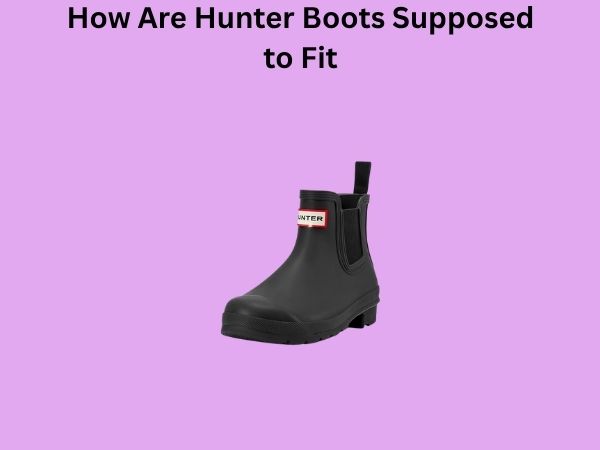
This is the iconic Hunter boot that most people picture. It’s a classic, but it does tend to run quite narrow. If this is your target style, make sure you’re realistic about your foot width before committing to a purchase.
The Original Short Boot
The shorter version of the classic Hunter boot can actually feel slightly roomier in the foot area compared to the tall version. This is probably because there’s less overall boot mass wrapping around your foot. If you’re on the fence about fit, trying the short version might be worth your while.
The Refined and Heritage Collections
These lines were designed with a broader audience in mind and generally offer a more spacious fit. They’re still recognizably Hunter boots, but they’re a bit more forgiving.
Breaking In Your Hunter Boots: What Actually Happens
Here’s something that surprised me when I first owned Hunter boots: they do change slightly after you wear them, but not in the dramatic way that leather shoes break in.
The First Few Wears
During the first handful of times you wear your Hunters, the rubber will relax ever so slightly. This usually results in about a quarter-inch of additional comfort, give or take. It’s not transformative, but it’s noticeable. The heel area tends to soften up a bit, and the overall boot becomes slightly more flexible.
The Stabilization Period
After about two to three weeks of regular wear, your Hunter boots will have settled into their final comfortable state. This is when you’ll really know if you’ve got the right fit. If they’re still causing discomfort at this point, they probably weren’t the right size to begin with.
The Long-Term Reality
Hunter boots can last for years and years with proper care. They don’t really break down the way fabric shoes do, so that initial fit is going to matter for the entire lifespan of the boot. This is why investing time in getting the size right from the start pays dividends.
Common Fit Mistakes People Make
Let me share some of the most common errors I’ve seen people make when shopping for Hunter boots.
Buying Too Large “Just in Case”
This is perhaps the most common mistake. People think that extra room will be more comfortable, and they end up with boots that feel sloppy. Remember that heel-slipping issue? This is usually the culprit. Extra room doesn’t equal better comfort – it equals a worse walking experience.
Not Considering Sock Thickness
I mentioned this earlier, but it bears repeating. The difference between thin socks and thick thermal socks is genuinely significant when you’re wearing rubber boots. Make sure you’re testing with the socks you’ll actually wear.
Ignoring the Calf Fit
Some people focus entirely on the foot fit and ignore how the boot feels around their calf. Then they get home and realize the calf is so tight it’s uncomfortable for extended wear. Don’t make this mistake.
Not Giving the Boots a Real Test
Walking five steps around a store isn’t a real test. If you’re ordering online or if a store allows it, spend at least ten minutes walking in the boots. Better yet, spend a full day in them if possible.
Online Shopping for Hunter Boots: Managing the Distance
Not everyone has access to a store that carries Hunter boots, so online shopping is inevitable for some people. Here’s how to maximize your chances of getting the right fit when you can’t try them on in person.
Measure Your Feet Properly
Get your feet measured using a proper measuring tool. Most shoe stores offer this service for free, or you can buy an inexpensive foot measuring device online. Know your exact measurements in both inches and your standard shoe size.
Read Customer Reviews Carefully
Pay attention to what other customers are saying about fit. Look for patterns in the comments. If dozens of people are saying that a particular style runs small, that’s valuable information. If people are split on whether a style fits true to size, that might indicate variable fit across different sizes or styles.
Check the Return Policy
Before you buy, make absolutely sure you understand the return policy. You want to be able to try the boots on at home, wear them around for a bit, and return them if they don’t work out. A good return window – ideally 30 days or more – gives you the flexibility to test them properly.
When Hunter Boots Simply Aren’t Your Fit
Here’s something I wish someone had told me earlier: it’s okay if Hunter boots aren’t right for you. They’re a fantastic product, but they’re not the right product for every single foot.
Signs That You Might Need a Different Brand
If you have very wide feet and Hunter’s sizing doesn’t work even after trying different sizes, it’s time to look elsewhere. If you have particularly sensitive skin that reacts to rubber, another material might be better. If you absolutely can’t handle a narrow calf fit, there are other options out there.
Exploring Alternative Brands
There are other quality rain boot brands out there that might accommodate your feet better. Brands like Le Chameau, Barbour, and others offer excellent rain boots with different fit profiles. Don’t force yourself into boots that don’t fit just because of the brand name.
Caring for Your Properly-Fitted Hunter Boots
Once you’ve nailed the fit, you’ll want to keep your boots in great condition.
Cleaning and Maintenance
Hunter boots are surprisingly easy to care for. A simple rinse with clean water and a dry with a towel will handle most dirt and mud. For tougher stains, you can use mild soap and water. Let them air dry away from direct heat sources.
Storage Considerations
Store your Hunter boots in a cool, dry place. Using boot shapers or stuffing them with newspaper will help them maintain their shape during storage months when you’re not wearing them.
Final Fit Checklist Before You Commit
Before you finalize your purchase, run through this quick checklist:
- Does your heel feel snug without slipping?
- Is there about a quarter-inch of space between your longest toe and the boot end?
- Does the midfoot feel supportive without pressure points?
- Can you comfortably slide a finger around your calf?
- Have you walked in them for at least 10 minutes?
- Are you wearing the socks you’ll actually use?
- Do your feet feel good, or are you hoping they’ll feel good after breaking in?
If you can answer “yes” to most of these questions, you’ve probably found your fit.
Conclusion
Getting Hunter boots to fit properly is actually pretty straightforward once you know what to look for. The key is understanding that these boots run true to size but narrow in width, that the heel and midfoot support are crucial, and that proper fit from the start is far more important than hoping they’ll break in.
Whether you’re a first-time Hunter boot buyer or you’re looking to get a replacement pair, remember that the right fit will make rainy days genuinely enjoyable. Your feet will thank you, your boots will last longer, and you’ll actually want to wear them instead of resenting the experience.
Take your time with the process, don’t hesitate to try multiple sizes, and trust your own comfort assessment above everything else. Your feet are unique, and your boots should reflect that.
Frequently Asked Questions
Do Hunter boots stretch in width over time?
Hunter boots will relax and become slightly more comfortable during the first few weeks of wear, but they don’t stretch in width the way leather shoes do. The rubber material has some flexibility, but you shouldn’t expect dramatic stretching. If the width is uncomfortably tight from day one, going up a size is probably your best option rather than waiting for them to stretch.
Should Hunter boots feel tight at first?
Hunter boots should feel snug but not tight when you first try them on. If they feel genuinely painful or restrict