8 Eye vs 11 Eye Boots: Lace Height and Support Explained
When you’re shopping for a new pair of boots, you’ve probably noticed numbers like “8 eye” or “11 eye” plastered all over product descriptions. But what do these numbers actually mean? If you’ve stood in front of a boot display scratching your head, wondering whether that extra lacing will make a real difference to your comfort and support, you’re not alone. Let me break down everything you need to know about these two popular boot styles so you can make an informed decision that actually suits your lifestyle.
Understanding Boot Lacing: The Basics
Before we dive into the specifics of 8 eye and 11 eye boots, let’s talk about what “eye” actually means. In boot terminology, an eye is simply a hole or grommet that you thread your laces through. Think of it like the eyelets on a dress shirt—they’re small metal rings that help distribute the tension of your laces evenly across the boot shaft. The number of eyes directly corresponds to how many lacing points you have available, which influences how you can customize the fit and tightness of your boots.
What Are 8 Eye Boots?
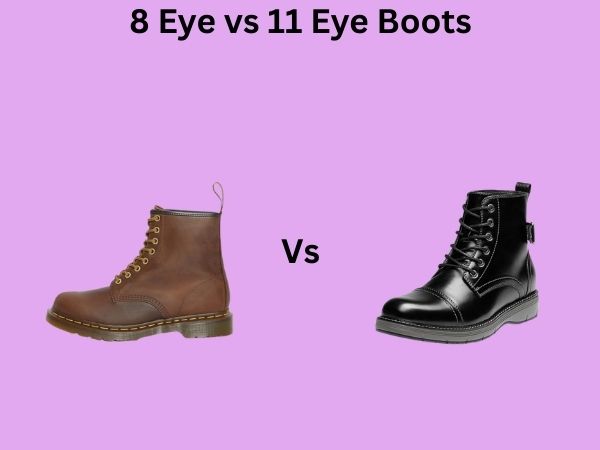
An 8 eye boot features eight lacing points running up the front of the boot. This typically means the boot shaft reaches somewhere around mid-calf height, making them incredibly popular for everyday wear. When you lace up an 8 eye boot, you’re securing the footbed and lower ankle area with moderate coverage.
The Height Advantage of 8 Eye Boots
I’d say 8 eye boots strike a beautiful balance between practicality and style. They’re high enough to provide meaningful ankle support without feeling like you’re wearing combat gear to grab coffee. Most 8 eye boots sit at approximately 8 to 9 inches from the heel, giving you coverage that extends well past your ankle joint but stops before reaching the lower calf.
Comfort and Wearability
Here’s what I love about 8 eye boots: they’re easier to get on and off compared to their taller cousins. You don’t need to loosen them as much to slip your foot inside, which means less time fumbling around. This makes them fantastic if you’re constantly taking your boots on and off throughout the day. Whether you’re transitioning between work and gym sessions or simply kicking off your boots at home, the process feels less involved.
Support Characteristics
Now, don’t mistake easier on-and-off for weak support. Eight lacing points still provide solid ankle stability. The key difference is that you’re concentrating your support over a shorter distance, which can actually be beneficial if you have a narrower foot or prefer a more snug feel without excessive compression.
What Are 11 Eye Boots?
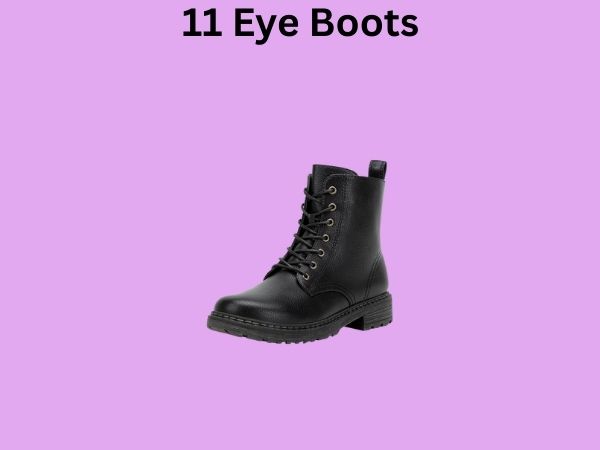
Stepping up to 11 eye boots means you’re looking at an additional three lacing points. These boots typically tower at around 11 to 12 inches from the heel, extending well into calf territory. They’re the boots you see in military and law enforcement contexts, and for good reason.
Extended Height and Coverage
The substantial height of 11 eye boots is their defining characteristic. This extra coverage provides protection and support that extends significantly higher up your leg. If you’ve ever experienced instability in your calf or shin area, you’ll immediately appreciate how this height creates a more comprehensive support system.
Maximum Lacing Control
With eleven lacing points, you gain extraordinary control over how tight you want different sections of the boot. You could potentially lace the lower portion firmly for foot security while keeping the upper calf area slightly looser for comfort. This granular control is something many people absolutely love because everyone’s leg shape is different.
The Commitment Factor
I’m going to be honest with you—11 eye boots demand more of a commitment. They’re not the boots you kick off carelessly. They require proper unlacing and relacing, which takes time. But if you’re someone who values durability and doesn’t mind the extra steps involved in putting them on, this is hardly a drawback.
Key Differences Between 8 and 11 Eye Boots
Height Comparison
The most obvious difference is height. Let’s put it this way: 8 eye boots are your everyday companion, while 11 eye boots are your serious protector. The roughly three-inch difference might sound minimal, but when you’re wearing them, that extra height becomes quite noticeable.
Lacing Flexibility
With more eyelets, 11 eye boots offer better customization. You’re not just tightening a boot—you’re fine-tuning a support system. Eight eye boots provide sufficient control for most people, but they leave less room for personalization if you have specific fit preferences.
Weight and Bulkiness
Generally speaking, 11 eye boots are heavier and chunkier than 8 eye boots. The additional material and extended height naturally translate to more weight on your feet. If you’re concerned about fatigue during long days, this is worth considering.
Versatility in Fashion
Eight eye boots integrate more seamlessly into casual wardrobes. You can pair them with jeans, cargos, or casual dresses without them appearing overly utilitarian. Eleven eye boots, while still fashionable, tend to make a bolder statement and work better with specific styles like tactical wear or workwear aesthetics.
Price Range
Due to their additional material and construction complexity, 11 eye boots are typically more expensive than comparable 8 eye models. If you’re budget-conscious, this might be a meaningful factor in your decision.
Support Analysis: Which Offers Better Stability?
This is where things get interesting because the answer depends entirely on your needs. Neither is objectively “better”—they’re better for different situations.
Ankle Support Comparison
Both styles provide excellent ankle support through their lacing systems. The difference is subtle but real. Eight eye boots lock in your ankle with intensity, while 11 eye boots distribute that locking force over a larger area, including your lower calf. If you have weak ankles, 11 eye boots might provide the comprehensive support that eases your concerns.
Calf Compression
This is where 11 eye boots truly shine. The extended height allows for calf support that 8 eye boots simply cannot provide. If you’re someone who experiences calf fatigue, shin splints, or instability in your lower leg, the additional lacing points in an 11 eye boot could be genuinely transformative for your comfort.
Weight Distribution
Eight eye boots concentrate support in a smaller zone, which can create pressure points for some wearers. Eleven eye boots distribute the tightness more evenly along the entire leg-boot interface, potentially reducing hotspots and improving overall comfort during extended wear.
Use Cases: When to Choose Each Style
Choose 8 Eye Boots If You:
- Prioritize ease of putting on and removing your boots throughout the day
- Want a more versatile boot that works with diverse outfits
- Prefer lighter footwear for extended walking or standing
- Have average to narrow feet that don’t need maximum coverage
- Work in environments where you don’t face extreme support demands
- Are new to wearing work boots and want to ease into them gradually
Choose 11 Eye Boots If You:
- Work in physically demanding jobs requiring maximum support
- Experience leg or ankle instability that needs comprehensive support
- Spend eight or more hours on your feet daily
- Want protection in harsh work environments
- Have specific calf support needs or concerns
- Don’t mind the additional time required for lacing and unlacing
Breaking In: Expectations for Each Style
The 8 Eye Boot Break-In Period
Most people find that 8 eye boots break in relatively quickly. Because the coverage is less extensive, there’s less material to soften up. You might experience some minor discomfort around the ankle area for the first few wears, but typically this resolves within a week or two of regular use.
The 11 Eye Boot Break-In Period
Patience is essential with 11 eye boots. The extended calf area requires more time to mold to your leg shape. I’d recommend expecting a break-in period of two to four weeks before these boots feel genuinely comfortable. However, once they’re broken in, they feel like custom-fitted armor for your feet and legs.
Material Considerations
The lacing system isn’t the only factor affecting your comfort and support. The material of your boots matters tremendously. Leather behaves differently from synthetic materials, and understanding these differences helps you make better choices regardless of whether you’re shopping for 8 or 11 eye boots.
Leather Boots
Genuine leather gradually molds to your foot and leg, improving fit over time. Leather boots with more eyelets give you better control during this molding process because you can adjust tightness as the material softens.
Synthetic and Hybrid Materials
Modern synthetic materials don’t mold as dramatically as leather, which actually benefits 8 eye boots. Because they won’t shift as much, the support remains consistent without requiring frequent readjustments. However, 11 eye boots in synthetic materials still provide excellent support without the extended break-in period.
Maintenance and Longevity
Caring for 8 Eye Boots
With fewer lacing points, these boots are slightly easier to clean and maintain. You’re managing less material overall, which means less upkeep. Laces are easier to replace when needed, and the boot shaft cleans up more quickly.
Caring for 11 Eye Boots
The extended height means more surface area to clean and protect. However, this additional material also means greater overall durability. When properly maintained, 11 eye boots often outlast their shorter counterparts because they’re built from the ground up for extended wear in demanding conditions.
Real-World Performance Testing
Let me share some practical insights based on how these boots actually perform in the field. I’ve had the opportunity to observe people wearing both styles over extended periods, and certain patterns emerge consistently.
Construction Workers
In construction environments, I’ve noticed that workers who were on their feet constantly gravitated toward 11 eye boots once they got past the initial break-in period. The additional calf support genuinely reduced fatigue by day’s end.
Casual Wearers
People wearing boots for style or occasional outdoor activities consistently preferred 8 eye boots. The lower profile fit better with their existing wardrobes and didn’t require the daily commitment of extensive lacing.
Outdoor Enthusiasts
Hikers and outdoor adventurers showed mixed preferences, but those tackling challenging terrain favored 11 eye boots for the comprehensive ankle and calf support they provided on uneven ground.
Making Your Decision: A Final Framework
Here’s how I’d approach choosing between these two styles:
Step One: Assess Your Needs
Ask yourself honestly: How much support do I actually need? Are you dealing with existing foot or leg issues, or are you primarily concerned with prevention?
Step Two: Consider Your Lifestyle
How much time will you spend in these boots daily? Are you removing them frequently or wearing them all day? Your usage pattern significantly influences which style makes sense.
Step Three: Evaluate Your Fit Preferences
Do you prefer snug, controlled support or slightly looser comfort? Your personal preference for how tightly boots hug your feet shouldn’t be underestimated.
Step Four: Test Them Out
If possible, try both styles before committing. Walk around, feel the difference, and notice which one makes you feel more secure and comfortable immediately.
Conclusion
The choice between 8 eye and 11 eye boots isn’t about one being superior to the other—it’s about matching the right tool to your specific situation. Eight eye boots offer practicality, versatility, and comfort for everyday wear, making them the logical choice for people who want reliable protection without excessive commitment. Eleven eye boots provide comprehensive support that extends from your foot through your calf, making them the go-to option for those facing demanding physical work or needing extra stability.
Consider your daily activities, your support requirements, and your willingness to spend time properly lacing and unlacing your boots. If you’re simply looking for a stylish boot to wear occasionally, go with 8 eye. If you’re investing in boots for serious work or significant support needs, 11 eye boots will reward your extra investment with years of reliable performance. There’s no wrong choice here—just different choices suited to different lives and needs.
Frequently Asked Questions
Are 11 eye boots significantly heavier than 8 eye boots?
Yes, 11 eye boots are noticeably heavier due to the extended shaft and additional material. The weight difference typically ranges from 6 to 10 ounces per boot, depending on the specific model and construction. If you’re concerned about fatigue during long days, this is a meaningful consideration. However, once you’re accustomed to the extra weight, many wearers report that the additional support makes them feel less tired overall because their muscles aren’t working as hard to maintain stability.
Can I wear 11 eye boots with regular clothing like jeans?
Absolutely. While 11 eye boots make a bolder fashion statement, they can definitely be styled with jeans and casual clothing. Many people prefer to tuck their jeans into 11 eye boots for a cohesive look, or they wear straight-leg jeans that cover most of the boot shaft. The key is confidence—if you wear them with intention, they work with a variety of casual and semi-formal outfits.
How long does the break-in period really take for each style?
Most 8 eye boots feel comfortable within one to two weeks of regular wear. Eight or 11 eye boots require more patience, typically two to four weeks before they feel genuinely broken in. That said, you shouldn’t experience severe pain—just minor stiffness and adjustment. If either style causes significant pain after the break-in period, they likely aren’t the right fit for your foot shape.
Will 11 eye boots provide better ankle support than 8 eye boots?
Both styles provide excellent ankle support through their lacing systems. The difference is subtle: 8 eye boots concentrate ankle support in a smaller zone, while 11 eye boots distribute that support over a larger area and extend it up the calf. If you’re dealing with specific ankle instability, either style typically addresses the issue. However, if you need support throughout your entire lower leg, 11 eye boots offer more comprehensive coverage.