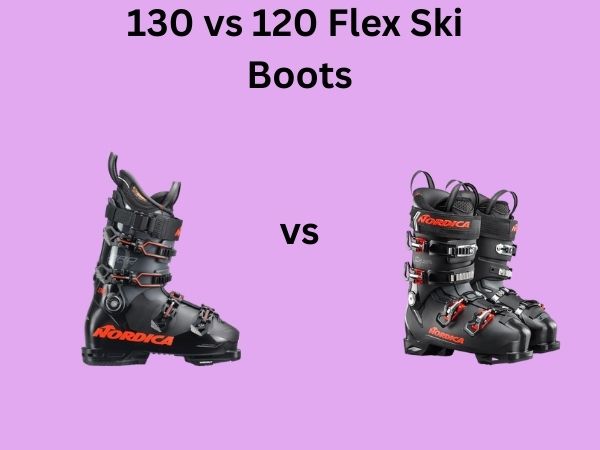
130 vs 120 Flex Ski Boots: Which Flex Is Right for You?
When you’re standing in a ski shop staring at row after row of boots, one of the most confusing numbers you’ll encounter is the flex rating. Should you go with 130 flex ski boots or settle for 120 flex? It’s a question that trips up both beginners and intermediate skiers alike. The truth is, choosing between these two options isn’t just about picking a random number—it’s about understanding your own skiing style, your physical capabilities, and what each flex rating actually means for your performance on the mountain.
Let me be honest with you: most people don’t really understand what flex ratings mean, and that’s okay. The ski industry does a terrible job of explaining it in simple terms. So I’m going to break it down for you in a way that actually makes sense, and then we’ll dive deep into whether 130 or 120 flex boots are the better choice for your specific situation.
Understanding Ski Boot Flex Ratings: The Fundamentals
Before we compare these two specific flex ratings, you need to understand what flex actually means. Think of your ski boot as a partnership between rigidity and responsiveness. The flex rating is essentially a measure of how much force it takes to bend your boot forward. It’s measured in newtons of force, though you don’t really need to worry about the technical specifics—what matters is understanding the concept.
A lower flex number means your boot is softer and bends more easily. A higher flex number means your boot is stiffer and requires more force to bend. It’s kind of like comparing a soft pillow to a firm mattress—both have their place, but they serve different purposes and different people.
Why Does Flex Rating Matter?
Your boot’s flex rating directly impacts your control, comfort, and responsiveness on the slopes. When you’re carving down a run, you’re constantly putting pressure on your boots through your shins. How easily those boots bend determines how quickly your skis respond to your movements. A boot that’s too soft will feel mushy and make precise turns difficult. A boot that’s too stiff will feel unresponsive and uncomfortable, especially for less aggressive skiers.
The flex rating also affects how much energy you’re spending on the slopes. If your boots are too stiff for your skiing ability, you’ll tire out faster because you’re fighting against the boot’s resistance. On the flip side, if your boots are too soft, you’ll lack the precision and control you need, which can actually be more exhausting as you overcompensate with your muscles.
The 120 Flex Boot: Who Should Wear Them?
A 120 flex boot falls into what many in the industry call the “medium” range. These boots are ideal for a specific type of skier, and understanding whether that’s you is the first step in making your decision.
The Ideal Skier for 120 Flex Boots
If you’re an intermediate skier who’s still developing your technique, 120 flex boots might be exactly what you need. These boots offer a nice balance between responsiveness and comfort. They’re forgiving enough that you won’t feel like you’re wrestling with them, but stiff enough that you can still execute solid turns and build confidence on the mountain.
Intermediate female skiers often find 120 flex boots to be a sweet spot. This isn’t because women are inherently weaker—that’s a harmful stereotype—but rather because the average build and muscle structure of many women means they benefit from a slightly softer boot that doesn’t require as much shin pressure to achieve proper flex. That said, plenty of men also ski 120 flex boots successfully, especially lighter-weight or technique-focused skiers.
Advantages of 120 Flex Boots
- More comfortable for all-day skiing sessions
- Easier to achieve proper forward lean and ankle alignment
- Forgiving on your legs and feet during long days
- Great for learning and perfecting technique
- Better control than softer boots while remaining accessible
- Excellent choice for variable snow conditions
Limitations of 120 Flex Boots
Here’s where things get real: 120 flex boots have their limitations. If you’re a strong, aggressive skier who likes to bomb down the mountain at high speeds, these boots might feel a bit too forgiving. You might find yourself wishing for more direct feedback from your skis, and you could experience some “boot chatter” at high speeds where the boot flexes when you don’t want it to.
Additionally, if you’re planning to progress rapidly in your skiing ability, you might find yourself outgrowing 120 flex boots faster than you’d expect. The line between “these are perfect for me” and “I need something stiffer” can happen relatively quickly as you become more aggressive and confident.
The 130 Flex Boot: Power and Precision
Now let’s talk about 130 flex boots, which represent a step up in stiffness. These boots are built for skiers who’ve moved beyond the intermediate phase or who have a more aggressive skiing style from the start.
The Ideal Skier for 130 Flex Boots
Think of 130 flex boots as the choice for skiers who know what they’re doing. If you’re consistently skiing black diamonds, carving aggressive turns, or spending days at the resort working on advanced techniques, these boots will give you the support and responsiveness you’re craving. Advanced to expert skiers generally prefer 130 flex or higher because they have the strength and skill to properly load the boots and take advantage of their precision.
Heavier skiers sometimes opt for 130 flex boots as well, not because lighter people can’t use them, but because their body weight naturally creates more force on the boots. A 200-pound skier in 120 flex boots might find them too soft, while those same boots would feel appropriate for a 140-pound intermediate skier.
Advantages of 130 Flex Boots
- Superior edge control and carving precision
- Better responsiveness at high speeds
- Ideal for aggressive skiing styles
- Excellent for mogul skiing and tight technical terrain
- Greater support for high-intensity days
- Better performance in hard-packed snow conditions
- Longer lifespan before needing to upgrade again
Limitations of 130 Flex Boots
The downside of 130 flex boots is that they demand more from you as a skier. If you don’t have the strength, technique, or aggression to properly load these boots, they’ll feel stiff and unresponsive. It’s like buying a high-performance sports car when you’re learning to drive—the tool is incredible, but you need to have the skill to use it properly.
Your legs will also fatigue faster in 130 flex boots if you’re not accustomed to them. They require more muscular effort to flex, which means your quads and shins will work harder throughout the day. For some skiers, this is a feature, not a bug. For others, it’s a dealbreaker.
Direct Comparison: 120 vs 130 Flex
Now that you understand both options independently, let’s put them side by side and see how they stack up against each other.
Comfort and Fit
If your primary concern is comfort, 120 flex boots generally win this category. They’re less demanding on your feet and legs, making them ideal for someone who wants to spend an entire day on the mountain without feeling like they’ve been in a vice. However, I want to stress that “comfortable” doesn’t mean “mushy.” A properly fitted 120 flex boot should still feel supportive and snug.
The 130 flex boots can be comfortable too, but it depends on your strength and technique. If you’re undersized for a 130 boot, you might experience foot pain or cramping by the end of the day. If you’re properly matched to them, they’ll feel responsive rather than uncomfortable.
Learning and Progression
For someone actively working on improving their skiing technique, 120 flex boots often provide a better learning environment. They give you enough feedback to understand what you’re doing wrong without punishing you for mistakes. When you catch an edge in 120 flex boots, you can often recover. Catch an edge hard in 130 flex boots while you’re still learning, and you’re going down.
That said, if you’re someone who learns best through resistance and challenge, 130 flex boots might actually accelerate your progression. You’ll be forced to develop better technique because your boots demand it. It’s a different learning style, but it works for plenty of skiers.
Speed and Performance
At higher speeds, 130 flex boots are simply superior. They provide better edge hold, more precise feedback, and less flex-related vibration. If you like skiing fast, 130 flex is the winner. That’s just physics.
120 flex boots are perfectly adequate for most resort skiing speeds, but if you’re a speed demon, you’ll eventually feel the difference.
Cost Considerations
Here’s something people don’t talk about much: flex rating doesn’t really affect the price significantly. You might pay slightly more for a 130 flex boot from a premium brand, but you can also find budget-friendly 130 flex options and premium 120 flex boots. So cost isn’t really a deciding factor here.
Key Factors to Consider When Choosing
Beyond just flex rating, several other factors should influence your decision.
Your Body Weight
Your weight is one of the most objective factors in choosing between 120 and 130 flex. Lighter skiers generally benefit from softer boots, while heavier skiers do better with stiffer boots. If you weigh under 150 pounds, 120 flex is likely a better choice. If you’re over 180 pounds, 130 flex probably makes more sense. For everyone in between, it’s more about your skiing style and ability.
Your Skiing Ability Honestly Assessed
This is where people often lie to themselves. You need to be brutally honest about your skiing ability. Are you really an advanced skier, or are you an ambitious intermediate skier? There’s nothing wrong with either—but accuracy matters here. If you overestimate your ability and buy 130 flex boots, you’ll have a frustrating time. If you underestimate yourself and buy 120 flex boots when you should have 130, you’ll also be disappointed.
Your Skiing Style
Are you someone who likes to explore the mountain at a relaxed pace, enjoying the scenery and stopping frequently? Or are you someone who wants to bomb down runs and push yourself every day? Your preferred style should absolutely influence your flex choice. Relaxed cruisers often prefer 120 flex, while aggressive skiers prefer 130 flex.
The Types of Terrain You Ski
If you spend most of your time on groomed runs and gentle slopes, 120 flex boots are perfectly fine. If you’re regularly tackling moguls, off-piste terrain, and challenging conditions, 130 flex boots will serve you better. Different terrain demands different levels of boot support and responsiveness.
How Fit Quality Affects Your Decision
Here’s something really important: the fit of your boot matters more than the flex rating. A perfectly fitted 120 flex boot will outperform a poorly fitted 130 flex boot every single time. Before you even worry about flex rating, you need to get your boots fitted by a professional who understands boot fitting.
The Importance of Professional Boot Fitting
A good boot fitter will examine your foot shape, your skiing style, your strength, and your experience level. They’ll ask questions about where you ski, how often you ski, and what your goals are. They’re not just selling you boots—they’re ensuring that the boots you choose will actually work for your feet and your skiing.
Many ski shops offer heat molding of the liner, shell modifications, and custom insoles. These adjustments can completely change how a boot feels and performs. A 130 flex boot that’s been professionally fitted and customized might feel more comfortable than a 120 flex boot off the shelf.
Testing Before You Buy
If possible, rent both 120 and 130 flex boots before making a purchase. Spend a full day in each and pay attention to how they feel. Do you find yourself fighting the stiffness, or does it feel supportive? Can you carve effectively, or does the boot feel unresponsive? These subjective impressions matter more than any article you read online, including this one.
Some ski resorts will even let you do boot swaps within a day if you’re not happy with your rental. Take advantage of this. The twenty dollars you might spend to swap boots is way cheaper than buying the wrong pair and having to sell them used.
Common Mistakes People Make
Mistake One: Buying Too Much Boot Too Soon
This is incredibly common. Someone takes a few lessons, feels confident, and thinks they need 130 flex boots to match their ambitions. Then they discover they actually need 120 flex boots to match their current ability. Don’t let your ego write a check your legs can’t cash.
Mistake Two: Ignoring the Liner Quality
People focus so much on flex rating that they forget the liner (the inner padding and cushioning) is equally important. A boot with an excellent liner might feel better than a boot with better flex but a mediocre liner. Feel the liners. Spend time in the boots. This matters.
Mistake Three: Buying Based on Brand Reputation Alone
Just because a brand makes excellent boots for experts doesn’t mean their intermediate offerings are equally excellent. Conversely, a brand might excel at beginner boots but offer mediocre advanced options. Research the specific model you’re interested in, not just the brand.
The Role of Boot Brand and Model
Different brands calibrate their flex ratings differently. A 130 flex boot from Brand A might feel slightly different from a 130 flex boot from Brand B. This is why trying on multiple brands is so important. What feels right can vary based on the specific engineering and construction of the boot.
Some brands are known for consistent flex ratings, while others are known for variation between models. Reading reviews and talking to boot fitters about brand characteristics can help you navigate this complexity.
Conclusion
So, which flex should you choose: 120 or 130? The honest answer is that it depends on you. If you’re an intermediate skier, lighter in weight, or prefer comfort and accessibility, 120 flex boots are probably your best bet. If you’re advanced, heavier, or prefer aggressive performance, 130 flex boots will serve you better.
But here’s what really matters: get your boots professionally fitted by someone who knows what they’re doing. Try before you buy if possible. Be honest about your ability level. And remember that the “perfect” boot flex is the one that lets you ski the way you want to ski without discomfort or fighting against your equipment.
The difference between 120 and 130 flex is real, but it’s not as dramatic as the difference between, say, 100 and 130 flex. You’re choosing between two solid options that overlap in capability. Either choice can be right for the right person. Make sure you understand what that person looks like, and then figure out if it’s you.
Frequently Asked Questions
Can I use 130 flex boots if I’m an intermediate skier?
Technically, yes, but it might not be ideal. If you’re a strong intermediate skier who’s pushing yourself hard and constantly improving, 130 flex boots could work well. However, if you’re a more