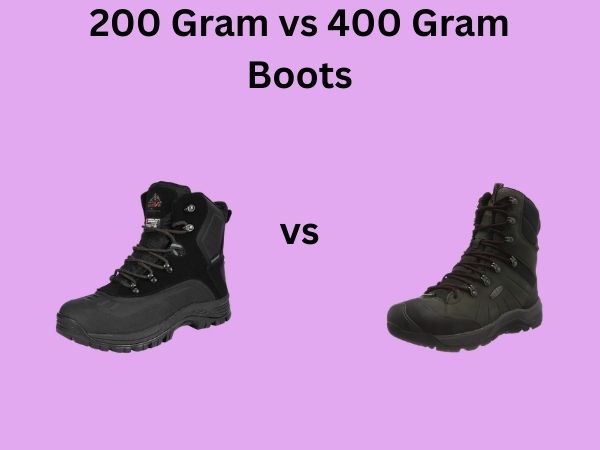
200 Gram vs 400 Gram Boots: The Complete Guide to Choosing Your Perfect Winter Footwear
When winter rolls around and the temperature drops, one of the most critical decisions you’ll make is selecting the right boots for your needs. But her3not all boots are created equal, and understanding the difference between 200 gram and 400 gram insulation ratings can literally mean the difference between frostbitten toes and cozy comfort. Let me walk you through everything you need to know to make the smartest choice for your lifestyle and climate.
Understanding Boot Insulation Ratings: The Basics You Need to Know
I remember the first time someone asked me about insulation grams in boots, and I thought they were speaking a foreign language. It turns out, it’s actually pretty straightforward once you understand the concept. Insulation ratings in boots refer to the weight of insulating material used, measured in grams. The higher the number, the more insulation is packed into the boot.
Think of it like layering your clothing—a light jacket versus a heavy winter parka. The more material you use, the more warmth you’re going to trap. That’s essentially what we’re talking about here, except instead of adding layers to your body, we’re adding layers to your feet.
How Insulation Grams Work
The gram measurement specifically refers to the weight of the insulation material per square meter. So when you see “200 gram boots,” manufacturers are telling you that there’s 200 grams of insulation material in each square meter of the boot’s interior. It’s a standardized way for brands to communicate warmth ratings consistently.
This system helps you compare boots across different manufacturers with confidence. If you’re comparing a 200 gram boot from Brand A to a 200 gram boot from Brand B, you’re getting the same amount of insulation material, though the quality might vary based on the type of insulation used.
What Does 200 Gram Insulation Actually Mean?
Let me be honest with you—200 gram boots are the lightweight champion of the insulation world. These are your go-to boots if you’re living somewhere with mild to moderate winters, or if you’re someone who tends to run warm naturally.
Characteristics of 200 Gram Boots
- Lighter overall weight for easier movement
- More breathable construction
- Better suited for active pursuits
- Easier to transition between indoor and outdoor environments
- Generally more affordable than heavier options
What I love about 200 gram boots is their versatility. You’re not walking around with what feels like cement blocks on your feet. They offer genuine warmth without that bulky, restrictive feeling that some people find frustrating.
Best Temperature Range for 200 Gram Boots
If I had to pinpoint the ideal temperature range, 200 gram boots typically perform best when temperatures hover between 20 and 40 degrees Fahrenheit. That said, if you’re moving around regularly or engaging in physical activity, you might be comfortable in even colder conditions because your body generates its own heat.
The key here is that these boots work wonderfully for people who aren’t standing still in subzero temperatures for extended periods. They’re perfect for running errands, commuting, or casual winter activities.
Exploring 400 Gram Insulation: The Heavier Option
Now let’s talk about the heavyweight champion—400 gram insulation boots. These are the boots you want when Mother Nature is really throwing everything at you, and you need serious protection from the cold.
What Makes 400 Gram Boots Special
With double the insulation of their 200 gram counterparts, 400 gram boots are engineered for extreme conditions. They’re packed with more insulating material, which means they can trap more warm air against your feet. It’s like comparing a standard winter coat to a parka designed for Arctic expeditions.
- Maximum warmth retention
- Designed for extreme cold conditions
- Heavier weight impacts movement
- Better suited for stationary activities
- Premium pricing due to increased material
- Excellent for outdoor work and winter sports
The thing about 400 gram boots is that they’re not trying to be fashion statements—they’re functional pieces of winter gear designed purely for protection.
Ideal Temperature Range for 400 Gram Boots
These boots truly shine when temperatures plummet below zero degrees Fahrenheit or when you’re dealing with conditions like heavy snow, wind chill, or prolonged outdoor exposure. If you’re planning to spend hours outside in harsh winter weather, 400 gram boots should be your choice.
Many ice fishermen, construction workers, and outdoor enthusiasts in northern climates swear by 400 gram boots because they provide the peace of mind that comes with knowing your feet are genuinely protected.
Weight Comparison and Comfort Factors
Let me address the elephant in the room—weight matters more than some people realize. The difference between 200 and 400 gram boots isn’t just about insulation; it’s about how your feet feel throughout the day.
Understanding Weight Differences
A 200 gram boot typically weighs between 1.5 to 2 pounds per boot, while a 400 gram boot usually weighs between 2.5 to 3.5 pounds per boot. That might not sound like much, but consider this—you’re moving these weights all day long, with every step you take.
Over the course of an entire day, that extra weight can translate to fatigue in your legs and feet. It’s like the difference between carrying a light backpack versus a heavy one on a hike. You’ll definitely feel it by day’s end.
Comfort and Fit Considerations
Here’s something important that many people overlook—the extra insulation in 400 gram boots can also affect how snugly the boot fits. Because there’s more material inside, you might need to size up or deal with a slightly tighter fit around the ankle and calf.
With 200 gram boots, you’re more likely to achieve a comfortable fit with your regular shoe size, which is another advantage if you value that “just right” feeling.
Climate Considerations: When to Use Each Type
The climate you live in should be your primary decision-making factor when choosing between these two options. It’s not complicated—match your boots to your weather.
When 200 Gram Boots Make Sense
If you’re living in regions where winter is mild to moderate, 200 gram boots are your answer. Think about climates like the southern United States, lower elevation areas, or places where temperatures rarely stay below freezing for extended periods.
- Temperate winter climates
- Areas with average winter temperatures between 20-40°F
- Regions with occasional snow rather than constant coverage
- Places where you’ll be moving around regularly
- Urban environments where you’re not exposed to the elements for hours
When 400 Gram Boots Are Essential
If you’re somewhere with harsh, prolonged winters—think Minnesota, Alaska, Canada, or northern mountain regions—400 gram boots aren’t a luxury; they’re a necessity.
- Extreme cold climates with temperatures below 0°F
- Areas with heavy snowfall and extended winter seasons
- Regions where you’ll spend extended time outdoors
- Places with significant wind chill factors
- Locations where wet, slushy conditions are common
Activity Levels and Boot Selection
Beyond climate, what you’re actually doing in your boots matters just as much. Your activity level directly influences which insulation level is appropriate.
Active Individuals and 200 Gram Boots
If you’re someone who’s constantly on the move—hiking, running, commuting, or engaging in winter sports—200 gram boots might actually keep you warmer than 400 gram alternatives. Here’s why: when you’re active, your body generates heat. Too much insulation can cause you to overheat and sweat, which defeats the purpose entirely.
Sweat is the enemy of warmth because moisture reduces your feet’s natural insulating capacity. So for active folks, the breathability of lighter insulation often wins out over maximum warmth.
Stationary Activities and 400 Gram Boots
Conversely, if you’re spending hours standing in one place—ice fishing, working outdoors, standing in a ski lift line—you’re not generating heat through movement. In these situations, the extra insulation in 400 gram boots becomes invaluable.
I think of it this way: movement generates heat, stillness requires insulation. Choose accordingly.
Breathability and Moisture Management
This is where things get interesting, because insulation level directly impacts how your boots handle moisture and breathability.
Breathability in 200 Gram Boots
With less insulation material, 200 gram boots typically offer superior breathability. This allows moisture vapor from your feet to escape more readily, keeping your feet drier and more comfortable during active pursuits.
If you’re planning to do any serious activity in your boots, this feature is crucial. Nobody wants wet feet, especially in winter.
Moisture Management in 400 Gram Boots
The thicker insulation in 400 gram boots can sometimes trap moisture more readily. However, quality manufacturers address this by incorporating moisture-wicking liners and ventilation systems.
That said, if you’re in 400 gram boots and you’re sweating from activity, you’ll likely feel more moisture buildup than you would in lighter boots.
Choosing Based on Moisture Considerations
- Active in winter: prioritize 200 gram for breathability
- Stationary in cold: 400 gram moisture management is less critical
- Wet conditions: look for moisture-wicking liners regardless of insulation level
- Dry, cold conditions: either option works well
Price Differences and Value Assessment
Let’s talk money, because boots are an investment, and you deserve to understand what you’re paying for.
Cost Comparison
Generally speaking, 200 gram boots are less expensive than 400 gram boots. Why? Because they use less insulation material, which means lower manufacturing costs. You might find decent 200 gram boots ranging from $80 to $150, while quality 400 gram boots typically start around $120 and can exceed $250 depending on brand and features.
Value Perspective
Here’s my honest take on value: the price difference is worth paying if you actually need the extra warmth. But if you live somewhere that doesn’t require extreme insulation, spending extra money on 400 gram boots is throwing away cash.
Consider it like buying a snowblower when you live somewhere that gets three inches of snow per year. The extra investment doesn’t provide extra value because you don’t need that capacity.
Durability and Longevity Factors
Both 200 and 400 gram boots can last for many years if properly maintained, but there are some durability considerations worth discussing.
Insulation Degradation Over Time
All insulation materials gradually lose effectiveness over time through compression and wear. The question is: how much does this matter?
With 400 gram boots, you start with so much insulation that even after significant degradation, you still have plenty of warmth. With 200 gram boots, degradation is more noticeable because you’re starting with less insulation to begin with.
Material Quality and Construction
The quality of the boot’s outer materials, stitching, and construction matters equally to insulation level when determining longevity. A poorly-made 400 gram boot won’t last longer than a well-constructed 200 gram boot.
Always investigate brand reputation, customer reviews, and construction quality regardless of which insulation level you choose.
Fit and Sizing Considerations
This is critical, and I can’t stress it enough—fit is everything when it comes to winter boots.
Sizing Up for Extra Insulation
Many people discover they need to size up when transitioning from 200 to 400 gram boots due to the extra material thickness. A half-size to full-size increase isn’t uncommon.
However, you don’t want your boots too loose because that creates air gaps that reduce insulation effectiveness and increase blistering risk.
Proper Fitting Technique
- Always try boots on later in the day when your feet are slightly swollen
- Wear the socks you plan to use with the boots
- Ensure about a thumb’s width of space in the toe area
- Make sure the heel doesn’t slip when you walk
- Test the boots with your winter clothing on
Real-World Performance Reviews
Numbers and specifications are great, but let me tell you what actual people experience with these boots in the real world.
200 Gram Boot User Experiences
People consistently report that 200 gram boots work wonderfully for commuting and regular winter activities. They appreciate the lighter feel and ability to transition between indoors and outdoors without overheating. However, those living in extreme climates sometimes wish they had more warmth during extended outdoor exposure.
400 Gram Boot User Experiences
Users of 400 gram boots generally report exceptional warmth, even in brutally cold conditions. The most common complaint is weight and the fatigue that comes from wearing heavier footwear all day. Some also mention that they run too warm during active pursuits.
Hybrid Approach Considerations
Interestingly, many experienced winter enthusiasts suggest having both types. They’ll wear 200 gram boots for active pursuits and lighter-traffic days, then switch to 400 gram boots for extreme cold or stationary activities.
Maintenance Tips for Insulated Boots
Proper maintenance extends the life of