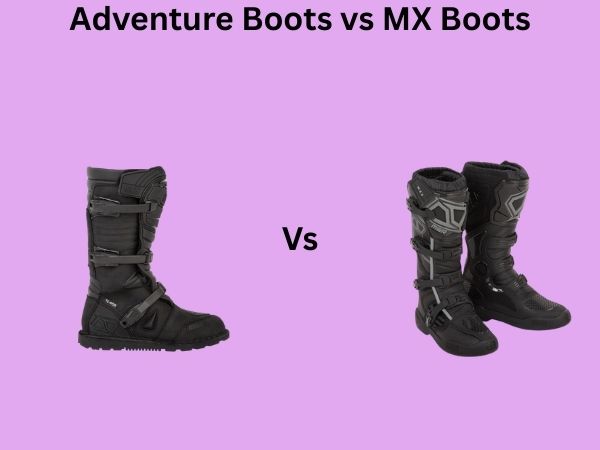
Adventure Boots vs MX Boots: Which Off-Road Footwear Reigns Supreme?
When you’re gearing up for your next off-road adventure, choosing the right boots can make or break your experience. I’ve spent countless hours researching and testing different footwear options, and I’ve come to realize that adventure boots and MX boots are two distinct categories that serve very different purposes. The question isn’t necessarily which one is better—it’s which one is better for YOUR specific needs.
Let me walk you through everything you need to know about these two popular off-road boot styles, their unique characteristics, and how to choose the perfect pair for your adventures.
Understanding the Core Differences Between Adventure and MX Boots
At first glance, adventure boots and MX boots might look similar to someone unfamiliar with off-road gear. However, these two categories are fundamentally designed for different activities and environments. Think of it like comparing a sedan to a pickup truck—they both have wheels and engines, but they excel in different situations.
What Are Adventure Boots?
Adventure boots, also known as adventure touring boots or motorcycle adventure boots, are designed for serious off-road exploration and mixed-terrain riding. These boots are engineered to handle everything from paved highways to rocky trails, sand dunes, and challenging terrain. They’re the Swiss Army knife of off-road footwear, offering versatility across multiple environments.
Adventure boots typically feature:
- Higher ankle support with reinforced shafts
- Durable materials like leather and abrasion-resistant synthetics
- Aggressive tread patterns for grip on varied surfaces
- Protective elements like toe caps and heel reinforcements
- Oil and slip-resistant soles
- Often waterproof or water-resistant construction
- Comfortable padding for all-day wear
What Are MX Boots?
MX boots, short for Motocross boots, are purpose-built for competitive motocross racing and high-performance off-road riding. These boots are laser-focused on one thing: protecting your feet and ankles during intense motorcycle or dirt bike riding. MX boots are specialized equipment, much like a race car is specialized compared to a regular vehicle.
MX boots typically feature:
- Extreme ankle support and lateral stability
- Rigid plastic or reinforced synthetic shells
- Strategic padding in crucial impact zones
- Minimalist, lightweight design
- Specialized shifter pads on certain models
- Limited comfort for extended walking
- Maximum protection focused on crash scenarios
Design Philosophy: Purpose-Built vs. Versatile
The fundamental difference between these boots comes down to their design philosophy. Adventure boots embrace a philosophy of versatility. Manufacturers understand that adventure riders need to transition between riding and walking, navigate different terrains, and handle various weather conditions. It’s like having hiking boots that also work as motorcycle gear.
MX boots, on the other hand, follow a philosophy of specialization. Every design element serves a singular purpose: maximizing foot and ankle protection during high-speed dirt bike riding. The manufacturers aren’t thinking about comfort for a ten-mile hike—they’re thinking about what happens when a 200-pound machine comes down on your shin.
Material Construction and Durability
Adventure boots typically utilize a combination of leather and advanced synthetic materials. Leather provides natural breathability and durability, while synthetics offer reinforcement in high-wear areas. This hybrid approach gives adventure boots impressive longevity, often lasting several years with proper care.
MX boots rely heavily on rigid plastic shells, reinforced nylon, and synthetic materials specifically engineered to withstand impacts and abrasion. While these materials are incredibly protective, they’re not always as durable in the long-term sense that adventure boots are. However, they excel at their specific job: crash protection.
Ankle Support and Protection: A Detailed Comparison
One of the most critical differences between these boot types is how they approach ankle support. Your ankles are vulnerable, and whether you’re exploring remote trails or racing on a track, protecting them matters significantly.
Adventure Boot Ankle Support
Adventure boots provide what I call “practical protection.” They offer robust ankle support through reinforced sidewalls and padded collars that keep your ankle stable during varied riding conditions. The support is engineered to handle twists and turns on uneven terrain while still allowing enough mobility for walking through camps, over rocks, and across challenging landscapes.
The ankle support in adventure boots is more about preventing injuries through stability than preventing injuries through rigidity. It’s protective without being restrictive.
MX Boot Ankle Support
MX boots take ankle protection to an extreme level. These boots feature rigid plastic shells that literally lock your ankle in place. This extreme immobility might sound uncomfortable, but it’s intentional—when you’re leaning your motorcycle through a turn at high speed, your ankle needs to be held absolutely rigid to prevent injuries.
The lateral support in MX boots is so pronounced that many riders need a break-in period to adjust. Your foot isn’t meant to move inside the boot at all, which takes some getting used to.
Comfort and Wearability: All-Day Performance
Here’s where adventure boots and MX boots diverge significantly. If you’re planning to wear your boots for extended periods—eight, ten, or even twelve hours—comfort becomes paramount.
Adventure Boot Comfort Features
Adventure boots are designed with all-day comfort in mind. They typically include:
- Cushioned insoles with arch support
- Padded ankle collars that don’t restrict blood flow
- Breathable lining materials
- Flexible midsoles that allow natural foot movement
- Ergonomic design that feels like wearing quality hiking boots
- Break-in periods measured in days rather than weeks
I can wear my adventure boots for a full day of riding and still have comfortable feet for walking around camp afterward. That’s the real advantage of these boots.
MX Boot Comfort Reality
Let’s be honest: MX boots are not comfortable for all-day wear. They’re rigid, restrictive, and definitely uncomfortable when you’re just standing around or walking. The rigid shells can cause pressure points, and the extreme ankle immobility feels foreign to most people initially.
However, this discomfort is the price of protection. MX boots excel at their job precisely because they sacrifice comfort for safety. When you’re racing or pushing hard on technical terrain, you probably won’t even notice the discomfort because you’re focused on the ride.
Terrain Versatility: Where Each Boot Shines
Different terrains demand different footwear solutions. Let me break down where each boot type performs best.
Adventure Boots Excel In:
- Mixed terrain riding that alternates between roads and trails
- Extended exploration where you’ll be walking significant distances
- Variable weather conditions and seasonal changes
- Rocky, technical terrain requiring ground navigation
- Desert exploration where you might dismount frequently
- Cold or wet weather situations
MX Boots Excel In:
- High-speed motocross track riding
- Competitive off-road racing scenarios
- Tight, technical single-track sections
- Situations where foot pegs are your primary ground contact
- Environments where maximum ankle protection is the priority
- Warm, dry conditions where breathability matters less
Price Considerations and Value Proposition
Let’s talk money. Budget matters when you’re investing in quality gear, and these two boot categories occupy different price ranges for good reasons.
Adventure Boot Pricing
Quality adventure boots typically range from $150 to $350 per pair. You’re paying for durability, versatility, and comfort features. This is an investment that you’ll use across multiple seasons and various riding conditions. Most adventure boots provide excellent value because they genuinely last several years with reasonable care.
MX Boot Pricing
MX boots generally range from $120 to $280 per pair. While the initial price might seem comparable, MX boots often require more frequent replacement due to the intense demands placed on them during racing. However, if you’re specifically doing motocross competition, you’re getting specialized performance equipment that you simply can’t get from adventure boots.
The value equation depends entirely on your use case. Spending $250 on adventure boots that last three years is a better investment than spending $200 on MX boots that need replacement every eighteen months if you’re primarily a touring rider.
Weather Protection and Waterproofing
Off-road adventures don’t pause for bad weather. How your boots handle wet conditions matters significantly.
Adventure Boot Weather Resistance
Most quality adventure boots feature waterproof membranes and sealed seams. Brands like Alpinestars, Sidi, and TCX have perfected the art of keeping water out while maintaining breathability. I’ve ridden through rain, snow, and muddy conditions in adventure boots and kept my feet relatively dry.
MX Boot Weather Handling
MX boots typically aren’t waterproof because they’re designed for dry-weather racing. Water runs right through them. This isn’t a design flaw—it’s intentional. MX boots are engineered for motocross tracks, which are either dry or ridden in brief wet windows before racing is suspended.
Transition Between Riding and Walking
One practical consideration that rarely gets discussed is the transition between being on your bike and being off it.
Adventure Boots for Mixed Activities
Adventure boots are specifically designed for this transition. You can ride for hours, then dismount and walk comfortably through a village, climb a ridge to scout terrain, or help push your bike out of a stuck situation. The boots feel almost like regular hiking boots once you’re off the bike, making them perfect for adventure tourism where you combine riding with exploration.
MX Boots and Dismounting
Trying to walk in MX boots feels awkward initially. The rigid shifter pad on the left foot, the extreme ankle bracing, and the overall minimalist design make walking feel unnatural. This isn’t a flaw if you’re at a motocross track where you’re either on the bike or in the pits. But if you need to walk substantial distances, MX boots become a liability rather than an asset.
Maintenance and Long-Term Care
Every boot requires maintenance if you want it to last. Let’s compare the care requirements of each type.
Maintaining Adventure Boots
Adventure boots require fairly straightforward care. Regular cleaning, occasional leather conditioning, and inspection of seams and soles keep them in great condition. You can repair seams, replace soles, and address minor damage, which extends their lifespan significantly. Quality adventure boots are designed to be maintained, not replaced.
Maintaining MX Boots
MX boots require different maintenance. Rinsing mud and dirt promptly prevents corrosion of metal components. However, the rigid shells and complex internal structures make field repairs difficult. When MX boots start degrading, it’s often more practical to replace them than repair them.
Real-World Rider Experiences and Use Cases
Let me share some practical scenarios where each boot type makes the most sense.
The Adventure Touring Scenario
Imagine you’re riding across three countries on a dual-sport bike. You’ll encounter everything: highways, sand tracks, rocky mountain passes, and muddy forest trails. You’ll also spend evenings exploring towns, hiking to viewpoints, and working on your bike in various conditions. Adventure boots are perfect here. They handle every situation the journey throws at you.
The Competitive MX Scenario
Now imagine you’re a competitive motocross racer preparing for a regional championship. You’re spending weekends at the track, doing practice runs, racing heats, and training intensively. You’ll spend most of your time either on the bike or in the pits. MX boots are the clear choice because they provide the maximum protection you need for competitive racing.
The Weekend Trail Rider Scenario
You ride dirt bikes on weekends, exploring local trails, doing some jumps, and having fun on technical terrain. Here’s where the choice gets interesting. If you’re doing mostly on-bike activities and your trails are nearby, MX boots work great. If you’re exploring new areas, doing mixed riding, and want versatility, adventure boots might serve you better.
Making Your Decision: A Practical Framework
So how do you actually choose between these two? I’ve developed a simple framework that helps clarify the decision.
Choose Adventure Boots If:
- You ride mixed terrain combining roads and trails
- You need to walk significant distances during your rides
- You value comfort for eight-hour riding days
- You explore new areas where terrain varies unpredictably
- Weather protection is important for your climate
- You want boots that last multiple years
- You’re doing adventure tourism or exploring
Choose MX Boots If:
- You’re doing competitive motocross racing
- You prioritize maximum ankle protection above all else
- You ride primarily tight, technical terrain
- You spend most time on the bike in dry conditions
- Lateral support and rigid ankle bracing are your priority
- You’re fine with replacing boots more frequently
- You want specialized racing equipment rather than touring gear
Hybrid Approach: Can You Use One For Both?
Here’s a question I get asked frequently: Can you use adventure boots for motocross, or MX boots for adventure riding?
Technically, yes. Many people use adventure boots for casual motocross riding, and they work reasonably well. However, you sacrifice some of the extreme ankle protection that MX boots provide. Conversely, you can technically use MX boots for adventure riding, but you’ll sacrifice comfort and versatility.
The optimal approach is having both types if your riding truly spans both activities. But if you must choose one, adventure boots offer more versatility for varied riding styles.
Conclusion
Adventure boots and MX boots represent two distinct philosophies in off-road footwear design. Adventure boots prioritize versatility, comfort, and protection across varied terrain and activities. MX boots prioritize specialized protection and performance for competitive riding. Neither is objectively better than the other—they’re better for different purposes.
Your choice should depend entirely on your specific riding activities, the terrain you typically encounter, how much walking you’ll do, and your comfort priorities. If you’re primarily a tourer and explorer, adventure boots will serve you significantly better. If you’re a competitive racer or spend most of your time doing tight technical riding, MX boots are the specialist tool you need.
I recommend trying on both types before making a purchase. Visit a motorcycle gear shop, try on different brands, and pay attention to how each boot feels both on