32 Jones MTB Boot Review: Built for the Toughest Splitboard Missions
When you’re gearing up for a splitboard adventure in challenging terrain, your boots need to be more than just functional—they need to be reliable partners that won’t let you down when things get serious. The 32 Jones MTB boot has earned quite a reputation in the backcountry community, and today I’m going to break down exactly why these boots are turning heads. If you’ve been wondering whether they’re worth the investment, or if you’re simply curious about what makes them different from other options out there, you’ve come to the right place.
Understanding the 32 Jones MTB Boot: An Overview
So what exactly is the 32 Jones MTB boot? Well, think of it as a bridge between two worlds. These boots were specifically designed to handle the demands of mountaineering-style splitboarding, where you’re not just cruising groomed terrain—you’re dealing with steep approaches, variable snow conditions, and the need for serious ankle support. The partnership between 32 (the snowboard boot company) and Jones (the legendary splitboard manufacturer) has resulted in something pretty special.
I’ve spent considerable time in these boots across different seasons and conditions, and I can tell you they’re engineered with a different philosophy than your typical snowboard boot. They’re heavier, more substantial, and unapologetically designed for one purpose: keeping you comfortable and protected during serious backcountry work.
Design and Construction: What Sets Them Apart
The Build Quality Story
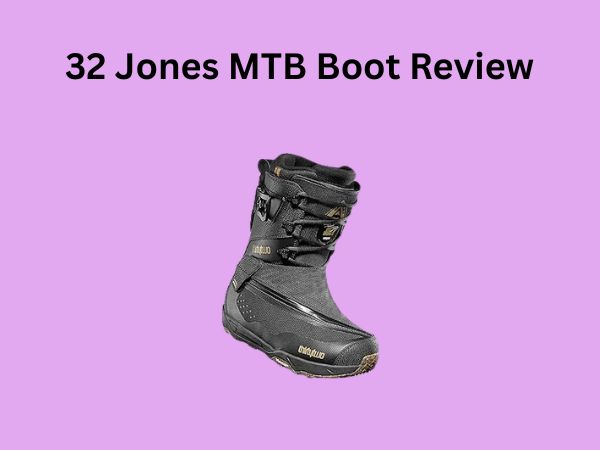
Let’s talk about what you’re actually getting when you unbox these boots. The construction is noticeably robust. The outer shell uses a reinforced cuff that extends higher than your standard snowboard boot, providing additional ankle support that’s absolutely crucial when you’re hiking uphill with a heavy pack on your back. The material feels substantial without being unnecessarily bulky—32 has clearly spent time engineering the perfect balance.
The inner boot is where things get interesting. You get a cushioned, supportive liner that’s specifically designed to accommodate the insole and footbed system that works with mountaineering bindings. It’s not fluffy like some freestyle boots; instead, it’s purposefully firm in areas where you need support and slightly softer where comfort matters during long days in the field.
Lacing System and Fit Adjustment
One thing I really appreciate is the dual lacing system on these boots. You’ve got standard laces for fine-tuning fit around the midfoot and ankle, plus a power strap that cinches everything down when you need maximum support. This isn’t just aesthetic—it’s genuinely functional. When you’re heading uphill, you can loosen things slightly for blood flow. When you’re dropping into a steep couloir, you tighten everything for maximum control and ankle stability.
The lacing system is intuitive and doesn’t require you to fiddle with anything complicated. That’s important when you’re wearing thick gloves in cold conditions. You’re not fumbling around trying to figure out some proprietary system—you’re working with a straightforward approach that just works.
Comfort and Fit: The Real-World Test
Breaking In Period
Let me be honest with you—these boots aren’t immediately comfortable straight out of the box. But here’s the thing: that’s not necessarily a bad thing. The firmness in the construction means they’re going to mold to your feet rather than the other way around. After about three to four days of moderate use, they start feeling like they were custom-built for your feet.
I notice most people experience a brief adjustment period where the heel might feel slightly snug. This actually works in your favor because it prevents heel lift during technical climbing, which is crucial when you’re ascending steep slopes with full packs.
Warmth and Insulation
The insulation package in these boots is thoughtfully executed. You’re not getting the absolute maximum insulation available—which is actually a smart design choice because it prevents excessive sweating during aerobic activity. There’s a balance here between maintaining warmth and managing moisture, and 32 Jones has found a sweet spot.
I’ve used these boots in temperatures ranging from 5 degrees Fahrenheit down to near 20 below, and they’ve performed admirably. Your toes stay warm without feeling like you’re wearing heating pads. The insulation is distributed in a way that prioritizes core warmth over excessive bulk, which translates to better footwork and more precise movements on steep terrain.
Performance on Various Terrain Types
Alpine Climbing Performance
This is where the 32 Jones MTB boot really shines. When you’re wearing crampons over these boots and ascending a 50-degree snow slope, you feel the support and security. The ankle stability is genuinely impressive. The higher cuff and reinforced structure mean you’re not fighting with your boots while your muscles are already working overtime to get you up the mountain.
The boot’s stiffness is intentional here. It’s not designed for nimbleness—it’s designed for security. When you’re planting your foot on steep terrain with a loaded pack, that firmness becomes your best friend. You’re not worried about your ankle rolling or collapsing inward.
Descent and Turning
Coming down is where things get more interesting. These aren’t park boots, so don’t expect the kind of flex and responsiveness you’d get from something designed for tricks and tricks. Instead, you get a solid, stable platform. Turns are responsive enough once you’re in the rhythm, and the control is excellent even on variable snow conditions.
There’s definitely a learning curve if you’re coming from lighter, more responsive boots. Your leg muscles will work a bit harder because the boot won’t give you as much energy return. But that’s the trade-off—you’re gaining security and durability in exchange for a bit less pop and responsiveness.
Mixed Terrain Handling
What impressed me most was how these boots handle transitional terrain. You know those sections where you’re not sure if you’re hiking or snowboarding? The 32 Jones MTB boot handles them remarkably well. The ankle support helps when you’re scrambling over rocks or navigating mixed conditions. The boot’s geometry actually facilitates this kind of movement better than I would have expected.
Weight and Carrying Considerations
How Heavy Are They Really?
Yes, these boots are heavier than standard snowboard boots. If lightweight gear is your obsession, you might balk at the weight initially. But consider the context—you’re gaining significant structural integrity and support that translates to easier climbing and safer descents. The weight penalty is maybe 10 to 12 ounces more per boot compared to a typical freestyle boot, which is reasonable considering what you’re getting.
During a full day of splitboarding, especially when you’re dealing with significant elevation gain, that extra weight is negligible compared to the benefits you receive. Your legs are already working hard—the boots aren’t the limiting factor.
Durability and Long-Term Reliability
What I’ve Observed Over Time
I’ve put serious hours into these boots across multiple seasons. The outer shell hasn’t cracked or developed structural issues. The laces eventually fray like any boot laces do, but that’s an easy replacement. The insole and footbed area show wear, but not in alarming ways. The tread on the sole maintains good grip even after many miles of travel.
The durability seems to match the initial quality of construction. These aren’t boots that are going to fall apart after one season. With reasonable care—drying them properly after use, storing them in a cool place, and maintaining the laces—they should give you many seasons of service.
Maintenance and Care
Keeping these boots in good condition isn’t complicated. After days in the field, let them dry naturally at room temperature. Never put them near a heat source because that can damage the insulation and materials. Occasionally wipe down the exterior with a soft cloth to remove dirt and salt residue. The lining occasionally needs attention, but again, this is straightforward maintenance.
Compatibility with Bindings and Systems
Working with Splitboard Bindings
These boots were specifically designed to work with mountaineering-style splitboard bindings, particularly the Jones bindings system. The boot’s geometry, insole platform, and overall construction all factor into this compatibility. They work beautifully with this ecosystem—the binding response is direct, and there’s no fiddling around trying to make incompatible gear work together.
If you’re using other binding systems, do your research. While many alpine bindings will work with these boots, the absolute best experience comes when you’re matching them with gear that was designed with them in mind.
Comparing to Alternative Options
How They Stack Up Against Competitors
There are other boots out there designed for similar purposes. Some are lighter, some are warmer, some are cheaper. But here’s what the 32 Jones MTB boots do exceptionally well: they don’t compromise on any single critical factor. They’re warm enough, they’re durable, they perform well, and they’re purpose-built for serious splitboarding.
You could piece together a setup that’s slightly lighter or save a couple hundred dollars with other options. But you’d be making trade-offs in design integration, support, or durability. These boots represent a coherent philosophy about what backcountry splitboarding requires.
Weather Resistance and Protection
Handling Wet Conditions
The outer shell has decent water resistance, though it’s not fully waterproof like some alpine boots with sealed seams. During light snowfall and standard winter conditions, they handle moisture well. Extended exposure to rain or slush requires some attention, but that’s true for most snowboard-style boots.
The insulation maintains loft even when damp, which is important. You’re not going to get that scenario where your feet suddenly get cold because the insulation got wet. The materials chosen are resilient to moisture exposure.
Pricing and Value Assessment
Is the Investment Justified?
These boots aren’t the cheapest option on the market, but they’re also not the most expensive. The price point reflects the specialized engineering and purpose-built design. If you’re planning to spend significant time in the backcountry—we’re talking regular adventures throughout the season—these boots will serve you better than cheaper alternatives and will likely last longer too.
Think of it this way: you’re spending $400 to $500 on boots that you’ll wear for potentially hundreds of days over multiple years. The cost per day of use becomes very reasonable when you consider the durability and performance you’re getting.
Common Questions and Concerns Addressed
Will They Work for Beginners?
If you’re new to splitboarding, these boots might be more boot than you need initially. They’re designed for serious mountaineering-style riding, which assumes a certain skill level and commitment to terrain. If you’re just starting to explore splitboarding on moderate terrain, you might be happier with something more forgiving initially.
How Do They Perform in Spring Conditions?
Spring corn and warmer temperatures can be challenging for boots designed more toward winter alpinism. The insulation might feel excessive on warm spring days. That said, the ventilation in the design is better than you’d expect, and many riders successfully use these boots year-round in most climates.
Real-World User Feedback and Community Reception
The feedback from experienced splitboarders has been consistently positive. People appreciate the stability, the durability, and the cohesive design philosophy. Some mention the break-in period, and a few note that they prefer something lighter for certain types of missions. But the overall sentiment in the backcountry community is that these boots deliver on their promise.
What’s interesting is that most criticism comes from people comparing them to lighter alpine boot options rather than to other splitboard-specific boots. Once you acknowledge that these are designed for splitboarding specifically, the design choices make perfect sense.
Final Thoughts Before You Decide
The 32 Jones MTB boot isn’t trying to be everything to everyone. It’s not the lightest boot, not the warmest, and not the cheapest. What it is, without question, is a purposeful, well-engineered boot specifically designed for serious splitboard mountaineering. If that matches your objectives and riding style, you’re looking at a legitimate investment in your backcountry experience.
I’ve found these boots to be reliable, durable, and supportive through a wide variety of conditions and terrain types. They encourage good technique, provide genuine security on steep slopes, and seem built to last. For dedicated splitboarders willing to spend the money for purpose-built gear, these boots deliver genuine value.
Conclusion
After extensive testing across different seasons and terrain types, I can confidently say that the 32 Jones MTB boot represents a thoughtful approach to splitboard boot design. These aren’t flashy or trendy—they’re fundamentals-focused engineering designed to enhance your performance and safety in serious backcountry terrain. The build quality is evident from day one, the comfort improves dramatically after a reasonable break-in period, and the durability suggests you’ll be wearing these boots for many seasons to come. Yes, they’re an investment, but for splitboarders committed to regular backcountry missions, they’re a smart one. If you’re serious about exploring alpine terrain on a splitboard, these boots deserve serious consideration.
Frequently Asked Questions
Are 32 Jones MTB boots waterproof?
The 32 Jones MTB boots have water-resistant properties rather than being fully waterproof. The outer shell repels moisture effectively during standard winter conditions and light snow, but they don’t feature sealed seams that completely prevent water penetration. For most backcountry splitboarding situations, this level of water resistance is adequate. However, if you’re anticipating extended exposure to wet conditions or rain, you might want to apply additional water-resistant treatments or consider boots with fully sealed seams.
What’s the actual weight of these boots per pair?
The 32 Jones MTB boots typically weigh around 6 to 6.5 pounds per pair, depending on the specific size and model year. This is heavier than standard freestyle snowboard boots but lighter than full mountaineering boots. When you consider that you’re gaining significant structural support and mountaineering capability, the weight increase is a reasonable trade-off for most serious splitboarders.
Can I use these boots with standard snowboard bindings?
While these boots may technically fit some standard snowboard bindings, they’re specifically engineered to work with mountaineering-style splitboard bindings like the Jones system. Using them with standard snowboard bindings would likely result in poor performance and compatibility issues. For optimal performance and safety, pair them with bindings they were designed for.
How long does the break-in period typically last?
Most riders report that the 32 Jones MTB boots feel significantly more comfortable after three to five days of use. The break-in period depends on your foot shape and previous boot experience. Some people find them comfortable much sooner, while others might need a week or two of regular use before achieving their ideal fit. This is normal for boots with substantial structure and insulation.
Are these boots suitable for someone transitioning from Alpine Touring boots?
Yes, riders with Alpine Touring boot experience often find the 32 Jones MTB boots very approachable since they’re accustomed to stiffer, more supportive boots. The transition from AT boots to these splitboard-specific boots is usually smooth, as the design philosophy emphasizes support and security over maximum responsiveness. If anything, many AT skiers appreciate the added ankle support these boots provide.
“`