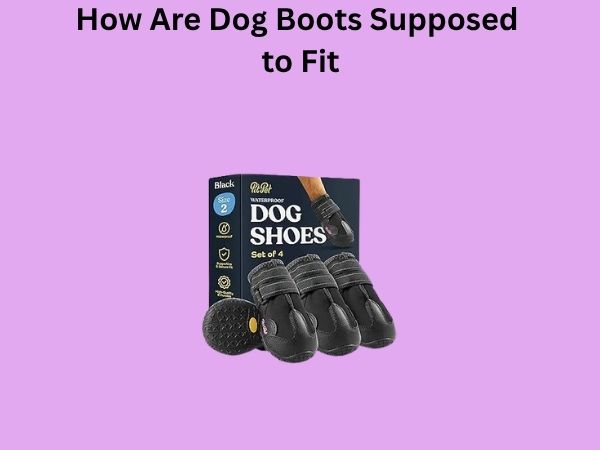
Paws & Comfort: How Are Dog Boots Supposed to Fit?
If you’ve ever watched your furry friend prance around in a new pair of boots, you know that look of confusion mixed with determination. But here’s the thing—that awkward waddle isn’t what we’re aiming for. Getting the right fit for your dog’s boots is absolutely crucial, and honestly, it’s easier than you might think once you understand what to look for.
Let me be real with you: buying dog boots that don’t fit properly is like wearing shoes that pinch your toes all day. Your pup will be miserable, and you’ll be frustrated watching them struggle. That’s why I’m diving deep into this topic to help you navigate the world of canine footwear like a pro.
Understanding Why Dog Boot Fit Matters So Much
You might wonder why we’re making such a big deal about dog boot sizing. Think about it this way—your dog’s paws are their foundation. They use them for balance, traction, and even temperature regulation. When boots don’t fit right, you’re essentially compromising all of these functions.
Poorly fitting boots can cause blisters, restrict circulation, lead to joint strain, and honestly, they’re just uncomfortable. Your dog will either shake them off constantly or develop behavioral issues like limping and reluctance to walk. Neither scenario is ideal when you’ve invested in protective footwear.
The Connection Between Fit and Safety
Here’s something many people overlook: proper boot fit directly impacts your dog’s safety. When boots are too loose, your pup might trip on them or lose their grip on slippery surfaces. When they’re too tight, your dog loses circulation and develops pressure points. Both situations increase the risk of injury.
Comfort Equals Acceptance
A dog wearing comfortable boots will actually use them as intended. They’ll walk naturally, play outside in winter, and protect their paws from salt, ice, and rough terrain. A dog in uncomfortable boots will fight you every step of the way.
Measuring Your Dog’s Paws: The First Step
Before you even think about shopping, you need accurate measurements. This is non-negotiable. I recommend measuring all four paws because, believe it or not, not all of your dog’s feet are the same size. Front paws are typically larger than back paws, and sometimes there’s variation from left to right.
The Proper Measurement Technique
Here’s how to measure like a professional:
- Place your dog’s paw on a piece of white paper
- Make sure your dog is standing naturally with their full weight on that paw
- Trace around the entire paw with a pen or pencil
- Measure the length from the very tip of the longest toe to the back of the paw pad
- Measure the width across the widest part of the paw
- Do this for all four paws and note which is which
Why the weight-bearing position? Because your dog’s paw expands slightly when they’re standing on it. If you measure a lifted paw, you’ll get inaccurate measurements that’ll result in boots that are too loose.
Taking the Width Measurement Seriously
Many people focus only on length, but width is equally important. A boot that’s the right length but too narrow will pinch your dog’s foot and create pressure points. Conversely, a boot with adequate width but slightly longer length is usually more forgiving than the opposite scenario.
Understanding Dog Boot Sizing Standards
Unlike human shoe sizes that follow somewhat universal standards, dog boot sizing varies wildly between manufacturers. One brand’s size 3 might be completely different from another brand’s size 3. This is frustrating, I know, but it’s just the reality of the pet industry.
How Different Brands Size Their Boots
Some brands use numerical sizing (sizes 1 through 10), others use letters (XS, S, M, L, XL), and some use measurements in millimeters. The most reliable approach is always to check the manufacturer’s specific sizing chart rather than relying on the generic size name.
Reading Sizing Charts Effectively
When you find a sizing chart, look for measurements in millimeters or inches that correspond to paw length and width. Compare your traced paw measurements directly to these charts. You want your dog’s paw measurements to fall comfortably within the range shown for that size, ideally not at the very edge of the range.
The Visual Inspection Test: What Good Fit Looks Like
Once you have boots in hand, here’s how to visually assess the fit before your dog even walks in them:
Checking Boot Dimensions
Hold the boot up and look inside. The boot should be snug around the opening but not constrictive. If you can bunch up fabric around the ankle area, the boot is probably too loose. If the fabric is stretched tight and you can barely slip a finger between the boot and your dog’s ankle, it might be too tight.
Examining the Toe Box
Look at the front of the boot where your dog’s toes will go. There should be a tiny bit of wiggle room—we’re talking maybe a quarter inch—but nothing more. The boot shouldn’t compress your dog’s toes or leave significant empty space either.
Assessing the Sole Thickness
Run your finger along the bottom of the boot. Quality boots have supportive soles without being overly rigid. If the sole is too thin, your dog won’t get adequate protection. If it’s too thick, your pup will have difficulty bending their paw naturally.
The Fit Test: Putting Boots On Your Dog
This is where things get real. Here’s how to properly put boots on your dog and assess the fit:
The Step-by-Step Application Process
- Choose a calm moment when your dog is relaxed, not overly excited
- Have treats ready for positive reinforcement
- Gently lift one paw and slide the boot on slowly
- Make sure the boot sits centered on the paw with no bunching
- Fasten any straps or closures without over-tightening
- Repeat for all four paws
- Let your dog stand and get acclimated before walking
The Touch Test
Once boots are on, do the touch test. Gently squeeze the boot around the ankle area. You should be able to slip your pinky finger between the boot and your dog’s leg, but not your whole finger. This sweet spot indicates proper tightness that won’t restrict circulation but will keep the boot from slipping.
The Gap Check
Look at the opening of the boot where it meets your dog’s leg. There shouldn’t be significant gaps or bunching. If you see daylight between the boot and leg all around, the boot is too loose. If the boot is practically vacuum-sealed, it’s too tight.
Observing Your Dog’s Movement and Behavior
Now here comes the real test—how does your dog actually move in these boots?
Natural Gait Indicators
A properly fitted boot allows your dog to walk with their normal gait. Yes, there might be some initial awkwardness as they adjust to the sensation, but within a few minutes, they should be moving naturally. Watch for:
- Normal stride length and pace
- Balanced weight distribution across all four paws
- No excessive lifting or shaking of individual paws
- Normal turning and directional changes
Signs That Boots Are Too Tight
If your dog is limping, refusing to put weight on a particular paw, or their movements are stiff and unnatural, the boots are too tight. Other red flags include excessive panting (beyond normal exertion), whining, or trying desperately to shake the boots off.
Signs That Boots Are Too Loose
Conversely, if boots are slipping off repeatedly, your dog is stepping out of them, or you notice them rotating around the paw with each step, they’re too loose. Loose boots are safety hazards and won’t provide adequate protection.
Temperature Considerations in Boot Fit
Here’s something many people don’t consider: your dog’s paw size can actually change with temperature. In cold weather, blood vessels constrict to conserve heat, which can make paws slightly smaller. In warm weather, the opposite happens.
Planning for Seasonal Variations
If you’re buying boots primarily for winter use, measure your dog’s paws on a cold day if possible. If you’re buying for multi-season use, measure on a mild day to split the difference. Keep in mind that boots fitted snugly in summer might be a bit loose in winter, and vice versa.
Different Boot Types and Their Unique Fit Considerations
Not all dog boots are created equal, and different styles have different fit requirements.
Pull-On Boots
These boots slide onto your dog’s paw like a sock. They need to be snug enough to stay on but loose enough to slide on and off without excessive force. Too tight, and you’ll struggle to get them on. Too loose, and they’ll fall off constantly.
Boots with Velcro Closures
These offer adjustability, which is wonderful. You can fine-tune the fit around the ankle without making the whole boot tighter or looser. However, you still need the base boot to be appropriately sized for your dog’s paw length and width.
Waterproof vs. Insulated Boots
Waterproof boots tend to be thinner and more form-fitting. Insulated boots are bulkier due to padding and might need a half-size larger to accommodate the extra material comfortably. Always account for this when choosing insulated options.
Breaking In New Boots: Timeline and Expectations
Even with perfect measurements, there’s an adjustment period. Your dog has never worn boots before, so they need time to acclimate.
The First Week Strategy
Start by putting boots on your dog for short periods indoors—just five to ten minutes. Let them walk around your house, get used to the sensation, and understand that boots aren’t torture devices. Gradually increase the duration and eventually move to outdoor walks.
Recognizing Genuine Discomfort vs. Adjustment Period
There’s a difference between a dog who’s adjusting to new gear and a dog who’s in genuine discomfort. Adjustment-phase dogs might be cautious, move slowly, or seem a bit uncertain. Genuinely uncomfortable dogs will refuse to walk, attempt to chew the boots off aggressively, or show signs of pain like limping after adjustment attempts.
Checking Fit Throughout Your Dog’s Life
Here’s the thing: your dog grows, ages, and changes. What fit perfectly last year might not fit well this year.
When to Remeasure Your Dog’s Paws
Remeasure at least annually, more frequently if your dog is still growing. Puppies especially can have rapid changes in paw size. Additionally, older dogs sometimes develop swelling in their joints, which can affect boot fit.
Seasonal Boot Rotation
If you use different boots for different seasons, you might notice fit variations. Winter boots might feel different than summer boots even from the same manufacturer. This is normal and expected.
Common Fitting Mistakes to Avoid
Let me share some mistakes I’ve seen repeatedly:
- Measuring paws while your dog is sitting or lying down instead of standing
- Buying based on your dog’s size rather than actual paw measurements
- Assuming one brand’s sizing matches another brand’s sizing
- Not checking the specific manufacturer’s sizing chart before purchasing
- Overtightening straps thinking “more secure” means “better”
- Ignoring the difference between front and back paw sizes
- Buying boots without any wiggle room or adjustment period tolerance
Making Adjustments When Boots Don’t Fit Perfectly
Sometimes despite your best efforts, boots still don’t fit quite right. Here are some adjustment strategies:
Adding Insoles or Padding
If boots are slightly loose, you can add thin insoles or padding inside. This works well for minor fit issues. However, don’t add so much padding that you compromise the boot’s overall structure or your dog’s ability to bend their paw naturally.
Using Boot Socks Underneath
Thin dog socks worn under boots can help with fit issues and provide additional protection and comfort. They also help with any chafing that might occur during the adjustment period.
Knowing When to Return and Exchange
If adjustments aren’t helping and your dog is clearly uncomfortable, don’t persist. Return the boots and try a different size or brand. Your dog’s comfort and safety matter more than the inconvenience of an exchange.
Conclusion
Getting dog boots to fit properly isn’t rocket science, but it does require attention to detail and patience. Start with accurate measurements taken with your dog standing naturally. Cross-reference those measurements with the specific manufacturer’s sizing chart rather than relying on generic size names. Once you have boots, visually inspect them and perform the touch test. Finally, observe your dog’s movement carefully during initial wear.
Remember that proper boot fit means comfort, safety, and longevity of use. A dog in well-fitting boots will actually want to wear them and will benefit from the protection they provide. Take the time to get it right, and both you and your furry friend will be happier for it. Your dog’s paws carry them through life—they deserve boots that fit just right.
Frequently Asked Questions
How tight should dog boots actually be?
Dog boots should be snug enough that you can only slip your pinky finger between the boot and your dog’s leg. This is tight enough to prevent slipping and maintain proper support but loose enough to allow normal circulation. You should never be able to fit your whole finger, nor should there be daylight gaps around the ankle. Think of it like the fit of a well-made athletic shoe on a human—secure but not constricting.
Can dog boot size be based on breed size alone?
Absolutely not. This is one of the biggest mistakes people make. Two dogs of the same breed can have significantly different paw sizes. Additionally, individual dogs have unique paw shapes and proportions. A large breed dog might have small paws, while a smaller dog might have larger paws. Always measure individual paws rather than relying on breed size as your guide. Actual measurements beat assumptions every single time.
Should I size up or down if my dog’s paw falls between sizes?
This depends on your dog’s specific situation. If your dog is between sizes and tends to have sensitive skin prone to chafing, size up slightly. If your dog is between sizes and the boots have adjustable