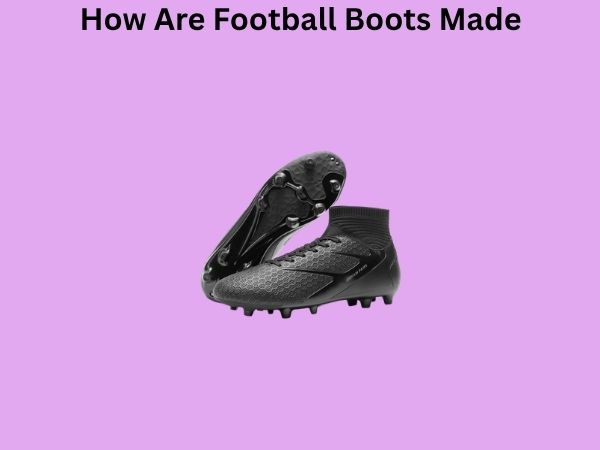
How Are Football Boots Made? A Complete Guide to the Manufacturing Process
Ever wondered what goes into creating the football boots that professional athletes lace up before stepping onto the pitch? It’s far more complex than most people realize. The journey from raw materials to the finished product involves countless hours of engineering, craftsmanship, and quality control. In this comprehensive guide, we’ll walk you through every stage of football boot manufacturing, revealing the secrets behind some of the world’s most advanced sporting footwear.
The Design Phase: Where Innovation Begins
Before a single piece of material is cut or shaped, every football boot starts its life in the minds of talented designers and engineers. This phase is absolutely crucial because it sets the tone for everything that follows. Think of it like the blueprint of a house—everything depends on getting this right from the start.
Conceptualization and Market Research
Manufacturers don’t just wake up one day and decide to create a new boot model. Instead, they invest significant resources into understanding what players actually need. Design teams analyze player feedback, study biomechanics, examine wear patterns from previous seasons, and stay ahead of emerging trends in the sport. They’re essentially trying to answer the question: what would make a player faster, more agile, and more confident on the field?
Computer-Aided Design and 3D Modeling
Modern football boot manufacturers rely heavily on CAD software and 3D modeling technology. Designers use advanced computer programs to create digital prototypes of new boot designs. This allows them to visualize the final product, test different proportions, and make adjustments without wasting physical materials. They can simulate how the boot will look from every angle and even run virtual stress tests to predict how materials will perform during play.
Prototype Development and Testing
Once the digital design looks promising, manufacturers create physical prototypes. These early samples are made in limited quantities and given to professional athletes for real-world testing. These athletes provide invaluable feedback about comfort, fit, performance, and any issues they encounter during actual gameplay. It’s not uncommon for a boot to go through five, ten, or even more iterations before it’s ready for mass production.
Material Selection: Choosing the Right Components
The materials used in football boot construction dramatically impact the final product’s performance characteristics. Manufacturers must balance factors like weight, durability, comfort, and cost—all while ensuring the boots meet professional standards.
Upper Material Options
The upper is the part that covers your foot, and it can be made from several different materials. Natural leather, traditionally made from kangaroo or calf hide, offers excellent touch and adaptability but can be heavy and requires break-in time. Synthetic materials like microfiber provide lightweight alternatives that are easier to care for and often more consistent in quality. Some manufacturers blend these materials, combining the best properties of each. Premium boots might feature advanced textiles engineered specifically for ball control and water resistance.
Sole and Outsole Materials
The sole must be durable enough to withstand constant contact with hard playing surfaces while remaining flexible enough for natural foot movement. Most manufacturers use rubber compounds for the outsole because rubber provides excellent grip and longevity. The specific composition varies depending on whether the boot is designed for firm ground, soft ground, artificial grass, or indoor surfaces. Each playing surface demands different stud patterns and rubber hardness levels.
Midsole and Cushioning Technologies
The midsole sits between the outsole and the insole, and it’s where comfort and energy return come into play. Modern football boots use various cushioning technologies, from traditional ethyl-vinyl acetate (EVA) foam to proprietary gel compounds and memory foam. These materials absorb impact when your foot strikes the ground, reducing fatigue during intense matches. Some high-end models incorporate advanced cushioning systems that manufacturers have spent years developing.
Creating the Last: The Foundation of Every Boot
A “last” is essentially a three-dimensional model or form that represents the shape of a human foot. It’s absolutely fundamental to boot manufacturing because every single boot is molded around a last. Think of it as a foot-shaped sculpture that guides the entire construction process.
Last Design and Specification
Manufacturers create multiple lasts to accommodate different foot shapes and sizes. They might have separate lasts for narrow feet, wide feet, and standard feet. These lasts are meticulously measured and calibrated to ensure consistency across thousands of boots. The design of the last determines how the finished boot will fit, so precision is absolutely critical. A poorly designed last can result in uncomfortable boots that players won’t want to wear, regardless of how good the materials are.
Last Manufacturing Methods
Modern lasts are typically manufactured using advanced machining techniques. Some manufacturers use CNC (computer numerical control) machines that can create extremely precise forms from wood, plastic, or aluminum. The machine follows exact specifications generated from 3D models, ensuring that every last produced is identical to the blueprint. This consistency is what allows manufacturers to produce thousands of identical boots without variation.
Upper Construction: Building the Boot’s Framework
Now we’re getting into the actual construction phase. This is where the boot starts to take recognizable shape, and it’s an incredibly detailed process.
Pattern Cutting and Preparation
The first step in upper construction is cutting the material into specific pattern pieces. Designers have created precise patterns for every component of the upper—the vamp (front part), the sides, the heel counter, and so forth. Workers use these patterns as templates to cut material from large sheets. In modern factories, computer-guided cutting machines do much of this work, but experienced craftspeople often inspect the cuts to ensure they meet quality standards. Even a small mistake at this stage can ruin an entire piece of material.
Lamination and Material Bonding
Many modern football boots feature layered uppers. Different materials might be bonded together to achieve desired performance characteristics. For example, a synthetic outer layer might be bonded to a supportive mesh inner layer. This bonding is typically done using industrial adhesives applied with precision. The adhesive is carefully heated to activate and cure properly, creating a permanent bond that won’t separate during use.
Reinforcement and Support Structure
Strategic reinforcement is added to areas that experience the most stress. The heel counter receives extra reinforcement to provide lateral support and prevent rolling. The toe box might be reinforced with stiffer materials to help with ball control. Some boots include carbon fiber or thermoplastic reinforcements in the medial arch area for additional support during cutting movements. These reinforcements are precisely positioned during the upper construction process.
The Sole Assembly: Where Traction Meets Technology
The sole assembly is where form meets function in a very tangible way. After all, this is the part that makes contact with the ground, so it needs to be absolutely reliable.
Stud Design and Placement
Football boot studs aren’t randomly distributed. Their placement and design are carefully engineered to provide optimal traction, acceleration, and stability for different movements. Studs positioned toward the heel help with braking, while those under the ball of the foot support lateral movements. The height and shape of studs also matter—firm ground studs are typically shorter and more numerous, while soft ground studs are fewer and taller to penetrate into grass more effectively. Manufacturers use advanced software to simulate player movements and determine the optimal stud configuration.
Sole Manufacturing Techniques
The outsole and studs are typically manufactured together as one unit using injection molding. Raw rubber material is heated until it’s malleable, then injected into molds that give it the desired shape, including all the stud patterns. The mold is cooled, and out comes a perfectly formed sole with all studs in exactly the right positions. This process is incredibly precise and allows manufacturers to produce soles with consistency that would be impossible to achieve manually.
Midsole Insertion and Bonding
The midsole, which provides cushioning and comfort, is typically bonded between the outsole and the upper. This is done using specialized adhesives that create a permanent bond capable of withstanding the stresses of athletic activity. Some manufacturers use both adhesives and mechanical fastening methods for maximum durability. The midsole must be perfectly aligned during this process to ensure even weight distribution.
Stitching and Assembly: Bringing It All Together
Once all the components have been prepared, it’s time to bring them together. This is where skilled workers and precision machinery combine to create the finished boot.
Upper Assembly and Stitching
The various pieces of the upper are stitched together using industrial sewing machines. Modern factories use automated stitching equipment that can follow precise patterns at high speeds, but the quality of the stitching is still paramount. The thread used must be strong enough to withstand the stresses of playing, yet fine enough not to create uncomfortable seams inside the boot. Some seams are sealed with waterproof treatments to prevent water from entering through the stitching.
Attachment to the Sole
Connecting the upper to the sole is perhaps the most critical assembly step. Different manufacturing methods exist for this purpose. Stitchdown construction involves actually stitching the upper to the midsole, which creates an extremely durable boot but can feel stiffer. Cemented construction uses industrial adhesives to bond the upper to the sole, resulting in a more flexible feel. Some manufacturers use a combination of both methods, called hybrid construction, to balance durability and performance.
Heel Counter and Lining Installation
The internal components are added during assembly as well. Lining materials that provide comfort and moisture management are glued or stitched into place. The heel counter, which prevents excessive heel movement, is positioned and secured. These internal components dramatically affect how the boot feels during wear, so their installation is done with great care.
Quality Assurance: Rigorous Testing Standards
Manufacturers don’t just hope their boots will perform well—they test them extensively. Quality assurance is absolutely non-negotiable in professional football boot manufacturing.
Dimensional and Fit Testing
Every boot that comes off the production line is checked for correct dimensions. The boot is measured against specifications to ensure the length, width, and overall shape are correct. Fit is tested by actually trying the boot on or using specialized sizing equipment. Any boot that doesn’t meet strict fit standards is either corrected or discarded.
Durability and Stress Testing
Samples from each production batch are subjected to intensive durability testing. Machines flex the sole repeatedly thousands of times to simulate years of wear, checking for premature failure. Studs are tested for resistance to breaking or separation. The stitching is examined under magnification for weakness or gaps. Some manufacturers even conduct ball contact tests where the boot is used to kick a ball thousands of times, examining how the materials hold up under this specific stress.
Comfort and Performance Validation
Beyond just structural integrity, manufacturers test for comfort and performance characteristics. Professional athletes wear new boots during controlled testing sessions and provide detailed feedback. Does the boot feel balanced? Is there any pinching or rubbing? Does the ball control feel responsive? This feedback helps identify any issues that need to be corrected before the boots reach the market.
Final Finishing Touches: The Details Matter
After assembly and initial quality checks, the boots still need some finishing work to reach market-ready condition.
Cleaning and Surface Treatment
Boots are thoroughly cleaned to remove any dust, adhesive residue, or other materials that accumulated during manufacturing. Many manufacturers apply protective treatments to the upper—these might be waterproofing agents or conditioning treatments that enhance the appearance and durability of the material. The sole is cleaned and sometimes treated with a slip-resistant coating.
Branding and Customization
Logos, branding elements, and any requested customization are applied during the finishing stage. High-end custom boots might have player names or special designs embroidered or printed onto them. Quality control workers verify that all branding elements are correctly applied and positioned.
Insole Installation and Packaging
The insole is inserted last, just before packaging. This is often a removable component that can be replaced if it becomes worn or uncomfortable. The boot is then placed in protective packaging materials and boxes, often with tissue paper, protective bags, or custom inserts to keep it pristine during shipping.
From Factory to Your Feet: Distribution and Delivery
The manufacturing process doesn’t end when the boot leaves the factory. Proper distribution and storage are essential to maintaining quality all the way to the consumer.
Warehouse Storage and Inventory Management
Finished boots are stored in climate-controlled warehouses to prevent material degradation. Temperature and humidity are carefully controlled to ensure materials remain stable. Inventory is meticulously tracked using computer systems that know where every boot is at any given moment.
Shipping and Logistics
Boots are shipped to retailers and distribution centers around the world. During this journey, they must be protected from damage, moisture, and extreme temperatures. Many manufacturers use specialized packaging to ensure boots arrive in perfect condition. Retailers then receive them, inspect them again, and place them on shelves where players like you can purchase them.
The Evolution of Football Boot Manufacturing
Manufacturing techniques have evolved dramatically over the past few decades. What once was done almost entirely by hand is now a sophisticated blend of automation and craftsmanship. Early football boots were far simpler—often just leather upper sewn to a rubber sole. Modern boots incorporate space-age materials, advanced cushioning technologies, and ergonomic designs that would have seemed like science fiction fifty years ago.
Looking toward the future, manufacturers are exploring even more advanced technologies. Sustainable materials are becoming increasingly important, with some companies developing eco-friendly uppers and soles. 3D printing might eventually allow for completely customized boots made to each player’s exact foot shape. Nanotechnology could produce materials with properties we can barely imagine today.
Conclusion
The process of manufacturing a football boot is genuinely complex and remarkable. From the initial design concept through countless iterations of testing, refinement, and assembly, dozens of skilled people and advanced machines contribute to creating each individual boot. When you lace up a pair of modern football boots, you’re wearing the result of engineering breakthroughs, traditional craftsmanship, and relentless quality control.
The next time you’re on the pitch wearing your favorite boots, you can appreciate just how much work went into creating them. Behind that comfortable fit, responsive ball control, and reliable traction lies an entire manufacturing ecosystem dedicated to helping you perform your best. Whether you’re a professional athlete or a weekend enthusiast, understanding how your boots are made gives you a deeper appreciation for this essential piece of sporting equipment. The marriage of technology, design, and craftsmanship in football boot manufacturing continues to evolve, pushing the boundaries of what’s possible in athletic footwear.
Frequently Asked Questions About Football Boot Manufacturing
How long does it take to manufacture a single football boot?
The entire manufacturing process for a single football boot typically takes between 8 to 15 days from start to finish, though this can vary depending on the specific manufacturing technique and whether customization is involved. The longest portions are usually the adhesive curing time and quality assurance testing phases. If a boot requires hand-stitching or special customization, it can take considerably longer.