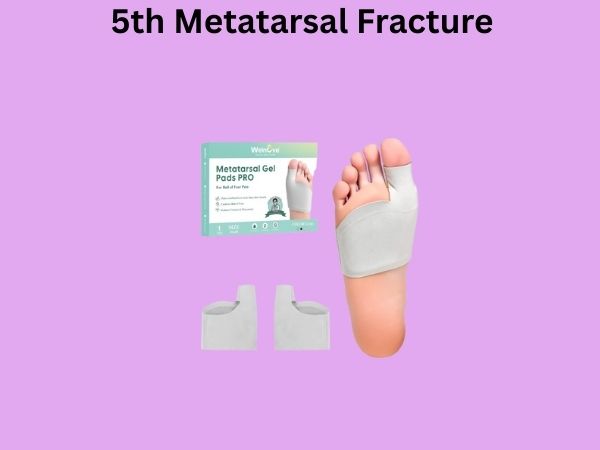
5th Metatarsal Fracture: How Long Do You Need to Wear a Boot?
If you’ve recently suffered a 5th metatarsal fracture, you’re probably wondering when you can finally ditch that bulky boot and get back to your normal life. Trust me, I understand the frustration. A broken fifth metatarsal can feel like your foot has been put on pause, and wearing a protective boot day in and day out gets old real fast. But here’s the thing—knowing exactly how long you’ll need that boot is crucial for your recovery, and honestly, it’s more nuanced than you might think.
Understanding the 5th Metatarsal and Why It Matters
Let me start by painting you a picture of what your fifth metatarsal actually is. Your foot has five long bones called metatarsals, and they run from your midfoot down to your toes. The fifth metatarsal? That’s the bone connected to your pinky toe, sitting on the outer edge of your foot. It’s small but mighty, and it bears more weight and stress than you’d expect during everyday activities like walking, running, or even just standing around.
Think of your metatarsals like the support beams of a house. If one beam cracks, the whole structure needs attention and time to heal properly. When your fifth metatarsal fractures, your entire gait changes because your foot instinctively tries to protect that injured area.
The Timeline: How Long Will You Actually Need the Boot?
Now, let’s get to the heart of your question. Most people with a fifth metatarsal fracture need to wear a protective boot for somewhere between four to twelve weeks. I know that’s a pretty wide range, and that’s because several factors influence how long you’ll be stuck in that boot. It’s not one-size-fits-all, unfortunately.
The Typical Recovery Window
For uncomplicated fifth metatarsal fractures—what doctors call “stress fractures” or simple breaks—you’re generally looking at four to six weeks in a boot. This assumes you’re following your doctor’s instructions, staying off your foot as much as possible, and not doing anything foolish like trying to run a marathon while you’re healing. Your body is pretty amazing at healing bone, but it needs time and protection to do its job right.
If your fracture is more severe or if you have complications, you might be wearing that boot for eight to twelve weeks or even longer. Some people with particularly complex breaks or those who don’t follow recovery protocols end up dealing with their boot situation for several months.
Acute Fractures Versus Stress Fractures
Here’s where things get interesting. There are different types of fifth metatarsal fractures, and they heal at different rates. An acute fracture—something you get from a sudden impact, like rolling your ankle or dropping something on your foot—typically heals faster than a stress fracture. Stress fractures develop gradually over time from repetitive pressure and overuse, and they can be stubborn about healing.
If you have an acute fracture, you might be looking at the shorter end of that timeline. But if you’ve been dealing with a stress fracture, your doctor might recommend extended boot wear because the bone integrity might be compromised in a way that needs more time to stabilize.
Factors That Influence Your Boot Timeline
So why does one person get out of their boot in six weeks while another person is still wearing one after three months? Let me walk you through the factors that make a real difference.
The Severity of Your Fracture
Not all fractures are created equal. A hairline crack is vastly different from a complete break where the bone pieces have shifted out of alignment. Your doctor will take X-rays to determine exactly how bad your fracture is, and this heavily influences how long you’ll need protective equipment.
A simple hairline fracture might only require six weeks of boot wear, while a fracture where the bone has shifted significantly might need twelve weeks or more. The more severe the break, the more time your body needs to knit those bone pieces back together into something strong enough to bear weight again.
Your Age and Overall Health
I hate to break it to you, but age matters when it comes to bone healing. Younger people typically heal faster than older people—it’s just biology. Your metabolism, bone density, circulation, and overall health all play roles in how quickly your body can repair that fracture.
If you have conditions like diabetes, osteoporosis, or poor circulation, your healing timeline might stretch out longer. Similarly, if you’re in great health with excellent nutrition and circulation, you might recover faster than average. Your doctor can give you a more personalized estimate based on your individual health profile.
How Well You Follow Doctor’s Orders
This one is huge, and honestly, it’s often the deciding factor. If you’re supposed to keep weight off your foot and you’re sneaking around trying to walk normally, you’re sabotaging your own healing. Every time you put pressure on that fractured bone before it’s ready, you’re essentially resetting the healing clock.
People who religiously follow their doctor’s instructions—wearing the boot consistently, using crutches when advised, keeping their foot elevated, and attending physical therapy—tend to recover faster and more completely. Those who try to rush things or cheat a little bit often find themselves stuck in the boot longer because they’ve set back their progress.
Your Activity Level During Recovery
What you do while wearing that boot matters significantly. If you’re sitting around taking it easy, elevating your foot, and generally being boring for a few weeks, your bone has the best chance to heal properly. But if you’re trying to stay active, pushing your limits, or doing weight-bearing exercises too soon, you’re asking for trouble.
Your doctor will likely give you specific guidance about what activities are safe during your recovery period. Following that guidance—even when it’s frustrating—will help you get out of that boot on schedule rather than extending your healing time.
Nutrition and Hydration
Here’s something people often overlook: what you eat actually affects how quickly your bones heal. Your body needs adequate protein, calcium, vitamin D, and other nutrients to build new bone tissue. If you’re malnourished or dehydrated, your body doesn’t have the raw materials it needs to repair that fracture efficiently.
During your recovery period, consider bumping up your intake of bone-healthy foods. We’re talking about calcium-rich dairy products, fatty fish with vitamin D, lean proteins, and plenty of fruits and vegetables. Staying well-hydrated also supports healing, so drink plenty of water.
What Happens During Your Boot-Wearing Weeks
Understanding what’s actually happening during your recovery can help you stay motivated and committed to the process, even when it feels tedious.
The First Two Weeks: Initial Healing Begins
Right after your fracture, your body goes into emergency mode. The area around the break becomes inflamed as your body’s healing response kicks into high gear. During these first couple of weeks, you’ll probably experience swelling, pain, and discoloration. Your boot is protecting the fracture and keeping bones aligned while your body forms initial scar tissue around the break.
During this phase, rest is absolutely critical. Your doctor will likely recommend keeping weight off the foot entirely, which means crutches or a knee scooter. Ice and elevation help manage the swelling, which is your body’s way of protecting the injury.
Weeks Two to Six: Callus Formation
As you move into weeks two through six, something remarkable happens. Your body starts forming what’s called a “callus”—not the kind on your foot from friction, but a temporary bone-like material that acts as a bridge across the fracture. This callus gradually becomes harder and stronger as calcium deposits accumulate.
During this phase, you might gradually start putting some weight on your foot, depending on your doctor’s instructions. Some people transition from crutches to walking with the boot around week three or four. You might feel some improvement in pain levels, though the bone is still relatively fragile at this point.
Weeks Six and Beyond: Remodeling and Strengthening
After around six weeks, the fracture site becomes increasingly stable. Your body begins the remodeling process, where the temporary callus transforms into mature bone tissue. This is when your doctor might clear you to start putting more weight on your foot or even transitioning out of the boot.
However—and this is important—just because the bone feels stronger doesn’t mean it’s completely healed. The remodeling process continues for weeks or even months after you stop wearing your boot. This is why your doctor might recommend continued physical therapy and gradual activity progression.
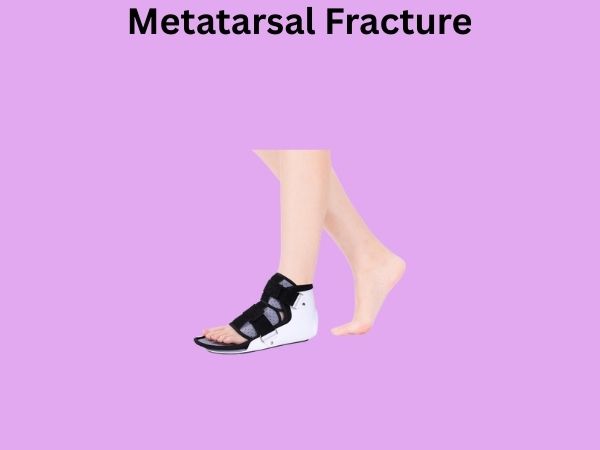
Signs You Might Be Able to Ditch the Boot
So how do you know when you’re ready to say goodbye to that boot? Your doctor will run tests and examine your foot, but here are some signs that healing is progressing well.
- Significantly reduced pain, especially pain that was initially sharp and severe
- Decreased swelling in the foot and ankle area
- X-rays showing callus formation and bone bridging across the fracture
- Ability to put weight on your foot without sharp pain
- Improved range of motion in your foot and ankle
- Decreased dependence on pain medication
- Better sleep quality because pain is no longer keeping you awake
When your doctor gives you the all-clear to remove the boot, don’t see that as a green light to return to full activity immediately. You’ll likely need a transition period where you gradually increase what you ask of your foot.
After the Boot: Transitioning Back to Normal Activity
Okay, so your doctor says you can stop wearing the boot. Does that mean you’re magically healed and can run a 5K next weekend? Not quite. Your transition out of the boot is just as important as your time wearing it.
The First Week Without the Boot
When you first start going without your boot, your foot will feel vulnerable—because it kind of is. The bone has healed, but it’s still relatively young and not quite as strong as it will eventually be. Your muscles in your foot and ankle have also weakened from weeks of immobility, so you’ll need to rebuild them gradually.
During your first week without the boot, expect to do mostly regular walking with some discomfort. Your foot might feel stiff, and you could experience some mild pain at the end of the day. That’s normal. Ice after activity and continued elevation when resting help manage any lingering swelling.
Progressive Activity Over Several Weeks
Over the next few weeks, you can gradually increase your activity levels. Start with short walks and build up duration. After a couple of weeks of walking, you might add light strengthening exercises. Physical therapy exercises can help rebuild ankle stability and foot strength that atrophied during your recovery.
Most people can return to light exercise like stationary cycling or swimming around two to three weeks after ditching the boot. Running and high-impact activities typically come later, usually around eight to twelve weeks after the initial injury, depending on your specific situation.
When to Worry About Re-injury
One of the biggest mistakes people make is doing too much too soon. Your fracture is healed, but the bone is still strengthening. Returning to intense exercise before you’re ready can cause re-injury, which is incredibly frustrating because it sends you right back to square one.
Watch for warning signs like increased swelling, sharp pain, or limping. If you notice these symptoms after activity, you’ve probably done too much too soon. Scale back your activity level and give your foot more time.
Special Considerations for Different Situations
If You Have a Jones Fracture
A Jones fracture is a specific type of fifth metatarsal break that occurs higher up on the bone and is notorious for being stubborn. These fractures often take longer to heal because that area has poorer blood supply. If you have a Jones fracture, expect to be in your boot for eight to twelve weeks, or potentially longer. Some Jones fractures don’t heal well with conservative treatment and might require surgery.
If You’re an Athlete
If you’re someone who trains regularly or competes in sports, a fifth metatarsal fracture feels like a personal betrayal by your own body. The good news is that most athletes can return to their sport after proper healing and rehabilitation. However, the timeline might be longer than for casual exercisers because you’ll need your foot to handle higher demands.
Athletes typically need to be cleared by their doctor and physical therapist before returning to sport-specific activities. You might be cleared for walking and general movement before you’re cleared to return to running, jumping, or cutting movements required by your sport.
If You Had Surgery
Sometimes fifth metatarsal fractures require surgery, especially if the bone fragments are significantly displaced or if a Jones fracture isn’t healing with conservative treatment. If you had surgery, your timeline might be a bit different. You’ll typically wear a boot for the same duration as non-surgical cases, but you might progress through activity levels more slowly because the surgical site needs time to heal in addition to the bone itself.
Managing Pain and Discomfort While Wearing Your Boot
Let’s be honest—wearing a protective boot for weeks isn’t fun. Here are some strategies to make the experience more bearable.
- Use the boot’s padding effectively by adjusting how snugly it’s fastened to reduce pressure points
- Wear moisture-wicking socks to keep your foot dry and reduce irritation
- Elevate your foot whenever possible to minimize swelling and discomfort
- Apply ice for fifteen to twenty minutes several times daily to manage pain and swelling
- Take over-the-counter pain relievers as recommended by your doctor
- Switch between your injured foot and crutches or a scooter to avoid overloading other parts of your body
- Keep your toenails neatly trimmed to prevent irritation inside the boot
- Maintain good foot hygiene to prevent infections or skin issues
When to Contact Your Doctor Again
During your recovery, certain situations warrant calling your doctor rather than just waiting it out. Don’t hesitate to reach out if you experience severe pain that doesn’t improve with rest and ice, signs of infection like increasing redness or warmth, excessive swelling that doesn’t respond to elevation and ice, or numbness or tingling that wasn’t present before.
Additionally, if you’re supposed to be improving but instead you’re getting worse, or if you have any doubts about whether you’re healing properly, call your doctor. It’s always better to be cautious with bone injuries.
Conclusion
A fifth metatarsal fracture isn’t a minor inconvenience—it’s a legitimate injury that requires proper time and care to heal correctly. In most cases, you’ll need to wear a protective boot for four to twelve weeks, depending on the severity of your fracture, your age, your health status, and how diligently you follow your doctor’s instructions.
The most important thing you can do is be patient with the process. I know it’s tempting to push your recovery and get back to normal life faster, but rushing things usually backfires and extends your healing time. Follow your doctor’s guidance, keep your foot protected, manage pain and swelling, and gradually progress your activity levels once you’re cleared to do so.
Remember, bone heals on its own timeline, not yours. The weeks you spend in that boot are an investment in getting back to a fully functional foot that will serve you well for decades to come. Stay committed to the process, and before you know it, that boot will be in your closet gathering dust.
Frequently Asked Questions
Can I shower or bathe while wearing my fifth metatarsal fracture boot?
Most protective boots are not fully