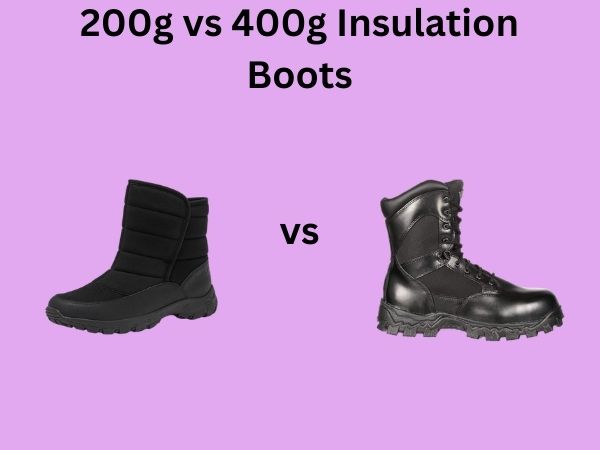
200g vs 400g Insulation Boots: Which Is Better for Winter?
When winter rolls around, choosing the right footwear can make or break your entire season. I’ve spent countless hours trudging through snow, ice, and bitter cold, and I can tell you from experience that insulation rating matters far more than most people realize. But here’s the thing—more insulation isn’t always better, and less insulation isn’t always worse. The question of 200g versus 400g insulation boots is actually more nuanced than you might think, and I’m here to break it down for you.
Let me start by saying this: picking between these two insulation levels is like choosing between a light jacket and a heavy parka. Both have their place, and both excel under different circumstances. By the time you finish reading this article, you’ll understand exactly which option suits your lifestyle, climate, and activities.
Understanding Boot Insulation: The Basics
Before we dive into the comparison, let’s establish what we’re actually talking about. Insulation in boots is measured in grams, and this measurement refers to the weight of insulation material packed into the boot. Think of it as the density of warmth-trapping material surrounding your foot.
The insulation works by creating air pockets within the material. These tiny air pockets are terrible at conducting heat away from your foot—which is exactly what you want. The more insulation you have, the more air pockets, and therefore the more heat retention. It’s simple physics, really.
What Does the Gram Rating Actually Mean?
You’ll often see insulation ratings like 200g, 400g, 600g, and even 1000g or higher. These numbers represent grams of insulation material per square foot. So when you see a boot rated at 200g, it means there’s 200 grams of insulation in every square foot of the boot’s interior.
Here’s what’s important to understand: this isn’t a linear scale of warmth. A 400g boot isn’t twice as warm as a 200g boot. The relationship is more complex because of how insulation materials compress and how your body’s heat distribution works. A 400g boot might be 30 to 50 percent warmer, depending on the quality of the insulation material itself.
Types of Insulation Materials
Not all insulation is created equal. The quality of the material matters just as much as the gram weight. Here are the most common types you’ll encounter:
- Thinsulate: This synthetic material is lightweight and excellent at trapping heat without adding bulk
- PrimaLoft: Another synthetic option that’s known for being water-resistant and compressible
- Down: Natural insulation that’s incredibly warm but struggles when wet
- Fleece: Budget-friendly option that provides moderate insulation
A 200g boot made with premium Thinsulate might actually outperform a 400g boot made with cheaper fleece. This is why you can’t just look at the number—you need to consider the material too.
200g Insulation Boots: The Lighter Option
Let me be honest with you: 200g insulation boots are the sweet spot for many winter enthusiasts. They’re not the warmest option available, but they offer something equally valuable—versatility.
When 200g Makes Sense
I’d recommend 200g boots for you if you live in a region where winter temperatures don’t plummet below zero Fahrenheit. These boots shine when temperatures hover between 0 and 20 degrees, especially if you’re staying reasonably active.
Think about your typical winter day. You’re probably not standing still outside for hours on end. You’re walking to your car, running errands, maybe enjoying some moderate outdoor activities. In these scenarios, 200g insulation provides plenty of protection while keeping your feet comfortable and not overheated.
The Comfort Factor
One advantage that often gets overlooked is the fit. 200g boots tend to be slimmer and more flexible than their 400g cousins. This means better control when you’re walking, more natural movement, and a boot that doesn’t feel like you’re wearing a block of concrete on your feet.
Additionally, 200g boots are lighter. If you’re someone who notices weight in your footwear, this matters. Your feet have to carry these boots all day long, and a couple extra pounds of insulation can lead to fatigue by day’s end.
Breathability and Moisture Control
Here’s something counterintuitive: less insulation sometimes means better moisture management. With 200g boots, your feet are less likely to overheat and sweat excessively during moderate activity. Excessive sweating actually works against you because wet feet get cold feet, even with insulation.
If you’re planning to be active in your boots—hiking, walking around town, winter sports—200g might actually keep your feet warmer and drier than 400g because your feet won’t be swimming in sweat inside a heavily insulated cocoon.
400g Insulation Boots: The Heavy-Duty Option
Now let’s talk about the heavy hitters. 400g boots are the choice for serious winter warriors who face extreme conditions or who value maximum warmth above all else.
When 400g Is Necessary
If your winters regularly dip below zero Fahrenheit, if you work outside for extended periods, or if you’re sitting still in cold conditions for hours, 400g insulation is what you need. This is also the right choice if you live in truly arctic climates where brutal cold is the norm rather than the exception.
I think about construction workers, outdoor photographers, and people who fish through ice—these folks aren’t moving around constantly, and their feet are taking the brunt of serious cold exposure. For them, 400g isn’t optional; it’s essential.
Superior Cold Protection
The primary advantage of 400g boots is straightforward: they keep your feet warmer in extreme conditions. The extra insulation creates more thermal resistance between your foot and the frigid ground or air outside. In truly brutal conditions, this extra protection can make the difference between comfortable feet and cold, miserable feet that potentially suffer from frostbite.
When temperatures drop significantly, 400g boots prove their worth. Your feet will remain toasty warm even during extended outdoor exposure in harsh winter weather.
The Trade-offs
Here’s where I need to be honest about the downsides. 400g boots are noticeably bulkier. This affects how they fit in many shoe sizes and styles. You might find it harder to find a pair that fits well, and the fit you do find might feel snug rather than comfortable.
Weight is another consideration. 400g boots weigh more, and if you’re wearing them all day, you’ll feel that extra weight. It’s not dramatic, but it’s noticeable, and over the course of a day, it adds up to more fatigue.
Additionally, 400g boots can actually be too warm for moderate winter activities. If you’re moving around consistently and generating body heat, you might find your feet overheating despite being outside in cold weather. This creates sweat, which then makes your feet cold when you stop moving.
Comparing Warmth Ratings Side by Side
Let me give you practical temperature ranges for each option. These are generalizations based on typical boot construction and assuming you’re wearing appropriate socks.
200g Boot Temperature Range
A quality 200g boot is comfortable down to approximately 0 to 20 degrees Fahrenheit when you’re moderately active. If you’re standing still, you might start feeling cold around 10 degrees. If you’re very active and generating significant body heat, you could be comfortable even at negative temperatures.
400g Boot Temperature Range
A quality 400g boot remains comfortable down to approximately negative 20 to negative 30 degrees Fahrenheit, even with minimal activity. In extreme cold, you could potentially stay comfortable at even lower temperatures. If you’re moderately active, you could be fine in these boots at temperatures that would make 200g boots uncomfortable.
The Real-World Difference
In practical terms, here’s what matters: if you’re in typical winter conditions (20 to 40 degrees), you probably won’t notice much difference between the two. Both will keep your feet warm and comfortable. The differences become apparent when temperatures drop below zero or when you’re dealing with extended periods of inactivity in cold conditions.
Factors That Influence Your Choice
Choosing between 200g and 400g isn’t just about temperature. Several other factors should influence your decision.
Your Local Climate
Where you live is perhaps the most important factor. If you’re in the northern parts of Canada, Alaska, or Minnesota with consistently brutal winters, 400g makes sense. If you’re in milder winter climates—think southern Canada, northern US states, or even parts of the UK—200g will likely serve you well.
How Active You’ll Be
Consider what you’ll actually be doing in these boots. Are you hiking and moving around constantly, or are you standing outside watching your kid’s soccer game? Activity level dramatically affects how much insulation you need. More activity means you generate more body heat, so you need less insulation to stay warm.
Duration of Outdoor Exposure
How long you spend outside matters. Quick trips to the mailbox? 200g is fine even in cold weather. Working outside for eight hours? 400g becomes much more attractive, especially if you’re not constantly moving.
Your Personal Cold Tolerance
Let’s be real: some people are naturally warmer-bodied than others. If you’re someone who rarely feels cold, 200g might be plenty. If you’re someone who shivers easily, 400g might be your best friend even in moderately cold weather.
Sock Thickness and Quality
The insulation value of your boots doesn’t exist in a vacuum. What you put inside matters. High-quality wool socks or synthetic thermal socks add insulation value. If you’re wearing quality thermal socks, you might not need as much boot insulation. If you’re wearing thin cotton socks, you might need the extra warmth from 400g insulation.
Moisture and Water Resistance: A Critical Consideration
Here’s something that surprises many people: waterproofing is just as important as insulation. A soaking wet 400g boot might actually be colder than a dry 200g boot because water conducts heat away from your foot incredibly efficiently.
Both 200g and 400g boots can be waterproof or water-resistant. Don’t assume that heavier insulation automatically means better moisture protection. Look for boots with quality waterproof membranes regardless of insulation level. Materials like Gore-Tex or similar technologies will keep moisture out while still allowing some breathability.
Price Considerations
Generally speaking, 200g boots cost less than 400g boots. Not always, but it’s a common pattern. If budget is a significant factor in your decision, 200g boots offer excellent value, especially if they match your climate needs.
However, don’t let price alone drive your decision. A cheap 400g boot that doesn’t fit well might be worse than a quality 200g boot that feels perfect on your foot. Comfort matters enormously because uncomfortable boots won’t get worn, making them worthless regardless of how warm they are.
Trying Before You Buy: The Smart Approach
Whenever possible, try boots on before purchasing. Here’s how to test them properly:
- Wear the socks you’ll actually wear in winter—not thin dress socks
- Walk around the store for at least 10 to 15 minutes
- Make sure there’s about a thumb’s width of space between your longest toe and the boot end
- Check that your heel doesn’t slip when you walk
- Pay attention to how the boot feels at the ankle and sides of your foot
If you’re buying online, invest in a retailer with a good return policy so you can send them back if they don’t work for you.
Real-World Performance: What Users Report
Based on countless user reviews and my own experience talking with winter boot wearers, here’s what I’ve learned:
200g Boot Users Say
People who choose 200g boots consistently report being happy with their choice as long as they live in appropriate climates. They appreciate the lighter weight, better fit options, and the fact that their feet don’t overheat during active use. The common complaint comes from those in extremely cold climates who find 200g insufficient.
400g Boot Users Say
Those who go with 400g boots tend to love them for serious winter conditions. They report confidence in extreme cold and appreciate not having to worry about their feet getting cold. The complaints usually focus on bulk and weight, and sometimes about feeling too warm during moderate activity.
Should You Own Both?
Here’s a thought that might seem extravagant: if you have the budget and your winters span a wide temperature range, owning both types of boots isn’t crazy. You could wear 200g boots during moderate winter days and switch to 400g boots when serious cold arrives or when you’ll be stationary in cold conditions.
This approach gives you the versatility to be comfortable year-round without compromising on comfort or paying for more insulation than you need most of the time.
Key Differences at a Glance
Let me summarize the main differences so you have them clearly in mind:
- Weight: 200g boots are lighter and easier to wear all day
- Bulk: 200g boots have a slimmer profile and better fit options
- Temperature Range: 400g boots handle lower temperatures better
- Cost: 200g boots are typically more affordable
- Versatility: 200g boots work better for active winter pursuits
- Extreme Cold: 400g boots are necessary for truly brutal conditions
Making Your Final Decision
Here’s my practical recommendation based on your situation:
Choose 200g if: You live where winter temperatures rarely drop below zero, you plan to be moderately active in your boots, you value comfort and fit over maximum warmth, or you want lighter boots that don’t cause foot fatigue. This is also the right choice if you’re willing to layer clothing and socks rather than relying entirely on boot insulation.
Choose 400g if: You live in a region with consistently brutal winters, you’ll spend extended periods stationary in cold conditions, you work outside, or you’re the type who gets cold easily and wants maximum security against foot discomfort.
Choose both if: You have the budget and want ultimate versatility across your entire winter season.
Conclusion
There’s no universal answer to whether 200g or 400g insulation boots are better. The right choice depends entirely on your climate, your activity level, your personal cold tolerance, and your lifestyle. Both options can serve you excellently if you match them to your actual needs.
The most important thing is to avoid over-insulating or under-insulating. Too little insulation and your feet get cold. Too much insulation and you’re carrying unnecessary weight while dealing with potential moisture issues from overheating. The sweet spot is when your boots are warm enough for your conditions but not so heavy and bulky that they become uncomfortable.