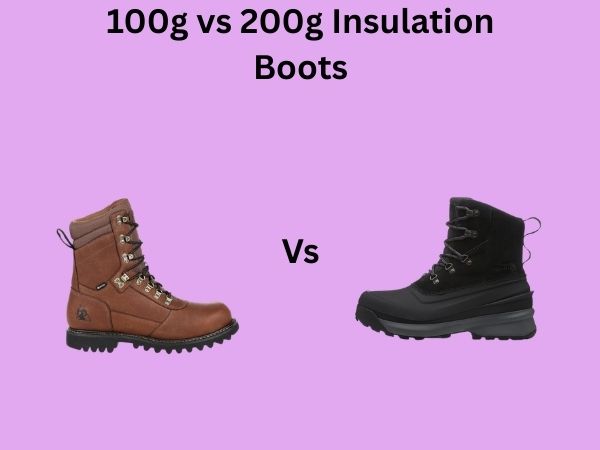
100g vs 200g Insulation Boots: How Much Warmth Do You Need?
When winter rolls around and temperatures start dropping, one of the first things on your mind is probably keeping your feet warm and protected. But here’s the thing—not all insulation is created equal, and choosing between 100g and 200g insulation boots can feel like you’re trying to decode a secret language. The difference might seem like just a number, but it actually makes a significant impact on how your feet feel when you’re trudging through snow or standing outside in freezing conditions.
I’ve spent countless winters testing different boot options, and I can tell you that understanding insulation thickness is one of the smartest investments you can make in your winter comfort. So let’s break down exactly what these numbers mean and help you figure out which option is right for your lifestyle.
Understanding Boot Insulation: What Does 100g and 200g Actually Mean?
First things first—let’s demystify what these numbers actually represent. When manufacturers talk about insulation thickness in boots, they’re measuring the weight of the insulation material in grams per square meter. It’s not about the overall boot weight; it’s specifically about how much insulating material is packed into the structure of the boot.
Think of it like layers of blankets on your bed. A single thin blanket provides some warmth, but pile on two thick blankets and you’re creating a much more effective barrier against the cold. The 100g and 200g measurements work in a similar way—more insulation means more resistance to cold temperatures.
The Science Behind Insulation Materials
The most common insulation materials you’ll encounter in modern boots are synthetic materials like Thinsulate or down alternatives. These materials work by trapping tiny pockets of air, and those air pockets are what actually keep your feet warm. The more insulation you have, the more air pockets you’re creating, which means better heat retention.
What’s interesting is that the insulation itself doesn’t generate heat—your body does. The insulation simply slows down the rate at which your body heat escapes. It’s like having a really good thermos that keeps your hot coffee warm for hours. The thermos isn’t making new heat; it’s just preventing the existing heat from escaping too quickly.
100g Insulation Boots: When Less Might Be More
Let me start by saying that 100g insulation boots are no joke. They provide genuine warmth and protection, and they’re actually the right choice for many people and situations. These boots are particularly popular for a reason—they strike a balance between warmth and practicality.
Who Should Consider 100g Insulation?
If you’re someone who lives in a climate where winters are mild to moderate, 100g insulation boots are probably your sweet spot. We’re talking about regions where temperatures rarely drop below 20 degrees Fahrenheit, or places where you’re mostly dealing with wet conditions rather than extreme cold.
- Urban dwellers who spend most of their time indoors or commuting short distances
- People who engage in high-activity winter sports that generate body heat
- Those with naturally warm feet or good circulation
- Anyone living in transitional seasons where you need versatility
- Individuals who find heavier boots uncomfortable or restrictive
The Advantages of Lighter Insulation
One of the biggest advantages of 100g insulation boots is their weight. These boots tend to be noticeably lighter than their 200g counterparts, which means less fatigue in your legs and feet, especially if you’re on your feet all day. I know people who swear by lighter boots because they can move around more freely without feeling weighed down.
Another benefit is breathability. While 100g insulation still provides protection, it doesn’t completely lock in moisture like thicker insulation sometimes can. This makes them excellent if you’re going to be active and generating sweat, because the boots can allow some moisture to escape rather than creating a sauna inside your footwear.
Temperature Range for 100g Boots
Most manufacturers recommend 100g insulation for temperatures ranging from about 20 to 40 degrees Fahrenheit. But honestly, this can vary significantly based on your individual factors. Your activity level, how dry your feet stay, your body’s natural heat production, and even your clothing choices all play a role in how warm you’ll feel.
200g Insulation Boots: Maximum Protection for Extreme Conditions
Now, let’s talk about the heavyweight champion of boot insulation. 200g insulation boots are the serious contenders when you’re facing down brutal winter conditions. These boots don’t mess around.
Who Absolutely Needs 200g Insulation?
If you live somewhere that winter temperatures regularly dip below zero, or if your job requires you to spend extended periods outside in harsh conditions, 200g insulation isn’t a luxury—it’s a necessity. Let me give you some examples of who typically goes this route:
- People living in northern climates or high-altitude regions
- Construction workers, mail carriers, and other outdoor professionals
- Serious winter hikers and mountaineers
- Anyone who tends to have cold feet or poor circulation
- Those planning extended outdoor winter activities
The Real-World Benefits of Extra Insulation
The primary benefit of 200g insulation is straightforward: maximum warmth. When you’re standing outside at 10 degrees Fahrenheit for extended periods, that extra insulation becomes your best friend. You’re essentially wearing a thermal fortress around your feet.
I’ve tested 200g boots in genuinely brutal conditions, and the difference is tangible. Your feet stay warm for longer, and you don’t experience that creeping cold that gradually seeps through lighter insulation. It’s the peace of mind that comes with knowing you’re adequately protected.
Temperature Range for 200g Boots
Manufacturers typically rate 200g insulation for temperatures as low as minus 40 degrees Fahrenheit, though practical experience suggests they perform excellently down to around minus 20 or minus 30. The exact performance depends on other factors like boot construction, sole thickness, and how well the boots seal around your ankle.
Comparing the Two: Side-by-Side Analysis
Let’s put these two options head-to-head so you can see exactly what trade-offs you’re making with each choice.
Weight and Comfort Comparison
This is where 100g boots really shine. A pair of 100g insulation boots will typically weigh anywhere from 1 to 1.5 pounds less than comparable 200g boots. That might not sound like much, but when you’re wearing boots all day long, your feet definitely notice. The lighter weight means less strain on your legs, easier movement, and generally less fatigue by the end of the day.
However, if comfort is your primary concern, we need to acknowledge that 200g boots aren’t uncomfortable—they’re just heavier. Some people actually prefer the more substantial feel of heavier boots because it feels more protective and secure.
Breathability and Moisture Management
100g insulation boots typically offer superior breathability compared to 200g options. This makes them better suited for situations where you’ll be generating body heat through activity. If you’re cross-country skiing or hiking, the lighter insulation allows more moisture vapor to escape, which keeps your feet drier and ultimately warmer.
200g boots, with their denser insulation, don’t breathe quite as well. This can actually be an advantage in static conditions where you’re not generating much body heat, but it’s a disadvantage if you’re moving around and sweating.
Temperature Performance
This is the most important comparison, and it’s actually pretty clear-cut. 200g insulation keeps your feet warm in much colder temperatures. If you need boots for extreme cold, 100g simply won’t cut it. The extra insulation layer in 200g boots creates a more substantial barrier against heat loss, and there’s no getting around that physics.
Cost Difference
Generally speaking, 200g insulation boots cost more than 100g boots. The extra material and engineering required to create the additional insulation layer adds to the manufacturing cost. How much more? Usually anywhere from 20 to 40 percent additional cost, depending on the brand and quality level.
Key Factors Beyond Insulation Thickness
Here’s something that a lot of people don’t realize: insulation thickness isn’t the only factor that determines how warm your boots will be. Other elements matter just as much, sometimes even more.
Boot Construction and Materials
The overall construction of the boot significantly impacts its warmth. For example, a boot with a thick rubber sole and waterproof leather upper will retain heat better than a poorly constructed boot with thin soles, regardless of insulation thickness. The quality of the materials, the craftsmanship, and attention to detail all matter tremendously.
Waterproofing Quality
A wet boot is a cold boot. Period. No amount of insulation can compensate for water seeping into your footwear. When water gets inside, it conducts heat away from your skin 25 times faster than air does. This is why waterproofing is absolutely critical. Check whether the boot uses a waterproof membrane like Gore-Tex, sealed seams, and waterproof leather treatment.
Sole Thickness and Material
Don’t overlook the importance of the sole. A thick rubber sole provides insulation from the ground, which is just as important as insulation on the sides and top of the boot. The ground is often colder than the air, so that direct contact point is where a lot of heat loss occurs. Soles made from materials like rubber or foam are better insulators than leather soles.
Fit and Insulation Effectiveness
Even the best insulation won’t help if your boots don’t fit properly. Boots that are too tight restrict blood circulation, which actually makes your feet colder. Conversely, boots that are too loose allow warm air to move around inside them, reducing their effectiveness. You want a snug fit that doesn’t restrict circulation.
Your Activity Level Matters More Than You Think
One of the biggest mistakes people make when choosing boots is not considering what they’ll actually be doing while wearing them. Your activity level fundamentally changes which insulation thickness makes sense for you.
Stationary or Low-Activity Use
If you’re standing around in the cold—like working at an outdoor event, standing on a ski lift, or waiting for a bus—you’re not generating much body heat. In these situations, heavier insulation is genuinely beneficial. You’re not sweating, so breathability isn’t a major concern, and you need all the thermal protection you can get. This is where 200g boots excel.
Active Outdoor Pursuits
On the flip side, if you’re going hiking, skiing, or doing anything that gets your heart pumping and your body generating heat, the situation changes. All that activity means you’re producing significant body heat, and you might actually be sweating inside your boots. In these scenarios, 100g insulation combined with good breathability might actually keep your feet warmer by managing moisture better than heavier insulation would.
Climate Considerations: Where You Live Matters
Your geographical location should heavily influence your decision. It’s obvious, but let’s get specific about it.
Mild Winter Climates
If you live somewhere like the Pacific Northwest, coastal areas, or other regions where winter temperatures rarely dip below 20 degrees, 100g insulation boots are absolutely adequate. You’re dealing with wet cold rather than dry cold, and having insulation that breathes well to manage moisture is actually more important than maximum thermal insulation.
Moderate Winter Climates
Places like the upper Midwest, Northeast, or similar regions see regular temperatures in the teens and single digits. This is the zone where either option can work, and your personal factors become more important than the climate itself. This is where that personal preference and lifestyle consideration really comes into play.
Extreme Winter Climates
If you live in Alaska, northern Canada, or similar extreme climates where temperatures regularly reach minus 20 or colder, 200g insulation boots aren’t optional—they’re essential. Anything less, and you’re genuinely risking frostbite and other cold-related injuries.
Making Your Final Decision: A Practical Framework
Let’s create a simple framework to help you decide which option is right for you. Ask yourself these questions honestly:
Question One: What Are Your Typical Winter Temperatures?
If temperatures rarely go below 20 degrees, lean toward 100g. If they regularly dip to single digits or colder, seriously consider 200g. This is the most important factor.
Question Two: How Will You Use These Boots?
Will you be moving around actively, or standing still for extended periods? Active use favors 100g; static use favors 200g.
Question Three: How Are Your Feet Naturally?
Do you tend to run cold or warm? Are you prone to poor circulation? If you naturally have cold feet, go with 200g. If you tend to run warm, 100g is probably fine.
Question Four: What’s Your Budget?
If budget is tight, 100g boots are more affordable and work fine for milder winters. If you can stretch the budget, 200g gives you more versatility and longevity across multiple winters.
Real-World Scenarios: Which Boot for What Situation?
Let me paint some specific scenarios to help crystallize this decision for you.
Scenario One: Urban Commuter
Sarah walks to work in Boston most days during winter, about 15 minutes each way, and spends most of her day indoors in a heated office. For her, 100g insulation boots are perfect. She’s moving around regularly, temperatures are moderate, and she doesn’t need maximum insulation. She’d probably find 200g boots unnecessarily heavy and sweaty.
Scenario Two: Outdoor Worker
James is a construction worker in Minnesota who’s outside for eight hours a day in winter. He stands around, bends down, moves slowly—he’s not running around generating lots of body heat. For him, 200g insulation is the right call. He needs serious protection because he’s exposed to the cold for extended periods with moderate activity levels.
Scenario Three: Winter Sports Enthusiast
Marcus loves backcountry skiing and spends weekends in the mountains during winter. Even though temperatures get quite cold at elevation, Marcus is moving constantly and generating lots of body heat. For him, 100g boots with excellent breathability actually work better than 200g boots because they manage the moisture from his activity better.
Conclusion
The choice between 100g and 200g insulation boots doesn’t have a universal right answer. It depends on where you live, how you’ll use the boots, your personal physiology, and your budget. 100g insulation boots are excellent for mild to moderate winters and active use—they’re lighter, more affordable, and breathe better. 200g insulation boots are the clear winner for extreme cold, stationary outdoor work, and anyone with naturally cold feet.
The most important thing is to be honest with yourself about your actual needs rather than defaulting to maximum insulation “just in case.” A 100g boot that you’ll actually wear comfortably all winter is infinitely better than a 200