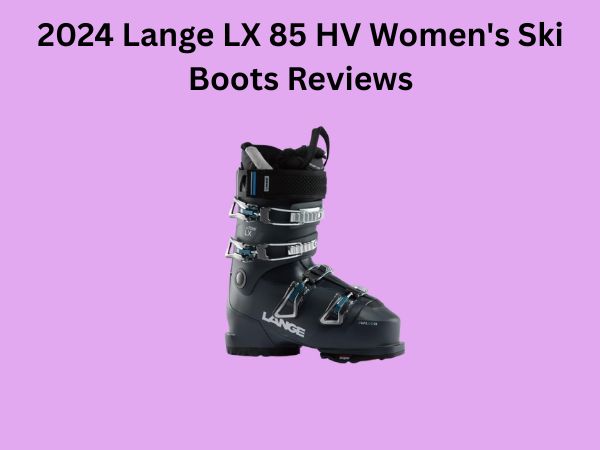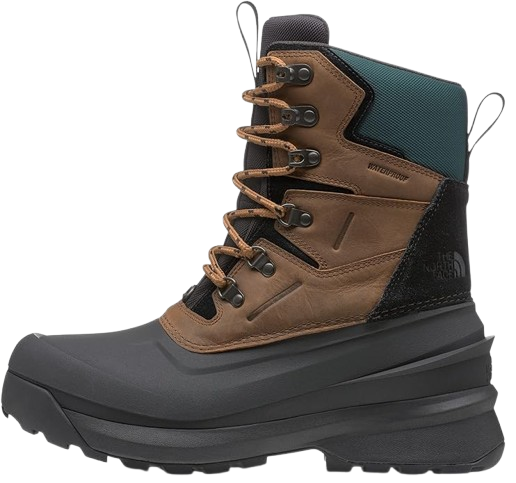
400 vs 800 Gram Boots: How Much Insulation Do You Really Need?
When you’re standing in the middle of a winter gear store staring at boot after boot, all promising to keep your feet warm and cozy, you might find yourself asking: what’s the real difference between a 400 gram boot and an 800 gram boot? Is more insulation always better, or are you just paying extra weight for features you don’t actually need? Let me walk you through this decision, and by the end, you’ll know exactly which boot is right for your lifestyle.
Understanding Boot Insulation Ratings: The Basics
Before we dive deep into the specifics, let’s talk about what these gram measurements actually mean. The number you see on a boot—whether it’s 400, 600, or 800 grams—refers to the weight of insulation material inside the boot. Think of it like this: if 400 grams is a light winter jacket, then 800 grams is more like a heavy parka. Both keep you warm, but they do it in different ways and under different conditions.
The insulation in boots typically comes from synthetic materials like Thinsulate, PrimaLoft, or natural down. These materials trap air and body heat, creating a barrier against the cold. The more grams of insulation, the thicker that barrier becomes, and generally speaking, the warmer your feet will stay in extreme temperatures.
What Do These Gram Ratings Actually Measure?
Here’s something important that often gets overlooked: the gram rating measures the weight of the insulation material, not necessarily its warmth factor. Two different types of insulation can have the same gram weight but perform differently depending on their material composition and density. Modern synthetic insulations are incredibly efficient, meaning less weight can sometimes equal the same warmth as older, heavier materials.
The 400 Gram Boot: Versatility Meets Practicality
A 400 gram insulated boot is your jack-of-all-trades option. These boots are perfect if you live in a climate where winter temperatures hover between 20 and 40 degrees Fahrenheit, or if you’re someone who’s always on the move and generates plenty of body heat through activity.
When 400 Grams Is Your Sweet Spot
- You live in a region with mild to moderate winters
- You’re planning outdoor activities like hiking or walking rather than standing still
- You want boots that won’t feel heavy or bulky on your feet
- You prefer a lighter boot that’s easier to pack or transport
- You work in an environment where you move around frequently
The beauty of 400 gram boots is their flexibility. They’re warm enough for most winter activities, yet they don’t leave your feet feeling like you’re wearing blocks of concrete. If you’re hiking, snowshoeing, or doing anything where your feet are generating their own warmth through movement, this insulation level is usually perfect. You’re not going to overheat, but you’re getting solid protection against cold.
The Advantages of Lighter Insulation
One major benefit you get with 400 gram boots is reduced fatigue. Your feet and legs don’t have to work as hard to lift the extra weight with each step. Over a full day of activity, this really adds up. People who spend hours on their feet often report that lighter boots actually keep them warmer because they can stay active longer without getting tired.
Another advantage is breathability. Lighter insulation means better moisture management, which is crucial because sweaty feet are cold feet. If you tend to sweat, even in winter, a 400 gram boot might actually perform better for you than a heavier option because it won’t trap excess moisture.
Potential Drawbacks of 400 Gram Insulation
The downside is obvious: if you’re sitting still in extreme cold, a 400 gram boot might not cut it. If you’re standing around a campfire in sub-zero temperatures or waiting for a bus in a harsh winter climate, your toes might start complaining after an hour or two. These boots are made for movement and moderate cold, not extreme conditions.
The 800 Gram Boot: Maximum Protection for Maximum Cold
Now let’s talk about the 800 gram boot—basically the heavyweight champion of insulation. These boots are designed with one purpose in mind: keeping your feet warm in the coldest, most brutal conditions Mother Nature can throw at them.
When 800 Grams Makes All the Difference
- You live in a climate where temperatures regularly drop below zero Fahrenheit
- You’ll be standing outside for extended periods
- You work outdoors in winter, whether that’s construction, hunting, or emergency services
- You’re planning a winter camping trip or Arctic adventure
- You have poor circulation and struggle to keep your feet warm regardless of activity level
If you’re someone who values toasty toes above all else, and you don’t mind the extra weight, then 800 gram boots are your answer. These boots are built for stationary use in extreme cold. Standing around fishing on a frozen lake? Perfect. Working outside during a harsh winter? These are your friends. Heading to a cabin in the Canadian wilderness? Definitely bring 800 gram boots.
The Advantages of Heavy Insulation
The primary advantage is thermal protection in extreme conditions. You get maximum warmth retention, which means your feet stay comfortable even when the mercury drops far below freezing. This is especially valuable if you’re not moving around much and generating body heat naturally.
Additionally, 800 gram boots typically have more sophisticated insulation technology packed into them. Manufacturers often use higher-quality materials in heavier boots, along with additional features like reflective linings or moisture barriers. You’re getting a premium product that’s built to last through multiple harsh winters.
The Drawbacks of Heavy Insulation
Weight is the enemy here. An 800 gram boot is noticeably heavier than a 400 gram boot, and that weight adds up over the course of a day. Your legs get tired faster, and if you’re someone who hikes or does anything requiring sustained activity, this extra weight becomes a genuine burden.
There’s also the issue of overheating. In a heated car, at an indoor shopping mall, or during vigorous activity, an 800 gram boot can actually make your feet sweat. Sweaty feet in winter boots is a disaster because moisture conducts cold incredibly efficiently. Your feet end up colder than they would have been with less insulation. It’s counterintuitive, but it’s real.
Comparing Performance in Different Scenarios
Scenario One: Winter Hiking
You’re planning a day hike through snowy trails where temperatures are around 25 degrees Fahrenheit. In this scenario, 400 gram boots are likely your best choice. You’ll be moving constantly, generating body heat, and the lighter weight means you can cover more ground without fatigue. The 800 gram boot would feel like overkill and would tire your legs unnecessarily.
Scenario Two: Ice Fishing
Now imagine you’re standing on a frozen lake for eight hours straight in ten-degree weather. You’re barely moving, and your feet aren’t generating heat through activity. Here’s where 800 gram boots shine. The extra insulation keeps your toes warm while you’re stationary, and the lack of movement means the extra weight isn’t as much of a factor.
Scenario Three: Casual Winter Activities
You’re going shopping, running errands, and doing general winter stuff with temperatures in the 30s. A 400 gram boot handles this beautifully. You’ll be moving between stores, your feet will stay warm, and you won’t feel bogged down by heavy boots.
Scenario Four: Extreme Arctic Conditions
You’re in a situation with sustained sub-zero temperatures where you might be outside for hours with minimal activity. This is the 800 gram boot’s moment to shine. The extra insulation isn’t a luxury here—it’s essential for preventing frostbite and keeping your feet functional.

The Role of Boot Construction Beyond Insulation
Here’s something many people overlook: the insulation gram rating is only part of the warmth equation. Other factors matter tremendously.
Sole Quality and Design
The bottom of your boot is critical. A thick, well-insulated sole that doesn’t conduct cold from the frozen ground can make more difference than you’d expect. Some 400 gram boots with exceptional sole construction outperform 800 gram boots with mediocre soles. Look for boots with insulated soles that reduce ground-cold transmission.
Moisture Barrier Technology
A good moisture barrier (like Gore-Tex) can dramatically improve how a boot performs. This technology lets sweat escape while keeping water out. A 400 gram boot with excellent moisture management can feel warmer than an 800 gram boot that traps moisture inside. Moisture is your enemy in cold weather, and a good barrier keeps it at bay.
Fit and Circulation
A poorly fitting boot, no matter how much insulation it has, will leave your feet cold. A loose boot allows cold air to circulate inside, which counteracts the insulation. A boot that’s too tight restricts blood flow, also making your feet cold. The right fit is essential for any insulation level to work effectively.
Weight Considerations and Your Lifestyle
The difference in weight between 400 and 800 gram boots is significant—we’re talking about an extra 400 grams per boot, or roughly 25 ounces for both boots combined. That might not sound like much, but consider this: your legs have to lift that extra weight with every single step.
Daily Fatigue and Long-Term Comfort
Studies on hiking and outdoor work show that heavier footwear increases leg fatigue and can reduce how long people can comfortably stay active. If you’re someone who’s on your feet for eight hours a day, the lighter boot might actually result in less overall fatigue and better temperature regulation because you can stay active longer.
Travel and Portability
If you’re a traveler or someone who moves between different climates, a 400 gram boot is more practical. It’s lighter to pack, and you can layer your socks more easily to adjust warmth. An 800 gram boot takes up more luggage space and weighs more, which matters if you’re flying or hiking long distances.
Price Differences and Value
Generally speaking, 800 gram boots cost more than 400 gram boots. The extra insulation material, the more sophisticated construction, and the premium materials all add to the price tag. Before spending the extra money, ask yourself: will you actually be in the conditions where that extra insulation makes a difference?
Sometimes the smartest move is buying a 400 gram boot and pairing it with excellent thermal socks. This combination often costs less than an 800 gram boot and gives you more flexibility to adjust your warmth level based on the day’s conditions.
Hybrid Options and Modern Alternatives
It’s worth noting that the market has evolved. Many modern boots now come in 600 gram options, which offer a middle ground. There are also boots with adjustable insulation levels, though these are less common. Additionally, some premium 400 gram boots with cutting-edge insulation materials perform comparably to older 800 gram boots from years past.
The Technology Factor
Modern synthetic insulation is genuinely better than it was ten years ago. A well-made 400 gram boot today might outperform an 800 gram boot from a decade ago. When shopping, don’t just look at the gram rating—look at the insulation type and the boot’s temperature rating if available.
How to Choose Between 400 and 800 Gram Boots
Making the right choice comes down to answering some honest questions about your lifestyle and needs.
Ask Yourself These Questions
- What are the coldest temperatures I’ll regularly experience?
- Will I be mostly active or mostly standing still?
- How many hours per day will I be wearing these boots?
- Do I tend to have cold feet or warm feet naturally?
- Will I be doing any activities where weight matters (hiking, climbing)?
- Do I sweat easily or have dry feet?
- How many pairs of winter boots do I plan to own?
Your answers to these questions will guide you toward the right choice. If you’re mostly active in moderate cold, go with 400 grams. If you’re stationary in extreme cold, go with 800 grams. If you’re somewhere in between, think about what activities matter most to you and prioritize accordingly.
Real-World Testing and Recommendations
The best way to know if a boot is right for you is to test it in actual conditions. Many outdoor retailers have return policies specifically for this reason. Wear the boots in your regular winter conditions for a week, and pay attention to whether your feet stay comfortably warm or if you find yourself wishing for more or less insulation.
Talk to people who live in your area and do similar activities. Local knowledge is invaluable. Someone who actually spends winters in your climate can tell you whether 400 grams is sufficient or if you need more insulation.
Seasonal Transitions and Versatility
If you live somewhere with variable winter weather, a 400 gram boot offers more versatility across the season. Early winter and late winter are often warmer than peak winter, and a lighter boot might be perfect for those periods. An 800 gram boot is overkill during these times and can lead to overheating and sweat buildup.
Consider owning boots in different insulation levels if you can. Having both 400 and 800 gram boots gives you flexibility to choose based on conditions, activity level, and time spent outside.
Care and Maintenance Affect Longevity
Regardless of which boot you choose, proper care extends its life. Clean your boots regularly, let them dry slowly (never by direct heat), and store them properly during off-season. Well-maintained boots keep their insulation properties intact and actually perform better over time. A properly cared-for 400 gram boot might last as long as an 800 gram boot that’s neglected.
Conclusion
The question of whether you need 400 or 800 gram boots doesn’t have a one-size-fits-all answer. It depends entirely on your climate, your activity level, how long you’ll be outside, and what activities matter most to you. A 400 gram boot is perfect for active people in moderate winter conditions who value lighter weight and versatility. An 800 gram boot is ideal for those who’ll be stationary in extreme cold and don’t mind the extra weight. Most people discover that 400 grams covers their actual needs, and the lighter boot becomes their go-to choice for season after season. But if you live in a harsh climate or spend significant time in extreme cold conditions, the extra insulation in an 800 gram boot might genuinely be worth it. The key is being honest about your actual lifestyle and choosing accordingly rather than just assuming that more insulation automatically means a better boot.
Frequently Asked Questions
Can I wear 400 gram boots in below-zero temperatures if I keep moving?
Yes, you can wear 400 gram boots in below-zero temperatures if you’re actively moving and generating body heat. Many hikers and athletes regularly use 400 gram boots in extreme cold while staying active. The key is continuous movement—your own body heat becomes the primary warming factor. However