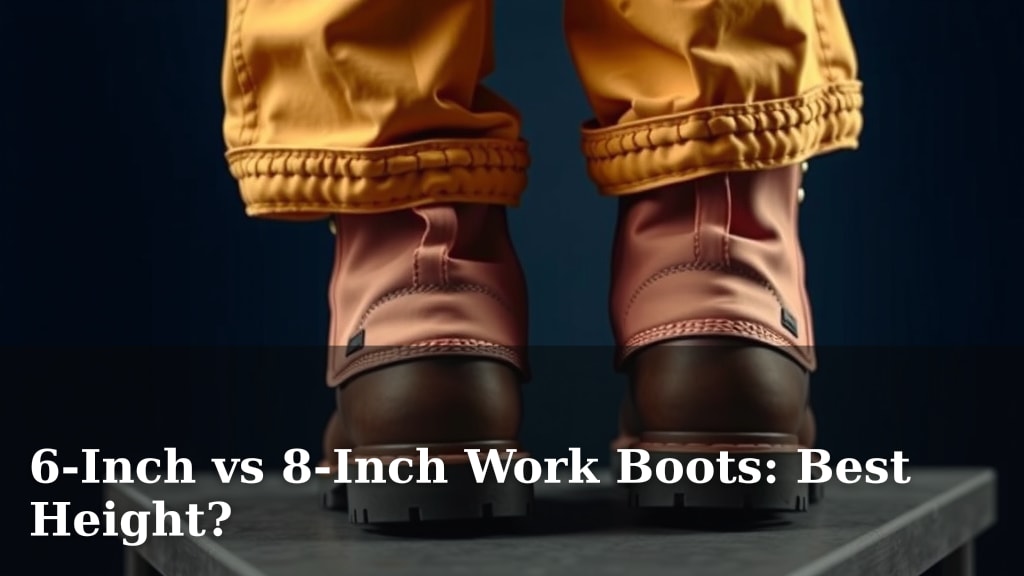
6-Inch vs 8-Inch Work Boots: Best Height?
When choosing between 6-inch and 8-inch work boots, the best height depends on your specific needs. Generally, 8-inch boots offer more ankle support and protection against debris, making them ideal for rugged terrains and jobs with high risks. However, 6-inch boots provide greater flexibility and comfort for less demanding environments.
The decision hinges on balancing ankle protection with mobility. While both heights serve important functions, understanding their unique advantages helps you pick the right pair for your workday. We found that many workers prefer 8-inch for heavy-duty tasks, while 6-inch boots are popular for their lighter feel and ease of movement.
- 8-inch boots = more ankle support, better debris protection.
- 6-inch boots = more flexibility, easier movement.
- Consider your job and terrain.
- Choose based on protection needs vs. comfort preferences.
Let’s break down the differences and help you decide which boot height is the perfect fit for your feet and your work.
You’ve seen them on job sites everywhere: the sturdy 6-inch work boot and its taller cousin, the 8-inch boot. They look pretty similar, right? But that extra two inches of height can make a surprising difference in your workday. So, which one is right for you? Let’s dive into what makes each height special and help you find your perfect match.
Choosing the Right Work Boot Height for Your Job
The main difference between 6-inch and 8-inch work boots comes down to how much of your ankle they cover. This simple height variation impacts support, protection, and even how you move throughout your day. Think of it like choosing the right tool for a specific job – you wouldn’t use a hammer to screw in a bolt, would you?
The Advantages of 8-Inch Work Boots
When you think about maximum ankle protection and stability, 8-inch work boots often come to mind. They extend higher up your leg, offering a more secure fit. This is especially important for certain types of work environments and tasks.
Superior Ankle Support and Stability
The extra height on an 8-inch boot acts like a built-in ankle brace. This can significantly reduce the risk of twists and sprains, common injuries on uneven or challenging terrain. If your job involves a lot of walking on rough ground, climbing, or standing for long periods, that added support is a real game-changer. We found that many workers in construction or landscaping prefer this style for that very reason.
Enhanced Protection from Debris and Hazards
Beyond just ankle support, the taller shaft of an 8-inch boot offers better protection from things like loose gravel, dirt, or even minor impacts. It creates a more complete barrier around your lower leg. This is a big plus if you’re working in environments where debris can fly or where you might accidentally kick something.
Best for Rugged and Risky Environments
Because of their superior support and protection, 8-inch boots are often the top choice for jobs that are physically demanding or carry a higher risk of injury. This includes fields like heavy construction, mining, or any task where you’re navigating unpredictable surfaces. Many safety regulations recommend higher boots for these situations (OSHA).
The Benefits of 6-Inch Work Boots
Now, let’s talk about the 6-inch boot. While it might not offer the same level of ankle coverage, it has its own set of advantages, primarily focusing on comfort and freedom of movement. These boots are a popular choice for a reason.
Greater Flexibility and Agility
The shorter height of a 6-inch boot allows your ankle to move more freely. This can feel much more comfortable, especially if your job requires a lot of bending, squatting, or quick movements. You’re less likely to feel restricted, which many workers find improves their overall comfort throughout the day.
Lighter Weight and Easier to Wear
Generally, 6-inch boots are lighter than their 8-inch counterparts. This can make a noticeable difference over a long workday. Less weight on your feet means less fatigue. They also tend to be easier to slip on and off, which is a small but appreciated convenience.
Ideal for Less Demanding Workplaces
If your job doesn’t involve extreme terrain or a high risk of ankle injuries, a 6-inch boot might be perfectly sufficient. Think of roles in light manufacturing, warehousing, or everyday general labor where you need good protection but prioritize ease of movement. We found these are often favored by people who work indoors or on relatively flat surfaces.
Key Differences at a Glance
To help you visualize the comparison, let’s break down the core differences. It’s not about one being universally better, but rather which one fits your unique work demands.
| Feature | 6-Inch Work Boots | 8-Inch Work Boots |
|---|---|---|
| Ankle Support | Moderate | High |
| Debris Protection | Good | Excellent |
| Flexibility | High | Moderate |
| Weight | Lighter | Heavier |
| Best For | Less demanding jobs, comfort, easy movement | Rugged terrain, high-risk jobs, maximum support |
Factors to Consider for Your Decision
Choosing between 6 and 8 inches isn’t just about style; it’s about function. Here are some key questions to ask yourself:
What Kind of Terrain Will You Be On?
Are you working on solid concrete all day, or are you navigating muddy fields and rocky paths? If it’s the latter, the extra height and support of an 8-inch boot can be a lifesaver. For flatter, more predictable surfaces, a 6-inch boot often does the trick.
What Are the Specific Risks of Your Job?
Some jobs inherently carry a higher risk of ankle injuries or impacts from falling objects. Always check your workplace safety guidelines (CDC). If ankle stability is a major concern, opt for the taller 8-inch boot. If the main concern is foot protection from dropped items, both heights can offer steel or composite toes, but the 8-inch still wins on overall leg protection.
How Much Do You Value Flexibility vs. Support?
This is a personal preference, but it’s a big one. Do you need maximum freedom for your ankles, or do you want that locked-in feeling of extra support? Some people find the restriction of an 8-inch boot uncomfortable for tasks involving lots of bending. Others feel much more secure and less prone to fatigue with that extra coverage.
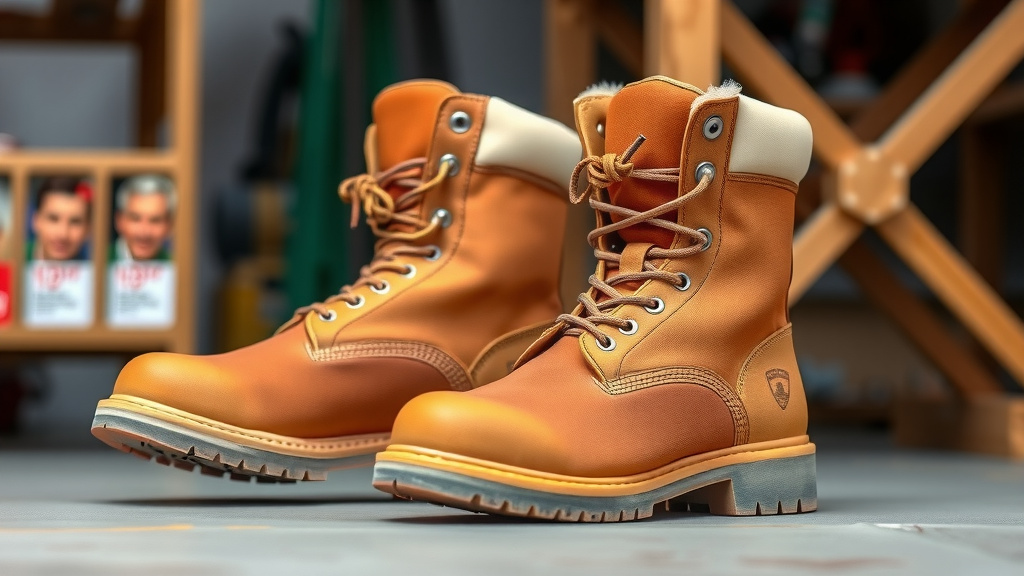
Making Your Final Choice: A Quick Checklist
Still weighing your options? Use this quick checklist to help guide your decision:
- Assess your daily work environment: Is it rough and uneven, or relatively smooth?
- Identify job-specific hazards: Are ankle twists a common risk?
- Consider your physical needs: Do you have a history of ankle issues?
- Think about comfort: Which feels better – more freedom or more support?
- Check employer recommendations: Do safety standards suggest a specific boot height?
Conclusion
You’ve learned that the 6-inch versus 8-inch work boot decision comes down to your unique job demands and personal comfort. 8-inch boots offer superior ankle support and protection from debris, making them ideal for rugged terrains and higher-risk tasks. On the other hand, 6-inch boots provide greater flexibility and a lighter feel, perfect for less demanding environments or when ease of movement is key. We found that understanding the terrain, job hazards, and your own physical needs will guide you to the right height. Your next step is to consider these factors and choose the pair that will best support you throughout your workday.
Frequently Asked Questions
Can I wear 6-inch boots for construction?
For many construction roles, 6-inch boots can be suitable, especially if your work is primarily indoors or on stable ground. However, if your job involves a lot of uneven terrain, climbing, or carries a higher risk of ankle injuries, 8-inch boots are generally recommended for better support and protection.
Do 8-inch boots really prevent ankle injuries better?
Yes, the extra height on 8-inch boots provides more material to support your ankle. This increased coverage can significantly reduce the risk of twists and sprains, particularly when working on unstable or uneven surfaces. We found this added stability is a major reason many choose the taller boot.
Are 6-inch boots lighter and more comfortable for long days?
Generally, 6-inch boots are lighter than 8-inch boots due to less material. This can lead to less fatigue over a long workday. Their shorter height also allows for more ankle flexibility, which many workers find more comfortable for jobs requiring frequent bending or squatting.
What if my employer recommends a specific boot height?
Always prioritize your employer’s safety recommendations. If your job has specific safety guidelines or OSHA standards that suggest a particular boot height, you should adhere to that. Your employer likely bases these recommendations on the common hazards of your work environment.
Can I get steel toes in both 6-inch and 8-inch work boots?
Yes, absolutely. Both 6-inch and 8-inch work boots are commonly available with safety features like steel or composite toes. The choice of toe protection doesn’t typically depend on the boot’s height, but rather on the specific hazards you might encounter, such as falling objects.