8 Inch vs 6 Inch Work Boot: Right Fit Guide
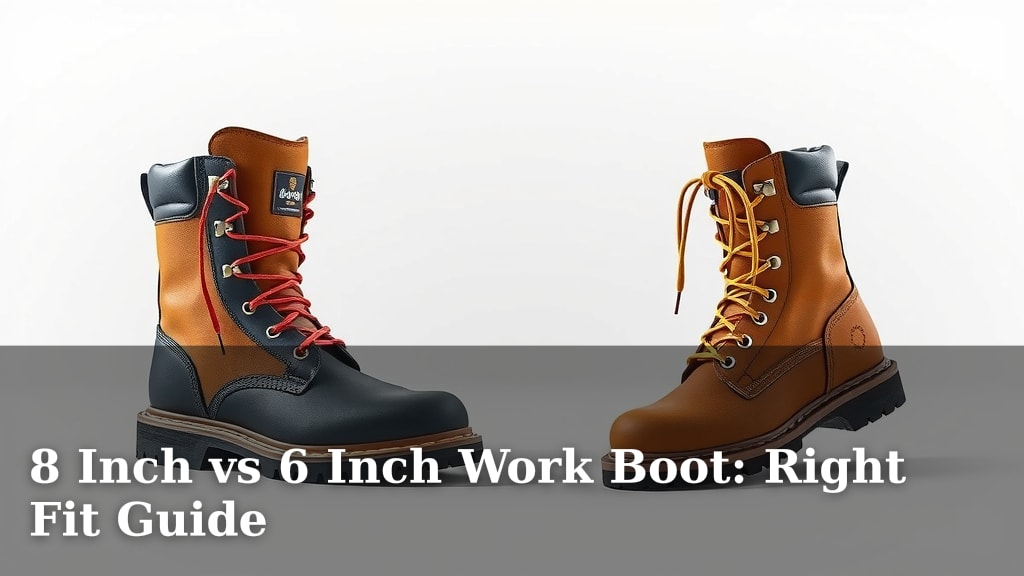
When choosing between an 8-inch vs 6-inch work boot, neither is universally “better” – the right fit depends entirely on your job’s demands and your personal needs. An 8-inch boot offers superior ankle support and protection, ideal for rugged terrain or heavy lifting. A 6-inch boot provides more flexibility and comfort for less demanding tasks or warmer weather.
Many people wonder about the height difference and its impact. We’ve found that the primary distinction lies in the level of ankle coverage, which directly affects stability and how much debris the boot keeps out. Understanding these core differences will help you make a smart choice for your workday.
- 8-inch boots: More ankle support, better for rough jobs.
- 6-inch boots: More flexibility, good for general use.
- Consider your daily tasks and environment.
- Both offer different levels of protection and comfort.
Let’s walk through the key differences and help you decide which boot height is your perfect match.
Choosing Your Work Boot Height: 6-Inch vs. 8-Inch
You’re standing at a crossroads, staring at work boots. One pair is just above your ankle, the other reaches mid-shin. This choice matters more than you might think for your workday comfort and safety. We’ve looked into what makes each height tick. This guide will help you pick the perfect partner for your feet.
Ankle Support: The Biggest Difference
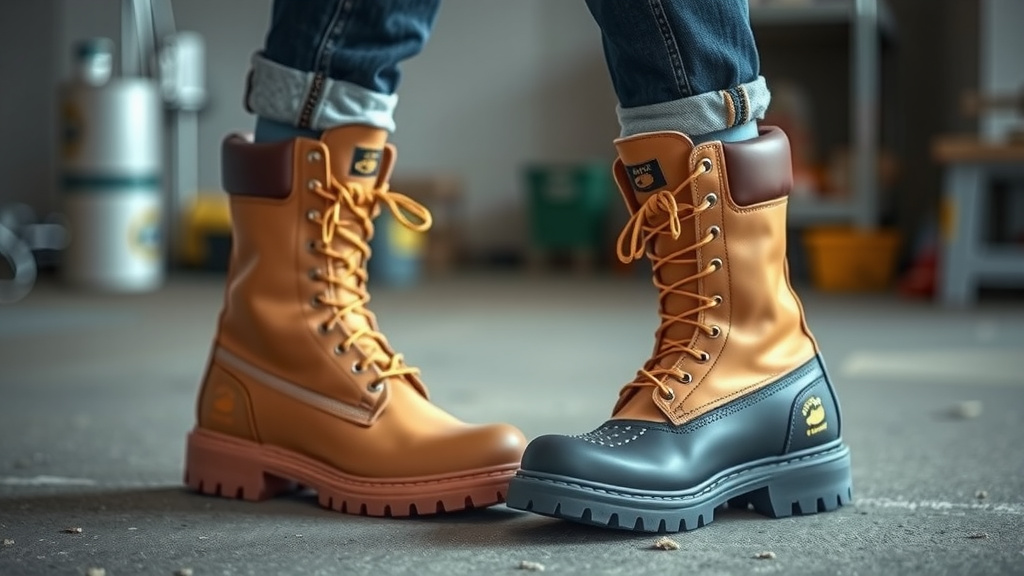
The most obvious way an 8-inch boot differs from a 6-inch boot is the height. This extra two inches isn’t just for show. It wraps higher up your ankle, providing more support and stability.
Why Ankle Support Matters
Think about your ankles. They’re complex joints that help you balance and move. When you’re on uneven ground or lifting heavy things, your ankles take a lot of stress. Extra support can help prevent twists and sprains.
When 8-Inch Boots Shine for Support
We found that 8-inch boots are a top choice for jobs where you’re walking on rough terrain. Think construction sites, logging, or anywhere you might encounter rocks, debris, or uneven surfaces. This added height acts like a brace, giving your ankle a little extra security.
For heavy lifting or tasks where you might be on your feet all day, the stability offered by an 8-inch boot can also reduce fatigue. It helps distribute weight more evenly. Many people report feeling more confident when wearing taller boots on challenging jobs.
6-Inch Boots: Freedom and Flexibility
A 6-inch boot still offers good ankle support. It typically comes up just above the ankle bone. This height allows for a bit more freedom of movement. If your job doesn’t involve constant ankle-twisting risks, a 6-inch boot might feel less restrictive.
For indoor work, or jobs on flat, stable surfaces, the extra height of an 8-inch boot might feel unnecessary. A 6-inch boot offers a great balance of protection and mobility. It’s often preferred for its comfort during long shifts.
Protection From the Elements and Debris
Beyond ankle support, boot height plays a big role in what stays out of your shoes. We all know how annoying it is to get pebbles, dirt, or water inside your boots.
Keeping the Bad Stuff Out
An 8-inch boot offers a superior barrier against the elements. If your work involves lots of dust, mud, snow, or other fine debris, the extra height is a clear advantage. It’s harder for these particles to find their way in.
This is especially important for outdoor workers. Imagine walking through tall grass or working in a dusty environment. The taller boot acts like a shield. It helps keep your socks and feet cleaner and drier. Many find this reduces irritation and improves overall comfort.
When 6-Inch Boots Are Enough
While not as protective against deep debris, a 6-inch boot still offers decent coverage for most common workplace scenarios. If you’re primarily working indoors or in areas with minimal debris, the protection offered by a 6-inch boot is often perfectly adequate.
It’s about matching the protection level to the risk. For jobs like warehouse work or light manufacturing, a 6-inch boot usually provides enough defense. You still get protection from minor spills and dust. Plus, they are generally easier to put on and take off.
Comfort and Mobility Considerations
Let’s talk about how each boot height feels when you’re on the move. Comfort is key to getting through a demanding workday.
Movement and Airflow
A 6-inch boot generally offers more flexibility. It doesn’t restrict your ankle movement as much. This can feel more comfortable for tasks that require a lot of bending or quick pivots. We found that some workers also feel a better airflow with lower boots, especially in warmer weather.
If you spend a lot of time squatting, kneeling, or quickly changing direction, a 6-inch boot might feel less constricting. They tend to be lighter, which can also contribute to less fatigue over time.
The Trade-offs with 8-Inch Boots
While offering more protection, 8-inch boots can sometimes feel bulkier. They might limit ankle flexibility slightly. For some, the extra material can also mean less breathability, potentially leading to hotter feet in warmer conditions.
However, many people get used to the added height quickly. They find that the benefits of increased support and protection outweigh any minor reduction in flexibility. It really comes down to your personal preference and the demands of your specific job.
Making Your Final Choice: A Quick Checklist
Still on the fence? Let’s break down what to think about. We’ve put together a quick checklist to help you narrow down your options:
- Your Job Site: Is it rough and uneven, or mostly flat and stable?
- Debris and Weather: Do you often deal with mud, dust, snow, or water?
- Ankle History: Have you had ankle injuries before, or do you worry about them?
- Daily Movement: Do you do a lot of squatting, kneeling, or quick pivots?
- Personal Comfort: Which height feels better and less restrictive on your feet?
- Boot Weight: Do you prefer a lighter feel or a more substantial boot?
Comparing 6-Inch and 8-Inch Work Boots at a Glance
To help you visualize the differences, here’s a simple comparison:
| Feature | 6-Inch Work Boots | 8-Inch Work Boots |
|---|---|---|
| Ankle Support | Good, above the ankle bone | Excellent, mid-shin coverage |
| Debris Protection | Moderate | Superior |
| Mobility/Flexibility | Higher, less restrictive | Slightly lower, more supportive |
| Weight | Generally lighter | Generally heavier |
| Best For | General use, indoor work, warmer weather, less risk of sprains | Rugged terrain, heavy lifting, risk of sprains, harsh environments |
Conclusion
You’ve seen the key differences between 6-inch and 8-inch work boots. Your ideal boot height depends on your specific job and comfort needs. An 8-inch boot offers top-notch ankle support and debris protection for tough jobs. A 6-inch boot provides greater flexibility and comfort for less demanding tasks.
Consider your daily movements, work environment, and any past ankle concerns. You can make the smartest choice by matching the boot’s features to your work demands. Now, go find the pair that will keep your feet happy and safe all day long!
Frequently Asked Questions
Can I wear 8-inch boots for indoor work?
You certainly can! While 8-inch boots offer more protection, they might feel a bit warmer or more restrictive indoors. If your indoor job involves risks like falling objects or frequent ankle strain, they can still be a good choice. Many workers prioritize the extra support regardless of the environment.
Are 6-inch boots safe enough for construction sites?
For many general construction tasks, 6-inch boots can be sufficient. They still offer good ankle support and protection. However, if your work involves frequent uneven terrain, heavy materials, or a high risk of ankle twists, an 8-inch boot would provide better security. Always assess the specific risks of your job site.
Will 8-inch boots make my feet too hot?
Potentially, yes. The extra material in 8-inch boots can reduce airflow compared to 6-inch boots. If you work in very hot climates or primarily indoors, this could lead to hotter feet. Look for 8-inch boots made with breathable materials or consider 6-inch boots for better ventilation.
How do I know if I need the extra ankle support of an 8-inch boot?
If you have a history of ankle sprains or regularly work on unstable, rocky, or slippery surfaces, you’ll likely benefit from the enhanced support of an 8-inch boot. Trust your instincts – if you feel your ankles need more security, opt for the taller boot.
Can I break in 8-inch boots just like 6-inch boots?
Yes, the break-in process is similar. Both heights will require some time to mold to your feet. You might find that 8-inch boots feel a little stiffer initially due to the extra material around the ankle. Wearing them for shorter periods first and using thicker socks can help ease the process for either height.