8in vs 6in Boots: Which Height Matters?
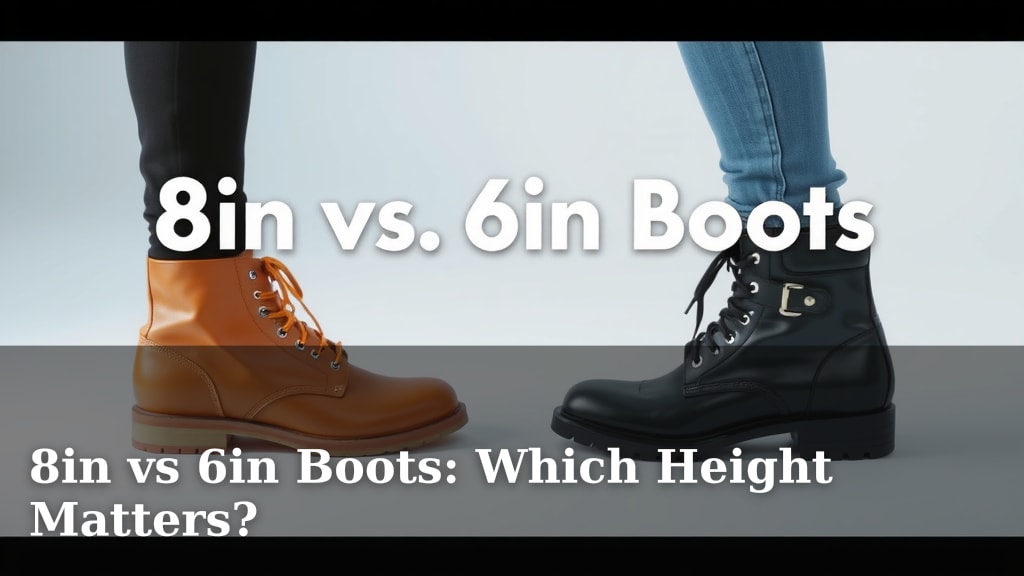
When choosing between 8in and 6in boots, the height that matters most depends on your specific needs and what you’ll be doing. Generally, 8-inch boots offer superior ankle support and protection, making them ideal for rugged terrain and heavy-duty work. Shorter 6-inch boots provide more flexibility and are lighter for everyday wear.
The debate between 8in vs 6in boots isn’t just about inches; it’s about ankle security and freedom of movement. Many people find that the extra two inches in an 8-inch boot make a big difference in preventing twists and sprains, especially when navigating uneven ground. Understanding your typical activities will help you decide which boot height is best for you.
- 8-inch boots: Better ankle support and protection.
- 6-inch boots: More flexibility and lighter weight.
- Consider your activities: Work, hiking, or casual wear?
- Support vs. Mobility: What’s your priority?
Let’s dive into the details to help you figure out which boot height is the perfect fit for your feet and your adventures.
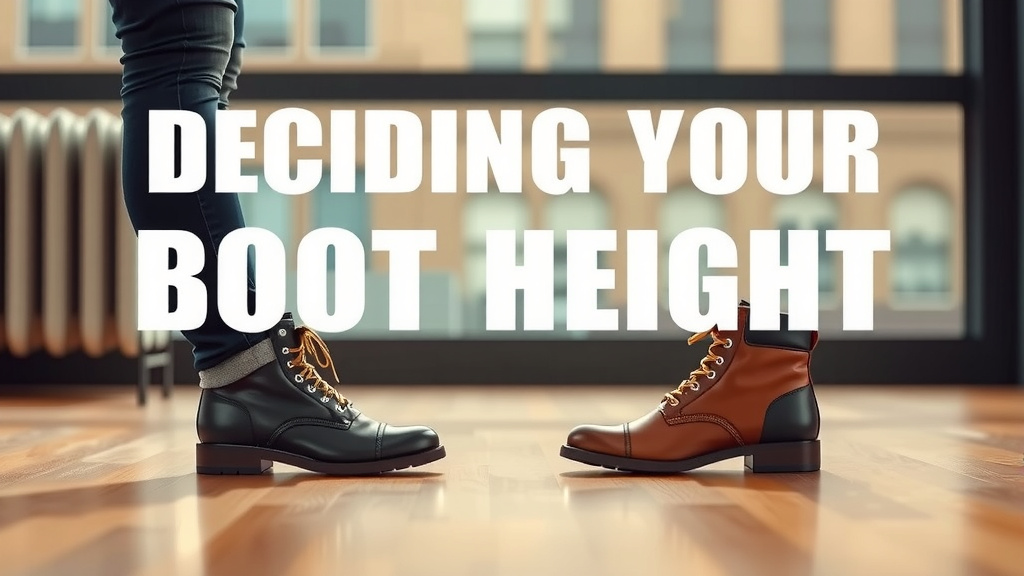
Deciding Your Boot Height: 8-Inch vs. 6-Inch
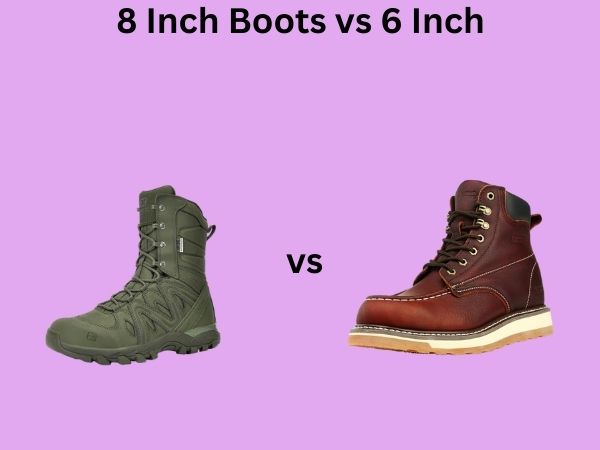
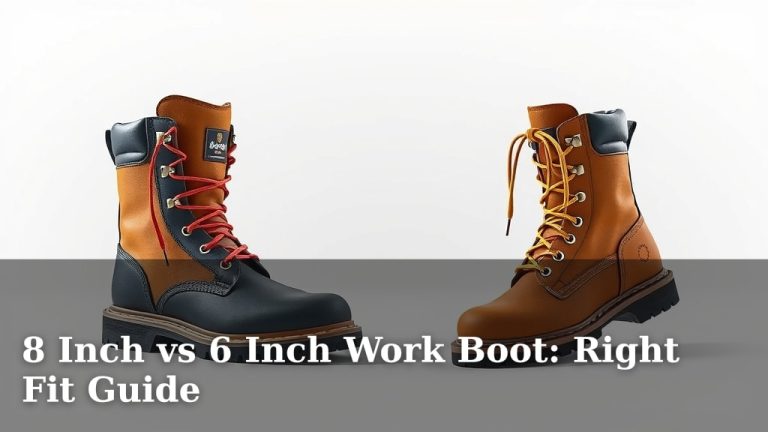
When you’re eyeing a new pair of boots, you might notice they come in different heights. Two common options are 6-inch and 8-inch boots. The main difference is how high they come up your leg. This simple distinction can really impact how the boots perform and feel when you wear them. We’re here to help you figure out which height is your perfect match.
The Ankle Support Factor
One of the biggest reasons people choose between boot heights is ankle support. Higher boots generally offer more of it. Think of it like wearing a brace for your ankle. An 8-inch boot wraps higher up your leg, providing a more secure feeling around your ankle joint. This can be a game-changer for preventing those nasty twists and sprains, especially when you’re on uneven terrain.
We found that for activities where your feet might roll or get put under stress, extra ankle support is key. Many construction workers and hikers prefer 8-inch boots for this very reason. It gives them confidence to tackle challenging surfaces without worrying as much about injury.
Freedom of Movement: The 6-Inch Advantage
On the flip side, a shorter boot offers a bit more freedom. A 6-inch boot typically ends around your ankle bone or just above it. This means your ankle has more room to move. If you’re doing activities that require a lot of quick pivots or bending your ankle, like playing sports or even just walking around town, you might find 6-inch boots feel less restrictive.
It’s like the difference between wearing a tight-fitting glove and a looser mitten. The glove (8-inch boot) gives you more control and protection for your whole hand (ankle). The mitten (6-inch boot) allows for more general movement and might feel more comfortable for casual tasks.
When to Choose 8-Inch Boots
So, who really benefits the most from those extra two inches? We see 8-inch boots shining in a few key areas. They are built for those who face tough conditions and need reliable protection.
Work and Heavy-Duty Tasks
If your job involves standing for long periods, lifting heavy objects, or working around potential hazards, 8-inch work boots are often the way to go. They provide a robust shield for your feet and ankles. This height can help prevent injuries from falling objects or accidental twists. Many safety regulations even recommend or require higher boots for certain jobs.
Research from occupational safety bodies often highlights the protective benefits of higher boots in industrial settings. They help create a more stable platform for your feet, reducing fatigue and the risk of acute injuries.
Trekking and Rugged Outdoor Adventures
Hikers, backpackers, and anyone planning to explore off-beaten paths should seriously consider 8-inch boots. Trails can be unpredictable. You’ll encounter rocks, roots, and uneven ground. The extra height of these boots gives you that much-needed ankle stability when you step on something unexpected.
We’ve heard from many outdoor enthusiasts who swear by their 8-inch boots. They often say the confidence gained from knowing their ankles are well-supported allows them to focus more on enjoying the hike. It’s a small difference in height, but it can make a huge difference in comfort and safety on a long trek.
Protection Against the Elements and Debris
Beyond just ankle support, 8-inch boots offer better protection from things like mud, water, and small debris. They create a higher barrier, keeping your socks and feet drier and cleaner. If you’re working in a wet environment or hiking through tall grass, this added coverage is a definite plus.
When 6-Inch Boots Might Be a Better Fit
Now, let’s talk about when you might want to opt for the shorter, more flexible 6-inch boot. These are generally your go-to for everyday comfort and ease of movement.
Everyday Wear and Casual Comfort
For most people, daily life doesn’t involve navigating treacherous mountain trails or construction sites. If you’re looking for boots to wear around town, to the office (if casual is allowed!), or for light errands, 6-inch boots are often more comfortable. They are lighter and allow your ankles to flex naturally.
We find that many people choose 6-inch boots simply because they feel less bulky and more natural for walking on paved surfaces. You get the boot aesthetic without the feeling of being overly restricted.
Light Hiking and Shorter Trails
Planning a short walk in a well-maintained park or a light hike on a clear path? A 6-inch boot can be perfectly adequate. If you don’t anticipate encountering significant obstacles or unstable ground, the added height and weight of an 8-inch boot might be unnecessary. You’ll likely enjoy the lighter feel and greater flexibility.
Warm Weather and Increased Breathability
Generally speaking, shorter boots can sometimes offer a bit more breathability, especially if they are designed with lighter materials. While boot construction varies greatly, a 6-inch boot might feel cooler in warmer climates. This is because there’s less material covering your leg, potentially allowing for better air circulation.
Comparing the Two: A Quick Look
To make it super clear, let’s put the main differences side-by-side. Think of this as your cheat sheet when you’re weighing your options.
| Feature | 8-Inch Boots | 6-Inch Boots |
|---|---|---|
| Ankle Support | High – Excellent for stability | Moderate – Allows more flexibility |
| Weight | Generally Heavier | Generally Lighter |
| Protection (Debris/Elements) | Superior – Higher coverage | Good – Lower coverage |
| Mobility | Slightly more restricted | More freedom of movement |
| Best For | Rugged work, tough hikes, injury prevention | Everyday wear, light trails, comfort |
What’s Your Priority?
Ultimately, the choice between 8-inch and 6-inch boots boils down to what you need them for. Are you prioritizing maximum ankle protection for demanding tasks, or are you looking for everyday comfort and agility?
We found that many people have a pair of each! They might have sturdy 8-inch boots for their weekend adventures or demanding jobs, and a more comfortable pair of 6-inch boots for their daily commute or casual outings. It’s not always an either/or situation; it’s about having the right tool for the job.
Your Boot-Choosing Checklist
To help you nail down your decision, run through this quick checklist:
- What kind of terrain will you be on most? (Smooth pavement vs. rocky trails)
- Will you be carrying heavy loads? (Backpacks, tools, equipment)
- Do you have a history of ankle injuries? (This often points to higher boots)
- How important is lightweight comfort to you? (For long days on your feet)
- What’s the typical weather like where you’ll wear them? (Wet/muddy vs. dry and clean)
- Do you need protection from falling objects or debris? (Work environments)
Conclusion
Choosing between 8-inch and 6-inch boots really comes down to your personal needs and activities. You’ve learned that 8-inch boots offer superior ankle support and protection, making them ideal for tough jobs and rugged trails. On the other hand, 6-inch boots give you more freedom of movement and feel lighter for everyday wear and less demanding situations. We encourage you to think about your typical environment and any past ankle issues. Use the checklist we provided to guide your decision, and you’ll be walking confidently in the perfect pair for you.
Frequently Asked Questions
Do 8-inch boots really make a difference for my ankles?
Yes, the extra two inches of height on 8-inch boots provide significantly more ankle support. We found this extra coverage is especially helpful for preventing twists and sprains on uneven terrain or when carrying heavy loads. If you have a history of ankle injuries, higher boots are generally a better choice.
Are 6-inch boots too short for serious hiking?
For light hikes on well-maintained trails, 6-inch boots can be perfectly adequate. If you plan on tackling challenging, rocky, or uneven terrain, or if you’ll be carrying a heavy pack, 8-inch boots will offer better stability and protection. Your priorities for support versus flexibility will guide this choice.
Which boot height is better for working construction?
For construction work, 8-inch boots are typically recommended. They offer better protection against debris, falling objects, and provide essential ankle support for long days on your feet. Many job sites even have safety regulations that call for higher boots to prevent injuries.
Can 6-inch boots be comfortable for all-day wear?
Absolutely. 6-inch boots are often preferred for everyday wear because they feel less restrictive and are lighter. Their design allows your ankles to move more naturally, which many people find more comfortable for walking on paved surfaces or for casual activities throughout the day.
Will 8-inch boots feel too heavy or hot?
While 8-inch boots are generally heavier and have more material, their design often prioritizes durability and protection. Modern materials can help with breathability, but if you’re in a very hot climate and don’t need maximum support, 6-inch boots might feel cooler. Consider the specific materials and construction of the boot itself.