Beginner vs Intermediate Ski Boots: Compared
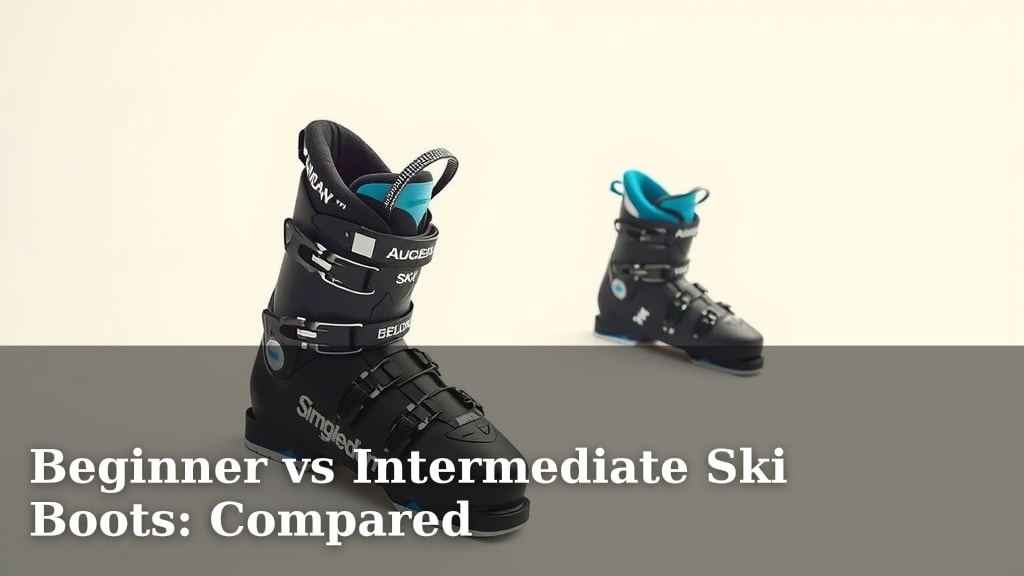
Choosing between beginner and intermediate ski boots boils down to your skill level and how much support you need. Beginner boots offer more flex for comfort and forgiveness, while intermediate boots provide a stiffer flex for better control and response as you advance your skiing. You’ll want to pick the pair that best matches your current abilities on the slopes.
Understanding this difference is key to improving your skiing. The right boot can make a huge difference in how well you can turn and how comfortable you are. We found that many skiers overlook their boots, but they are arguably the most important piece of gear you own for a better day on the mountain. Getting this right means more fun and quicker progress.
- Beginner boots: More flex, comfortable, forgiving.
- Intermediate boots: Stiffer flex, better control, responsive.
- Your boot choice directly impacts ski performance.
- The right boot enhances comfort and speeds up learning.
Let’s break down what makes these boot types different and help you find the perfect fit for your next ski adventure.
“`htmlChoosing the Right Ski Boots: Beginner vs. Intermediate
Selecting your ski boots is a big deal. Think of them as your connection to the skis. Getting this right means better control and more fun on the mountain. We’re going to help you figure out the difference between beginner and intermediate boots. This will make your next gear purchase a lot easier. Your feet will thank you!
Understanding Ski Boot Flex: The Key Difference
The biggest difference you’ll find is in the flex of the boot. This is how stiff or soft the boot shell is. It’s often measured on a scale. A lower number means a softer, more flexible boot. A higher number means a stiffer, more rigid boot. This flex directly impacts how your boot responds to your movements.
What is Ski Boot Flex?
Flex tells you how much the boot will bend forward when you lean into it. This forward pressure is key to controlling your skis. It’s like the steering wheel for your ski turns. Softer boots bend easily. Stiffer boots resist bending. This resistance gives you more power. It also offers better stability at speed.
Flex Ratings: A Closer Look
Most brands use a numerical system for flex. Beginner boots typically range from 50 to 70 for men and 40 to 60 for women. Intermediate boots usually fall between 80 and 100 for men and 70 to 90 for women. We’ve found that these numbers are a good starting point. But remember, boot models can vary slightly.
| Skill Level | Men’s Flex Range | Women’s Flex Range |
|---|---|---|
| Beginner | 50-70 | 40-60 |
| Intermediate | 80-100 | 70-90 |
This table gives you a quick reference. It’s what many ski shops use. It helps simplify the choice initially. You can see a clear jump in stiffness as you move up. This is designed to match your growing ski abilities.
Beginner Ski Boots: Comfort and Forgiveness
If you’re just starting out or still finding your balance, beginner boots are likely your best bet. They are designed with your learning curve in mind. They prioritize comfort and ease of use. This helps you enjoy your time on the snow.
Key Features of Beginner Boots
Beginner boots are generally softer and more forgiving. This means they allow your foot to move a bit more. They are less demanding on your legs. They’re also often wider in the forefoot. This adds to the overall comfort. You can wear them longer without discomfort. Many come with plush liners for extra coziness.
Why Softer is Better for Beginners
When you’re learning, you’re often figuring out how to shift your weight. A softer boot won’t fight you as much. It allows for subtle movements. This helps you feel the snow and make small adjustments. It’s like learning to ride a bike with training wheels. The boot helps guide you. It prevents overcorrection. We found that this forgiving nature builds confidence.
When to Stick with Beginner Boots
You should consider beginner boots if you ski mostly on gentle green runs. You might ski only a few times a year. You value comfort above all else. You want to focus on the basics without worrying about your gear. Many recreational skiers find these boots perfectly adequate for their needs.
Intermediate Ski Boots: Control and Responsiveness
As you progress beyond the beginner slopes, you’ll likely start looking for more from your boots. Intermediate boots offer a step up in performance. They provide more direct control over your skis. They are built for skiers who are gaining confidence and speed.
What Intermediate Boots Offer
These boots have a stiffer flex. This means they transmit your movements more directly to the skis. When you lean or shift your weight, the stiffer boot responds faster. This allows for more precise turning. You’ll notice better edge hold on harder snow. Many intermediate boots also have a slightly narrower fit. This can improve heel hold for better power transfer.
The Benefits of a Stiffer Flex
A stiffer boot is less likely to buckle under pressure. This is especially helpful when you’re making faster turns or skiing on varied terrain. It gives you a more stable platform. You can push your skis harder. We found that intermediate skiers often feel a significant improvement in their carving ability. It’s like upgrading from a sedan to a sports car – more responsive!
Who Should Choose Intermediate Boots?
Intermediate boots are ideal for skiers who are comfortable on blue runs. You’re starting to link turns smoothly. You might be trying to ski a bit faster. You want more feedback from your skis. If you’re skiing regularly throughout the season, this is likely where you’ll land. You’ve moved past the absolute basics and want your gear to keep up.
The Fit Factor: Beyond Flex
While flex is a major factor, it’s not the only one. Boot fit is arguably even more important. A boot that doesn’t fit well will cause pain and hinder performance, no matter the flex. You need a boot that hugs your foot snugly but comfortably.
Shell Fit and Liner Comfort
When trying on boots, pay attention to how the shell fits your foot. Your toes should lightly touch the end when standing straight. They should pull back slightly when you flex your knees forward. The liner’s cushioning also plays a role. A good liner offers support and warmth. We found that many aftermarket insoles can also improve fit and performance. Many experts say a snug heel pocket is key (Skiing Magazine).
Finding Your Perfect Match
We recommend visiting a reputable ski shop. Get your feet measured properly. Try on several different models. Don’t be afraid to spend time in them. Walk around the store. Mimic skiing motions. A boot fitter can help you assess the flex and fit for your unique foot shape and skiing style. They are trained to spot potential issues.
Your Boot Choice Checklist
Here’s a quick way to remember the key points:
- Consider your current ski ability.
- Flex is the main difference: softer for beginners, stiffer for intermediate.
- Beginner boots prioritize comfort and forgiveness.
- Intermediate boots offer more control and responsiveness.
- Fit is king – a snug, comfortable fit is essential for any boot.
- When in doubt, visit a professional boot fitter.
Making the right boot choice will make your days on the mountain much more enjoyable and help you improve faster. Happy skiing!
“`Conclusion
You’ve learned that the main difference between beginner and intermediate ski boots lies in their flex rating. Beginner boots offer a softer, more forgiving flex for comfort and ease as you learn. Intermediate boots provide a stiffer flex, giving you better control and responsiveness as you progress to more challenging terrain. Remember, fit is just as important as flex. Your boots are your connection to your skis, so prioritize a snug, comfortable fit.
Your next step should be to visit a local ski shop. Get your feet professionally measured and try on several models. This will ensure you find the boots that will help you enjoy your time on the slopes more than ever. Happy skiing!
Frequently Asked Questions
Can I use beginner boots if I ski blue runs sometimes?
If you’re comfortable on blue runs but not yet linking turns perfectly or skiing fast, beginner boots might still work. However, you might find yourself wanting more support. Intermediate boots would likely offer better control and responsiveness for those blue runs, helping you progress faster.
How often should I replace my ski boots?
Ski boots typically last 100-150 days on the snow. You’ll notice the plastic shell becoming softer and less responsive over time. Liner compression also reduces cushioning and support. If your boots feel mushy or no longer provide a snug fit, it’s time to consider new ones.
What’s the difference between men’s and women’s flex ratings?
Women’s boots generally have a lower flex rating than men’s for comparable skill levels. This is because women tend to have a lower center of gravity and less lower leg muscle mass. This design allows for appropriate support and responsiveness tailored to female anatomy.
Is a very snug fit really necessary for intermediate boots?
Yes, a snug fit is crucial for intermediate boots. As you ski faster and make more aggressive turns, a secure fit ensures that your foot doesn’t move around inside the boot. This direct connection translates your movements precisely to the ski edges, offering better control and performance.
Do aftermarket insoles make a big difference in ski boots?
Absolutely. Many skiers benefit from aftermarket insoles because they can improve arch support and overall foot comfort. They can also help fill small voids in the boot shell, leading to a more secure heel hold and better energy transfer from your foot to the boot and ski.