Beginner vs Advanced Ski Boots: Compared
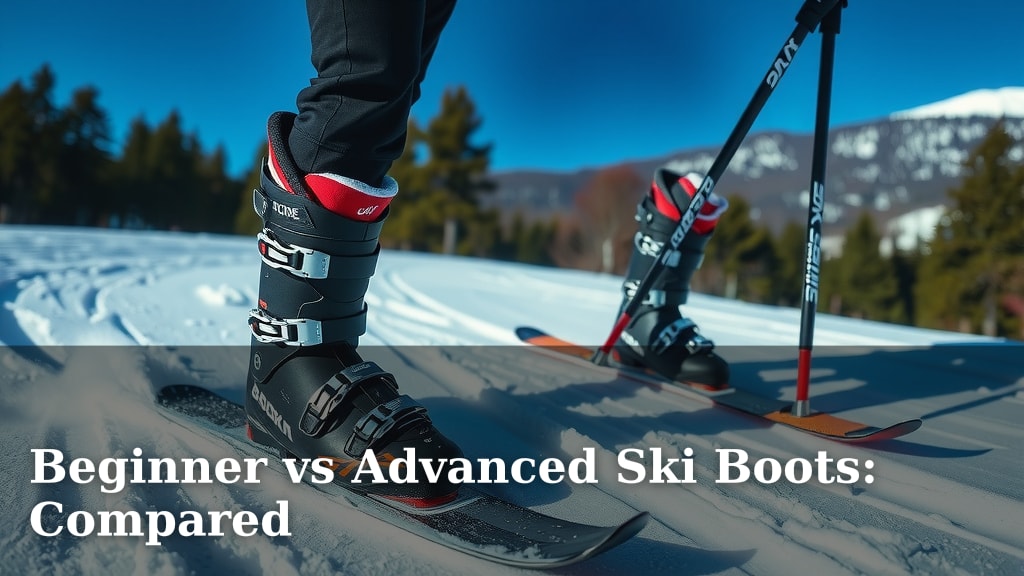
The main difference between beginner and advanced ski boots lies in their flex index and fit. Beginner boots are generally softer and more forgiving, designed for comfort and ease of movement on gentle slopes. Advanced boots are stiffer, offering better control and energy transfer for aggressive skiing on challenging terrain.
Choosing the right boot is like finding the perfect partner for your ski adventures. A boot that fits well and matches your skill level can make a world of difference. We found that many skiers overlook this vital piece of gear, leading to sore feet and less enjoyable days on the mountain. Your boot needs to support your progression, not hold you back!
- Beginner boots: Soft flex, comfort-focused, easy to put on/off.
- Advanced boots: Stiff flex, precise fit, better performance for experts.
- Flex index matters for control and comfort.
- Fit is king – get properly fitted for your foot shape.
- The right boot enhances your skiing experience significantly.
Let’s break down what sets these boot types apart and how to choose the best one for your skiing style.
Understanding Ski Boot Differences: Beginner vs. Advanced
You’re probably wondering what really separates a beginner ski boot from an advanced one. It’s not just about price. We found that the biggest differences come down to flex and fit. These two factors directly impact how your boot performs. They also affect how comfortable your feet will be on the slopes. Let’s break down these key distinctions.
Flex Index: The Stiffness Scale
The flex index is a number that indicates how stiff a ski boot is. Think of it like a suspension system for your legs. A softer boot is more forgiving. A stiffer boot offers more power. This number is your guide to matching boots to your skiing style and ability.
Beginner Boot Flex: Forgiveness is Key
Beginner boots typically have a lower flex index. This usually ranges from about 50 to 80 for men and 40 to 60 for women. A softer flex means the boot bends more easily. This makes them forgiving when you make small mistakes. They help you learn proper technique without fighting your boots. Many experts recommend this for new skiers. It allows you to focus on balance and turning. You won’t feel like your ankles are locked in place. This makes getting up after a fall much easier too.
Advanced Boot Flex: Precision and Power
Advanced and expert skiers need more from their boots. They often have a higher flex index. For men, this can be 100 to 130 or even higher. For women, it’s typically 80 to 110+. A stiffer boot transfers energy more directly to your skis. This gives you better control at higher speeds. It’s essential for aggressive turns and varied terrain. You’ll feel a more responsive connection to the snow. This stiffness helps you charge down steeps and handle icy conditions. It requires more leg strength and precise movements.
| Skill Level | Men’s Flex Range (Approx.) | Women’s Flex Range (Approx.) | Typical Skiing Style |
|---|---|---|---|
| Beginner | 50 – 80 | 40 – 60 | Cruising on groomed runs, learning turns |
| Intermediate | 80 – 100 | 60 – 80 | Exploring more terrain, increasing speed |
| Advanced/Expert | 100 – 130+ | 80 – 110+ | Aggressive skiing, steep slopes, variable snow, high speeds |
What About Intermediate Skiers?
If you’re somewhere in the middle, you’re not alone. Many skiers find themselves progressing. For intermediate skiers, a boot with a moderate flex is often ideal. Men might look in the 80 to 100 range. Women might find success between 60 and 80. This flex provides a good balance. You get enough support for faster skiing. Yet, it remains comfortable for all-day wear. It’s a great stepping stone as your skills grow. It allows you to push your limits a bit more.
Fit: The Foundation of Comfort and Control
Beyond flex, fit is perhaps the most critical aspect of any ski boot. We found that a boot that doesn’t fit well can ruin your day. It can cause pain, numbness, and blisters. A proper fit ensures your foot is held securely. This allows for precise control over your skis. It’s like wearing the right shoes for running; they make a huge difference.
Beginner Boot Fit: Comfort First
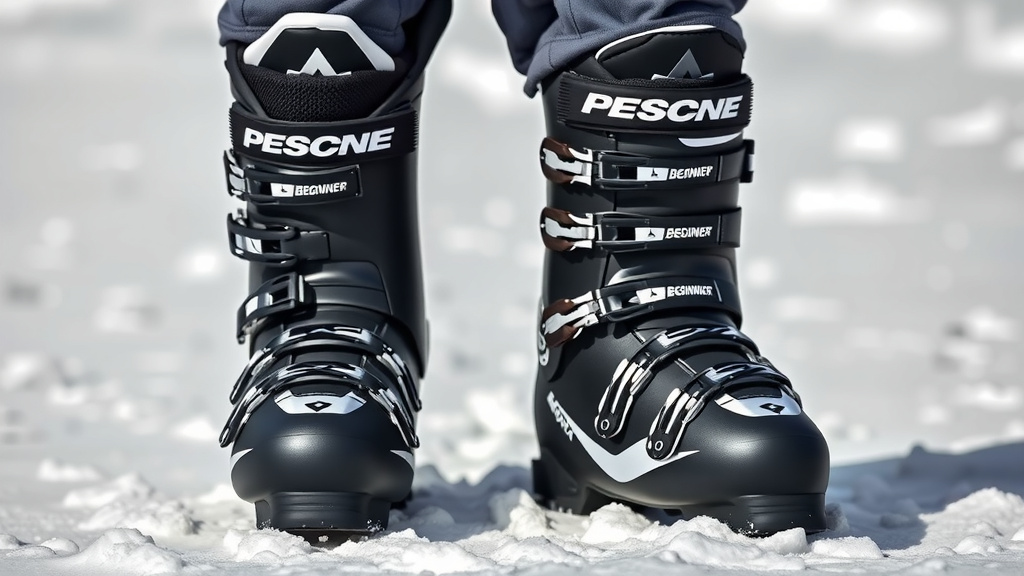
Beginner boots are often designed with a wider toe box and a more generous heel pocket. This provides a comfortable, relaxed fit. They are usually easier to put on and take off. Many have buckles that are simple to operate. The goal here is comfort and ease. You want to forget you’re wearing them. This allows you to concentrate on learning. A snug fit is still important, but it won’t be painfully tight. It should feel secure, not constricting.
Advanced Boot Fit: Precision is Paramount
Advanced boots are built for performance. They typically have a narrower last (the width of the boot’s forefoot). This offers a more precise, snug fit. Your heel should feel locked into place with minimal lifting. The toes should have just enough room to wiggle slightly, but not slide around. Many advanced boots use specialized liners. These liners can be heat-molded. This customizes the fit to your foot shape. Experts emphasize this snug fit. It prevents energy loss. Your movements translate directly to the skis. It feels like an extension of your body.
Shell Fit: The Ultimate Test
To truly assess fit, especially for advanced boots, try a shell fit. This means taking the liner out of the boot. You then slide your foot into the empty shell. You should have about one finger’s width of space between your longest toe and the front of the boot shell. If your toes touch or curl, the boot is too small. If you have much more space, it might be too large. This test helps you determine the correct shell size. It’s a smart step before even considering the liner. Many boot fitters swear by this method. It bypasses liner compression and gives you the true shell volume.
Other Key Differences to Consider
While flex and fit are primary, other features also set beginner and advanced boots apart. These can influence your decision, especially as you progress.
Liner Technology
Beginner boot liners are usually simpler. They focus on basic cushioning. Advanced boot liners are often more sophisticated. They might offer better insulation. Many feature heat-moldable materials. This allows for a truly custom fit. We found that better liners can significantly improve comfort. They also provide a more direct connection to the boot shell.
Buckles and Straps
Beginner boots often have fewer buckles. They might use lighter materials. Power straps are usually simpler. Advanced boots may have more buckles. These can offer micro-adjustments. They often include a robust power strap. This strap helps secure your calf. It adds to the boot’s responsiveness. Some high-performance boots even have a cable closure system. This provides uniform pressure across the foot.
Cuff Alignment
This feature allows you to adjust the angle of the boot cuff. It can be matched to the natural angle of your lower leg. Beginner boots rarely have this. It’s more common on intermediate and advanced models. Proper cuff alignment can improve comfort. It also helps with skiing posture. It can correct issues like knee knock or bow legs. Many experts say this is a feature to look for as you advance.
Your Checklist for Boot Selection
Here’s a quick rundown to help you choose the right boots:
- Know your flex: Match it to your skiing ability and style.
- Prioritize fit: Comfort and precision are non-negotiable.
- Consider your foot shape: Wide, narrow, high arch?
- Don’t forget the liner: It impacts warmth and fit.
- Think about features: Buckles, straps, and cuff alignment matter.
- Get professionally fitted: It’s the best way to ensure success.
Choosing the right ski boots is an investment in your skiing future. Taking the time to understand these differences will pay off on the slopes. Happy skiing!
Conclusion
You’ve learned that the biggest differences between beginner and advanced ski boots boil down to flex and fit. Beginner boots offer a forgiving, softer flex and a comfortable fit, perfect for learning. Advanced boots provide a stiff flex and a precise fit for maximum control and performance on challenging terrain. Don’t forget to consider liner technology, buckles, and cuff alignment as you progress. Your next step is to visit a reputable ski shop. Get your feet professionally measured and fitted. Finding the right boot is an investment in your enjoyment and improvement on the mountain. You’ve got this!
Frequently Asked Questions
Can I use beginner boots if I’m an intermediate skier?
While you might be able to ski in them, beginner boots won’t support your progression. Their softer flex won’t give you the control you need for faster speeds or varied terrain. You’ll likely find yourself outgrowing them quickly and wanting more responsiveness.
How important is getting my boots professionally fitted?
Getting professionally fitted is essential. Boot fitters have the expertise and tools to measure your feet accurately. They can identify potential issues like high arches or wide forefeet. A proper fit ensures comfort and prevents injuries. It’s the best way to guarantee you find boots that perform well for you.
What does “last width” mean in ski boots?
The “last width” refers to the measurement across the widest part of the boot’s forefoot. Beginner boots often have a wider last for comfort. Advanced boots typically have a narrower last. This provides a snugger, more precise fit for better control. Your foot shape will dictate which last width is best for you.
Can boot liners be replaced or upgraded?
Yes, in many cases, boot liners can be replaced or upgraded. Aftermarket liners, often made with heat-moldable materials, can offer a significant improvement in comfort and fit. If your boot shell fits well but the liner is lacking, an upgrade can be a great option before buying entirely new boots.
How often should I replace my ski boots?
Ski boots don’t wear out from miles skied like car tires. Instead, the materials, especially the liner and the plastic shell, degrade over time. This process is accelerated by UV exposure and temperature changes. Generally, you might consider replacing boots every 100-150 ski days or after about 5-7 years of regular use, when they start to feel soft or less supportive.