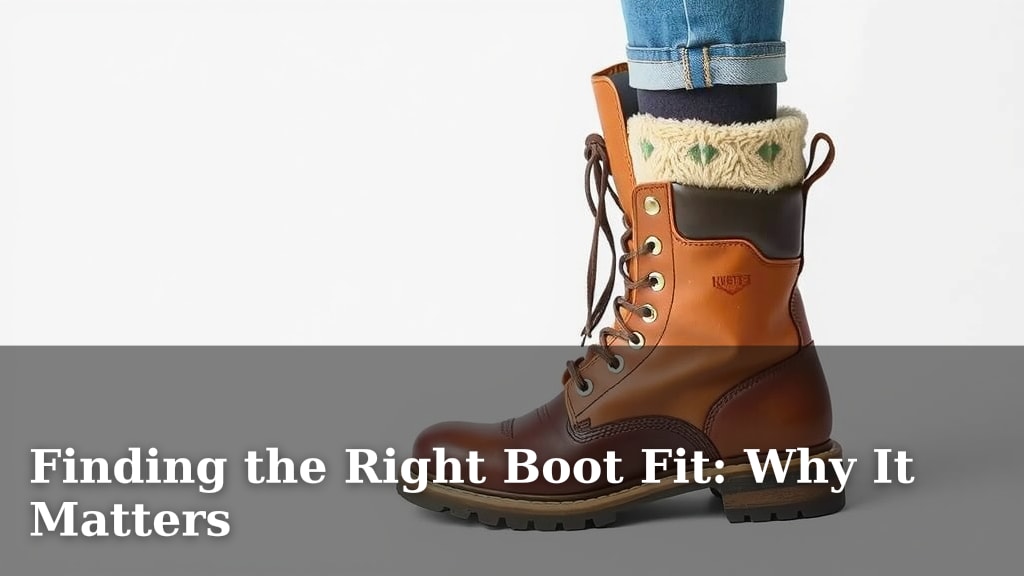
Finding the Right Boot Fit: Why It Matters
Finding the right boot fit matters because ill-fitting boots can lead to discomfort, pain, and even injury. Your feet deserve to feel supported and happy, whether you’re hiking trails or just running errands. A proper fit ensures your boots work with you, not against you, making every step a good one.
It’s more than just knowing your shoe size; it involves understanding your foot’s unique shape and how a boot should feel. We found that focusing on the length, width, and arch support can make a world of difference. Think of your boots as your most important gear for your feet.
- A good boot fit prevents foot pain and blisters.
- It ensures proper support for your arches and ankles.
- The right fit improves stability and reduces the risk of injury.
- Comfortable boots make any activity more enjoyable.
- Don’t ignore how your toes feel or if your heel slips.
Let’s get your feet into boots that feel like they were made just for you. Below, we’ll break down exactly how to find that perfect fit.
Getting Your Boot Fit Just Right: Why It’s So Important
You might think knowing your shoe size is enough. We found that it’s really just the starting point. Your feet are unique. They have their own shape and needs. Boots that fit poorly can cause a lot of trouble. They can lead to nagging pain, painful blisters, and even serious injuries down the road. Getting the fit right ensures your boots support you. They should feel like a natural extension of your body. This makes every step more comfortable and safe. Many experts agree that proper footwear is key to foot health (American Podiatric Medical Association).
Understanding Your Foot’s Unique Shape
Before you even try on boots, take a moment to understand your feet. Do you have high arches? Are they flat? Is your foot wide or narrow? Knowing these things helps you choose boots designed for your specific foot type. We found that many people overlook this. They just grab a size off the shelf. This often leads to disappointment and discomfort later on.
Arch Support Matters
Your arch is your foot’s natural shock absorber. When it’s not supported correctly, the impact travels up your leg. This can strain your knees and back. Boots with good arch support help distribute pressure evenly. They keep your foot aligned. This is especially important for longer walks or strenuous activities. Research shows that inadequate arch support can contribute to conditions like plantar fasciitis (Cleveland Clinic).
Width is Not Just About Size
Shoe size often refers to length. Width is a separate but equally important factor. If a boot is too narrow, your toes get squeezed together. This can lead to bunions and ingrown toenails. If it’s too wide, your foot slides around. This causes friction and blisters. We found that many boots come in different widths. Don’t be afraid to ask for them. A boot that’s the right length but the wrong width is still a bad fit.
The Key Areas to Check for a Perfect Boot Fit
Once you’re ready to try on boots, focus on a few critical areas. These checks will tell you if the boot is truly a good match for your foot. Think of it as a mini-inspection for each foot.
Length: The Toe Box Test
This is probably the most obvious check. When you stand up, there should be about a thumb’s width of space between the end of your longest toe and the front of the boot. Your toes should not be touching the front at all. We found that many people don’t leave enough room here. They worry the boot will stretch. While some boots do stretch a bit, you can’t rely on it for a proper fit. Cramped toes are a recipe for pain.
Heel: Does it Slip or Grip?
Your heel should feel snug and secure. When you walk, your heel should lift very little, if at all. Too much heel slippage means the boot is too big or the wrong shape for your foot. This can cause painful blisters on your heel. On the other hand, if your heel feels completely locked down and uncomfortable, it might be too tight. We found that a slight, controlled lift is okay. But excessive movement is a red flag.
Width and Midfoot Comfort
How does the boot feel around the widest part of your foot? It should feel comfortably snug. It shouldn’t pinch or feel like it’s squeezing your foot. You should be able to wiggle your toes freely, but they shouldn’t swim around. Many experts suggest that the boot should feel supportive through the arch and the ball of your foot (National Institutes of Health).
Trying Them On: The Right Way
When you’re trying on boots, always wear the socks you plan to wear with them. Thicker socks will take up more space. Thinner socks will leave more room. We found that this is a common mistake people make. Trying boots on with thin dress socks when you plan to wear hiking socks can lead to buying boots that are too small. Also, try on both boots. Your feet might be slightly different sizes. Walk around the store for a few minutes. Stand on your tiptoes. Do a small squat. This helps you feel how the boot performs.
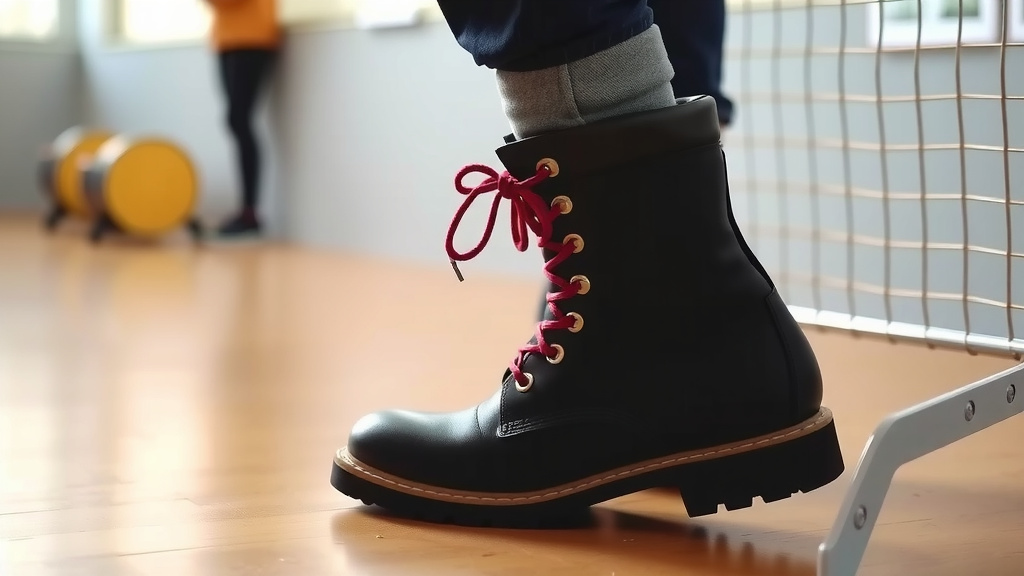
Common Boot Fit Problems and How to Solve Them
Even with the best intentions, you might run into common fit issues. Here’s how to tackle them. We’ve researched the most frequent complaints.
Too Tight or Too Loose
If a boot feels too tight everywhere, it’s likely just the wrong size or width. It’s best to look for a different pair. If it feels a bit snug but otherwise good, consider the socks you’re using. Thinner socks might make it work. If it feels too loose, especially in the heel, you might need a smaller size or a different style. Some insoles can help take up a little extra space, but they can’t fix a fundamentally poor fit.
Rubbing and Hot Spots
These are early signs of blisters. If you feel rubbing anywhere, especially on your toes, heel, or sides, it’s a sign of friction. This often means the boot is too big and your foot is sliding. It can also mean a seam is hitting your foot in the wrong place. We found that sometimes a different lacing technique can help. But if the rubbing is significant, it’s better to find a boot that doesn’t cause it.
Pressure Points
Do you feel a specific spot that’s digging into your foot? This could be a stiff part of the boot, a tongue that’s too thick, or a lacing issue. If it’s a stiff area that might soften with wear, it could be manageable. But if it feels like a hard, unyielding point, it’s probably not going to get better. Your goal is a boot that feels comfortable from the first wear, with minimal break-in needed.
A Quick Fit Checklist
Here’s a simple list to run through:
- Toe box has enough room.
- Heel is secure, with minimal slipping.
- Midfoot feels comfortably snug, not tight.
- No pinching or hot spots appear.
- You can wiggle your toes freely.
- Boots feel good with your chosen socks.
Conclusion
You’ve learned why finding the perfect boot fit is so important. It’s not just about avoiding pain; it’s about ensuring your feet are properly supported for all your activities. We found that paying attention to length, width, and your arch is key. Remember to check for toe room, a secure heel, and comfortable midfoot pressure. Your feet carry you everywhere. Give them the comfort and support they deserve. Your next step is to apply these tips the next time you shop for boots. Go find that ideal fit!
Frequently Asked Questions
How much should my toes move in new boots?
You should be able to wiggle your toes freely. They shouldn’t feel cramped against the front of the boot. We found that about a thumb’s width of space is ideal. This prevents pressure and allows for natural foot movement.
Can I break in boots that feel a little too tight?
Minor snugness might improve with wear, especially with the right socks. However, if a boot feels truly too tight, pinching, or painfully constricting, it’s usually best to find a different size or style. Trying to force a fit can lead to lasting discomfort.
What’s the difference between shoe size and boot width?
Shoe size primarily refers to the boot’s length. Width accounts for how much space there is from the inside edge to the other. A boot can be the correct length but too narrow or wide for your foot, causing issues like bunions or slippage.
Why does heel slippage matter so much?
Excessive heel slippage means your heel is lifting too much when you walk. This constant friction is a common cause of painful blisters. A secure heel provides stability and prevents this rubbing, making your walks much more comfortable.
Should I try on boots with my usual socks?
Yes, absolutely. Always try on boots with the type of socks you plan to wear with them regularly. Thicker socks will take up more space, making a boot feel tighter. Thinner socks will leave more room. We found this simple step prevents many fit mistakes.