How Are Cowboy Boots Supposed to Be Worn? A Complete Style Guide
You know that feeling when you slip on a pair of cowboy boots for the first time? There’s something magical about it. Maybe you’re heading to a country concert, visiting a ranch, or just embracing that Western aesthetic that’s become so popular lately. But here’s the thing—wearing cowboy boots isn’t just about throwing them on your feet and calling it a day. There’s actually a bit of an art to it, and I’m here to break down everything you need to know about wearing them the right way.
Understanding the Cowboy Boot Basics
Before we dive into the “how,” let’s talk about the “what.” Cowboy boots are more than just footwear—they’re a statement, a tradition, and honestly, a piece of American history wrapped around your feet. These boots were originally designed for function, not fashion. Cowboys needed sturdy footwear that could handle long days in the saddle, rough terrain, and the unpredictable elements of ranch life. Today, we wear them for style, but that functional DNA is still embedded in their design.
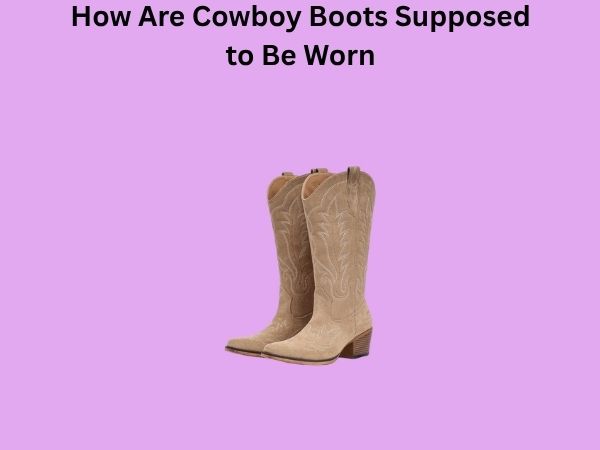
The anatomy of a cowboy boot includes several distinctive features: the tall shaft that typically reaches somewhere between your ankle and mid-calf, the slanted heel designed for stirrups, the pointed or rounded toe, and decorative stitching that’s often quite elaborate. Understanding these elements helps you appreciate why certain wearing styles work better than others.
The Foundation: Getting the Right Fit
Nothing matters more than fit when it comes to wearing cowboy boots properly. I cannot stress this enough. A poorly fitting boot will have you limping around like you’ve just gotten off a three-day cattle drive, and that’s not the vibe we’re going for.
Finding Your Perfect Size
Here’s something that catches a lot of people off guard: cowboy boots typically fit differently than regular shoes. They’re usually about a half size smaller than your normal shoe size because the shaft is narrower. When you try them on, your heel shouldn’t slip, and you should have about a thumb’s width of space at the toe. Your toes shouldn’t be cramped or curled up like little fists—that’s a sign they’re too small.
I’d recommend visiting a specialty Western wear store if you can, rather than ordering online without trying them first. The staff there understand the nuances of cowboy boot sizing and can help you find the right fit for your foot shape. Some boots run narrow, others wide, and some have roomier toe boxes than others.
Breaking In Your Boots
Let’s be honest: new cowboy boots can be stiff. It’s like wearing a piece of leather armor at first. But here’s the secret—you don’t need to suffer through weeks of painful blisters. Start by wearing them around the house for short periods. Wear them with the socks you plan to use them with (yes, this matters). Gradually increase the time you spend in them. Within a week or two of regular wearing, most quality boots will mold to your feet and become surprisingly comfortable.
Choosing the Right Socks
This seems like a small detail, but it’s surprisingly important. Think of your socks as the bridge between your feet and those beautiful leather boots.
Sock Material and Thickness
Cowboy boot enthusiasts typically recommend thicker socks made from natural materials like wool or cotton blends. Why? Because these materials wick moisture, provide cushioning, and help with the fit. Thin socks will make your boots feel loose and can cause blistering. Aim for crew-length socks that come up past your ankle, covering the area where the boot shaft meets your leg. This prevents friction and keeps your skin protected.
During warmer months, you might opt for lighter wool blends, while winter calls for thicker, warmer socks. And please, for the love of all things Western, avoid wearing those paper-thin dress socks with your cowboy boots. Your feet will thank you.
Proper Boot Placement on Your Foot
Now we’re getting into the actual wearing part. This is where technique comes into play.
The Entry Technique
Don’t just ram your foot into the boot and expect it to cooperate. Here’s how to do it properly: First, loosen the shaft enough to slide your foot in comfortably. You might need to use a bootjack or ask someone to help you, especially when you’re first breaking them in. Slide your foot in slowly, making sure your heel sits all the way at the back of the boot. You should feel it settle into place. Then gradually work the shaft up your leg. It should fit snugly but not restrictively.
Heel Placement
Your heel is the foundation of proper boot wearing. It should sit completely at the back of the boot’s heel counter. If your heel is slipping, your boots are too big. If you feel pressure or pain, they might be too tight. The goal is a secure fit that doesn’t restrict blood flow.
Styling Your Cowboy Boots with Different Outfits
This is where the fun really begins. Cowboy boots are incredibly versatile, and how you wear them depends a lot on the look you’re going for and the occasion.
The Classic Western Look
If you’re going full cowboy or cowgirl, you’re probably pairing your boots with jeans or denim. Here’s the traditional approach: wear your jeans tucked into the boot. Yes, really. The hem of your jeans should sit on top of the boot shaft, not bunched up inside it. This creates that classic silhouette you see in Western films. Make sure your jeans fit properly—they shouldn’t be so tight that they restrict movement or so loose that they bunch awkwardly.
Pair this with a Western shirt, a Stetson hat, and maybe a belt with a statement buckle, and you’ve got an authentic Western ensemble that looks intentional and put-together.
The Modern Casual Approach
Not everyone wants to channel their inner gunslinger, and that’s perfectly fine. Modern fashion has embraced cowboy boots as a casual, everyday accessory. Wear them with skinny jeans, and let the jeans stack naturally over the top of the boot. This creates a relaxed vibe that works for coffee runs, shopping trips, or casual hangouts. Add a sweater or a leather jacket, and you’ve got an effortlessly cool look.
Dressing Up with Cowboy Boots
Can you wear cowboy boots with dressier outfits? Absolutely. This is where styling becomes an art form. Pair a shorter dress or skirt with cowboy boots for an unexpected contrast that’s both feminine and edgy. A midi dress with boots creates an interesting juxtaposition. Even with formal occasions like country weddings, cowboy boots are not just acceptable—they’re often encouraged. Just make sure your overall outfit is cohesive and intentional.
Understanding Boot Shaft Height and Fit
The shaft of your cowboy boot plays a huge role in how they should be worn and how they look on your body.
Standard Height Boots
Most traditional cowboy boots have a shaft height of about 12 to 13 inches, which typically reaches to just below the knee on most people. These are the classic boots, and they work with virtually any style of jeans or casual wear. The taller shaft provides more support and stability, especially if you’re actually planning to ride.
Roper and Western Boots
Roper boots have a shorter shaft, usually around 10 to 11 inches. They’re lower and more practical for everyday wear. If you’re not planning to spend hours in the saddle, roper boots might actually be more comfortable for your lifestyle. They pair beautifully with jeans and create a slightly different aesthetic that’s still unmistakably cowboy.
The Importance of Boot Care and Maintenance
Wearing cowboy boots properly also means taking care of them so they last for years.
Regular Cleaning
After wearing your boots, especially if you’ve been in dusty or muddy conditions, wipe them down with a soft cloth or brush. This prevents dirt and grime from settling into the leather. For deeper cleaning, use leather cleaner specifically designed for boots. Never use harsh chemicals or put them in the washing machine—I know it’s tempting, but your boots will hate you for it.
Conditioning and Protection
Leather needs moisture to stay supple. Apply leather conditioner every few months, or more frequently if you wear them regularly. This keeps the leather from cracking and drying out. You might also consider waterproofing spray if you live in a wet climate or plan to wear them in various weather conditions.
Storage and Stretching
Store your boots in a cool, dry place away from direct sunlight. Boot trees or shoe shapers help them maintain their form between wearings. If your boots ever feel a bit tight, boot stretchers can gently expand them without damaging the leather.
Common Mistakes People Make When Wearing Cowboy Boots
Let me share some blunders I’ve seen people make, so you can avoid them:
- Wearing boots that are too big and then stuffing socks into them to make them fit—this leads to blisters and discomfort
- Pairing them with the wrong sock thickness and suffering through foot pain
- Not breaking them in gradually and trying to wear them for eight hours on day one
- Tucking jeans awkwardly or choosing jeans that are the wrong fit
- Neglecting boot care and watching the leather crack and deteriorate
- Choosing boots based solely on appearance without considering actual fit and comfort
- Wearing them in completely unsuitable situations just for style (like to a black-tie event where they clash with everything else)
Regional and Occasion-Based Wearing Styles
Different regions have different boot-wearing traditions, and understanding these can help you wear them more authentically.
Texas and Ranch Country
In true cowboy country, you’ll see boots worn with working jeans, practical clothing, and minimal fuss. The focus is on durability and function rather than fashion. Boots are often worn with beltless jeans tucked into the shaft.
Urban Western Wear
In cities and more fashion-forward settings, cowboy boots are styled with greater creativity. You’ll see them with everything from dresses to blazers. The approach is more about making a statement and blending Western aesthetics with contemporary fashion.
Country Music Events and Festivals
At concerts and country festivals, boot-wearing is practically an art form. People get creative with decorative boots, flashy designs, and unique styling. The general rule is to have fun with it while respecting the Western tradition.
Seasonal Considerations for Boot Wearing
The season affects how and when you should wear your cowboy boots.
Summer Boot Wearing
In summer, you might switch to lighter-colored boots in suede or fabric blends. Wear them with lighter jeans or shorts if you’re going for a more casual vibe. Thinner socks become your friend here. Make sure your feet get a chance to breathe, and consider rotating boots with other footwear to avoid excessive sweat buildup.
Fall and Winter Styling
Darker, heavier leather boots are perfect for cooler months. Pair them with thicker socks and jeans in darker washes. They look fantastic with layered outfits, sweaters, and coats. The sturdiness of a quality cowboy boot makes them ideal for dealing with fall weather and even light snow.
Special Boot Styles and How to Wear Them
Not all cowboy boots are created equal, and different styles have different wearing considerations.
Exotic Skin Boots
Boots made from python, ostrich, or snake skin are statement pieces. These are usually worn for special occasions and styled more carefully. They pair beautifully with dressier outfits and deserve to be shown off rather than hidden under jeans.
Decorated and Embroidered Boots
Elaborately decorated boots with lots of stitching, inlays, or colors are meant to be featured. Wear them with simpler outfits that don’t compete for attention. A pair of fancy boots pairs well with solid-colored jeans and a basic top.
Conclusion
So, how are cowboy boots supposed to be worn? The answer is: however makes you feel confident and comfortable while respecting both the practical traditions and stylistic potential of these iconic boots. Find your proper fit, invest in quality socks, take care of your boots through regular maintenance, and don’t be afraid to style them in ways that feel authentic to you. Whether you’re channeling authentic Western vibes or incorporating them into modern fashion, the key is wearing them with intention and pride. Cowboy boots have endured for generations because they work—they’re functional, they’re beautiful, and when worn correctly, they make you feel like the best version of yourself. So grab that pair, break them in, and start your cowboy boot journey with confidence.
Frequently Asked Questions
Should cowboy boots be loose or tight?
Cowboy boots should fit snugly but not tightly. Your heel shouldn’t slip, and you should have about a thumb’s width of space at the toes. The shaft should feel secure around your leg without restricting circulation. If boots feel tight across the ball of your foot or pinch your toes, they’re too small. Breaking them in gradually helps the leather conform to your foot naturally.
Can you wear cowboy boots with shorts?
Absolutely! This is actually a popular look in warmer climates and at country events. Pair your boots with denim shorts and they create a fun, casual Western aesthetic. Make sure your socks are visible and coordinate well with your outfit. This style works best with shorter, roper-style boots rather than the tallest shaft options.
How often should you wear cowboy boots?
You can wear cowboy boots as often as you’d like, but rotating them with other footwear extends their lifespan and allows the leather to rest and recover between wearings. If you wear them daily, make sure to invest in quality boots that can handle regular use. Most people find wearing them several times per week allows for proper maintenance and prevents excessive wear on a single pair.
Do cowboy boots stretch over time?
Yes, quality cowboy boots will gradually stretch and conform to your feet over time. Leather naturally softens and molds to your foot shape with regular wearing. However, this should happen gradually during the break-in period. If your boots stretch too much or too quickly, they may not have been the right size or quality to begin with. This is why proper initial fit is so crucial.
What’s the difference between real leather and synthetic cowboy boots?
Real leather boots develop character, stretch to fit your feet, and generally last longer with proper care. Synthetic boots are often more affordable and easier to maintain initially, but they don’t break in the same way and may not last as long. For regular wearing, investing in genuine leather is usually worth the extra cost because they become more comfortable over time and develop a unique patina that tells the story of your adventures.
“`
—