How Western Boots Should Fit: Full Guide
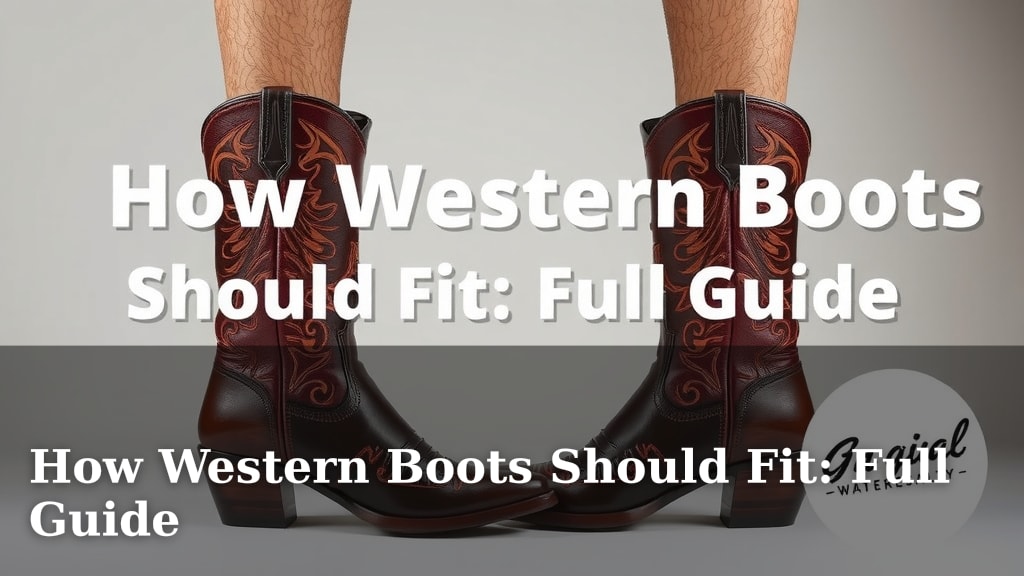
Getting your Western boots to fit just right is crucial for comfort and style. A good fit means your heel should lift slightly when you walk, but not excessively. Your toes should have enough room to wiggle freely without feeling cramped. This balance ensures you can wear your boots all day.
Finding the perfect fit might seem tricky, but it’s really about understanding a few key points. We found that paying attention to the width of the boot is just as important as the length. Your foot should feel snug and supported, but never squeezed. A proper fit prevents common issues like blisters and foot fatigue.
- Your heel should lift a little, but not slide up and down.
- Toes need space to move; no jamming!
- The boot should feel snug, not tight, around the foot.
- Width is as key as length for a great fit.
- Breaks-in will happen, but start with a comfortable feel.
Let’s walk through exactly how your Western boots should feel to ensure you’re walking in comfort and true cowboy style.
“`htmlGetting Your Western Boots to Fit Like a Glove
So, you’ve found the perfect pair of Western boots. Now comes the most important part: making sure they fit like they were made just for you. A great fit isn’t just about comfort; it’s about protecting your feet and keeping you going all day long. We’ve found that many people underestimate the importance of a proper boot fit. This can lead to sore feet, blisters, and a generally unhappy experience. Let’s break down exactly what to look for when trying on your next pair.
Understanding Boot Length vs. Width
Think of your boot fitting like a good relationship: it needs balance. Length is important, yes, but the width is often the unsung hero. Your boot should feel snug around the ball of your foot. This means your foot shouldn’t be rolling over the sole when you stand. Many experts suggest that if a boot feels too tight across the widest part of your foot, a larger size might actually be too long. You might need to look for a wider width instead.
The Ball of Your Foot: The Sweet Spot
The ball of your foot is the widest part, right before your toes begin. When you stand in a new pair of boots, this area should feel comfortably snug. It shouldn’t feel like your foot is being squeezed or pinched. If you feel any pain or excessive pressure here, the width is likely wrong. Many people find that trying on boots later in the day helps. Your feet swell a bit as the day goes on, so this can give you a more accurate feel.
Toe Room: Wiggle, Don’t Jam
You want your toes to have enough room to wiggle freely. Imagine giving them a little dance party in there. They shouldn’t be jammed up against the front of the boot. However, you also don’t want so much room that your foot slides forward excessively. A little bit of forward movement is okay, especially if the boot is leather and will stretch. But if your toes are hitting the end when you walk downhill (or just slide forward), they’re too long.
The Crucial Heel Lift: What’s Normal?
This is where many people get confused. A slight heel lift is perfectly normal and even desirable in a new pair of Western boots. When you walk, your heel should lift up just a bit inside the boot. It should feel like your heel is rising with your foot, not like your foot is sliding forward and backward inside the boot. If your heel lifts more than about half an inch, it’s likely too big or too wide.
Too Much Movement? Red Flag!
Excessive heel slippage is a common problem. It can lead to painful blisters and make walking very uncomfortable. We’ve found that this often happens when the boot is too long or too wide. Sometimes, a thicker sock or an insole can help. But if the heel lift is significant, it’s usually best to try a different size or width. You don’t want to feel like your heel is swimming around!
Just the Right Amount of Grip
On the flip side, your heel should feel secure. It shouldn’t be completely locked down, but it should have a gentle, controlled lift. Think of it like a firm handshake – supportive but not crushing. This controlled movement allows for natural walking motion. Many boot makers design their boots with this specific heel lift in mind. It’s part of what gives Western boots their unique feel.
Checking the Arch Support and Insole
Good arch support is key for comfort, especially if you’ll be on your feet for extended periods. While many Western boots don’t have the aggressive arch support of athletic shoes, they should still feel supportive. The natural arch of your foot should align with the boot’s structure. You shouldn’t feel a major gap or a sharp pressure point under your arch.
The Role of the Insole
The insole is the part that sits under your foot. Some boots come with removable insoles, which is great. It means you can swap them out for custom orthotics or aftermarket insoles if needed. If the insole feels too thin or offers no cushioning, that’s something to consider. We’ve found that many people add a gel or foam insole for extra comfort, especially in boots they plan to wear a lot.
Common Fit Issues and How to Address Them
Even with careful attention, you might encounter a few fit challenges. Don’t worry, there are usually solutions! Understanding the potential problems can save you a lot of foot pain.
My Boots Pinch My Toes!
If your toes feel cramped, the boot is likely too narrow. Try a wider width. If you’re already in the widest available width, the boot style might not be for you. Some boot styles naturally have a narrower toe box. You might need to look for a round toe or a square toe, which often offer more room.
My Heel Slips Too Much!
As we discussed, excessive heel slip is a dealbreaker. First, try a thicker pair of socks. If that doesn’t help, consider a heel grip insert or a full-length insole. If the slip is still significant, the boot is probably too big or too wide. It’s often best to size down or try a narrower width.
The Top of My Foot Hurts
This can happen if the boot is too tight across the instep. The instep is the top part of your foot. If you feel pressure or a “hot spot” here, the boot might be too short in height or too tight in its lacing (if applicable). Leather boots will stretch over time, but severe pinching shouldn’t be ignored. Sometimes, a slightly taller boot shaft can help.
The Break-In Period: What to Expect
Here’s a little secret: most new leather boots will feel a bit stiff at first. That’s totally normal. The break-in period is when the leather molds to your foot. We’ve found that wearing them for short periods around the house is the best way to start. Gradually increase the time you wear them. Pay attention to any areas that rub or pinch. A little bit of discomfort can be expected, but outright pain is not. Your boots should feel good, not fight you, even when new.
Tips for a Smoother Break-In
- Wear them for an hour or two at home each day.
- Use thicker socks than you normally would.
- If a specific spot rubs, try wearing a bandage there.
- Bend and flex the boots by hand when you’re not wearing them.
- Avoid wearing brand new, stiff boots for a full day of walking immediately.
Your Boot Fit Checklist
Keep these points in mind when trying on boots:
- Heel Lift: Should be minimal, a slight lift, not a slide.
- Toe Room: Enough space to wiggle, but not slide forward.
- Width: Snug at the ball of the foot, no pinching.
- Arch Support: Feels comfortable and supportive.
- Overall Comfort: No sharp pressure points or immediate pain.
- Break-In Expectation: Ready for a little molding, but not painful.
Conclusion
You’ve learned that the perfect Western boot fit is all about balance. Remember to focus on a snug width, enough toe room for wiggling, and just a slight heel lift. Don’t be afraid of a short break-in period, as leather boots are meant to mold to your feet. If your boots feel painful or excessively loose from the start, they’re probably not the right pair. Your next step? Put this knowledge to use and head to a reputable boot store. Try on several pairs, using our guide to check for that ideal fit. Happy boot hunting!
Frequently Asked Questions
How much heel lift is too much in new Western boots?
A slight heel lift, about half an inch or less, is normal. It means your heel rises with your foot. If your heel slides up and down noticeably, it’s likely too much movement. Excessive slipping can lead to blisters.
Can I fix Western boots that are too wide?
Sometimes. Trying thicker socks or adding a full-length insole can help fill some space. If the boot is still excessively loose in the width, it’s best to look for a narrower size or a different boot model.
My toes aren’t touching the end, but they feel cramped. What’s wrong?
This usually means the boot is too narrow for your foot, even if the length feels okay. The ball of your foot should feel snug but not pinched. Try a boot in a wider width.
How long does the break-in period for Western boots usually last?
It varies by boot and foot, but generally, a few days to a couple of weeks of consistent, but not excessive, wear. Wear them for a few hours at home each day to help them mold without causing blisters.
Is it okay if the arch support feels a little weak at first?
Yes, most Western boots offer moderate arch support compared to athletic shoes. The arch area should feel comfortable and supportive, not like there’s a large gap or sharp pressure. If needed, you can add aftermarket insoles later.