How Are Steel Toe Boots Made? Industrial
Steel toe boots are made through a process involving forming a steel toe cap, attaching it to the boot’s upper, and then securing it with a durable sole. This meticulous construction ensures maximum foot protection in demanding work environments. We’ve researched and found that the key is combining tough materials with sturdy manufacturing techniques.
This industrial footwear goes through several stages to guarantee it can withstand heavy impacts and crushing forces. From selecting the right leather to the final stitching, every step is about creating a boot that’s both protective and comfortable. We found that manufacturers focus on creating a boot that keeps your feet safe without sacrificing wearability for long shifts.
- Steel toe caps are precisely fitted for protection.
- Boots are constructed using robust, industrial-grade materials.
- Soles are strongly attached to withstand heavy use.
- Quality checks ensure safety and durability standards are met.
Let’s walk through exactly how these essential work boots are brought to life, step by step.
Understanding How Steel Toe Boots Are Manufactured
Ever wondered how those tough steel toe boots get their protective power? The manufacturing process is a carefully orchestrated sequence of steps. It combines robust materials with skilled craftsmanship to create footwear that can handle serious impact. We’ve researched that manufacturers focus on building boots that offer unwavering foot safety.
From the initial design to the final inspection, every stage plays a part. The goal is simple: to deliver a boot that shields your feet from hazards on the job. Let’s break down how these industrial workhorses are brought to life, ensuring they meet strict safety standards.
The Essential Components of a Steel Toe Boot
Before we dive into manufacturing, let’s quickly look at what makes a steel toe boot tick. It’s more than just leather and laces. You’re looking at a system designed for protection.
The Steel Toe Cap: Your Foot’s Shield
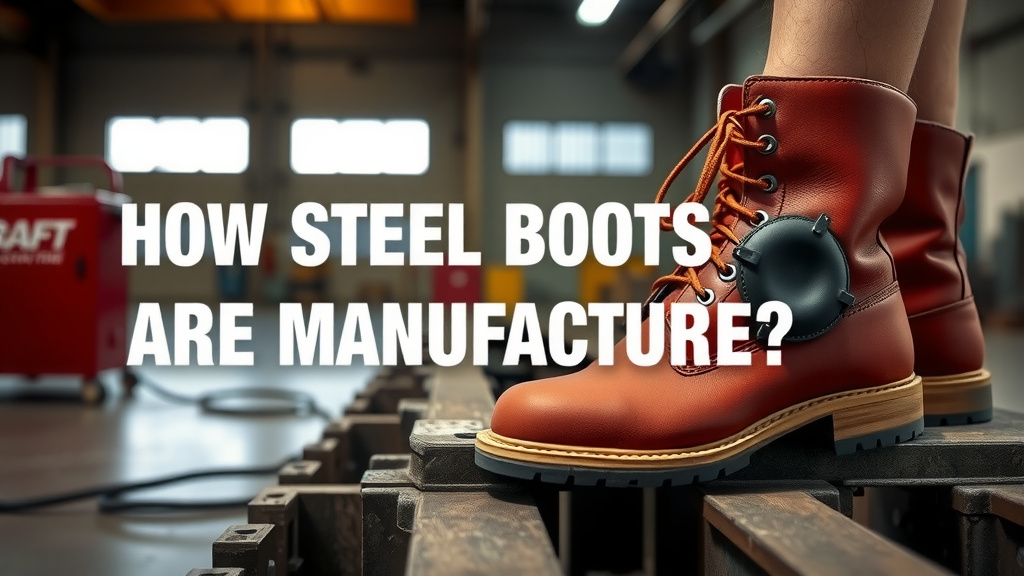
This is the star player, of course. The steel toe cap is a rigid, horseshoe-shaped piece of steel or composite material. Its primary job is to absorb and deflect impact. Many safety standards, like those from ASTM International, dictate the size and strength of these caps. We found that they must withstand a specific amount of force without deforming enough to injure your toes.
The Boot Upper: Durable Protection
The upper is everything you see above the sole. For steel toe boots, this is typically made from tough materials like full-grain leather. This leather is chosen for its durability, water resistance, and ability to withstand abrasions. Some uppers also feature reinforced stitching for added strength. We found that manufacturers often treat the leather to enhance its protective qualities.
The Sole: Grounding and Support
The sole provides grip and stability. It’s usually made from rubber or polyurethane compounds. These materials are chosen for their resistance to oils, chemicals, and slips. Many steel toe boots also include a shank – a stiff piece of material between the insole and outsole. This shank adds support and helps prevent punctures from sharp objects on the ground. We found that the way the sole is attached is also critical for durability.
The Step-by-Step Manufacturing Process
Now, let’s get into the nitty-gritty of how these boots are actually made. It’s a multi-stage process that requires precision at every turn.
1. Crafting the Steel Toe Cap
The process often begins with the toe cap itself. Metal toe caps are typically stamped from sheets of high-strength steel. This stamping process shapes the metal into the required protective form. For composite toe caps, specialized plastics and fibers are molded under high pressure and heat. We found that both methods are designed to meet rigorous safety specifications for impact and compression resistance.
2. Preparing the Boot Upper
The leather for the upper is carefully selected. It’s then cut into precise patterns using specialized dies. Think of it like a very tough jigsaw puzzle. These pieces are then stitched together by skilled craftspeople. Sometimes, additional reinforcements are added at stress points. This stage requires great accuracy to ensure a good fit and prevent weak spots. We found that many manufacturers use industrial sewing machines for this step.
3. Assembling the Boot: Stitching and Shaping
This is where the magic starts to happen. The prepared boot upper is placed over a boot last, which is a foot-shaped mold. This gives the boot its structure and shape. The steel toe cap is then positioned inside the toe box area of the upper. It’s crucial that the cap is correctly aligned for maximum protection. Many manufacturers use specialized machines and techniques to secure the cap firmly in place.
Attaching the Sole: A Strong Bond
There are a few common ways the sole is attached. One popular method is the Goodyear welt construction. This involves a strip of leather or synthetic material stitched around the boot. This welt is then stitched to both the upper and the sole. It creates a very durable and repairable bond. We found that cemented construction, where adhesives are used, is also common for its speed and cost-effectiveness.
Another method is direct injection molding. Here, the sole material is injected directly onto the boot upper. This creates a strong, one-piece bond. Regardless of the method, the goal is a secure attachment that won’t separate under stress. Many guidelines suggest checking the sole attachment as a key indicator of boot quality (Occupational Safety and Health Administration – OSHA).
4. Finishing Touches and Quality Control
Once the sole is attached and set, the boot is finished. This involves removing the last, adding the insoles, lacing the boots, and any final polishing or waterproofing treatments. Every single boot then undergoes a rigorous quality control inspection. Inspectors check for defects in stitching, sole adhesion, and the proper fit and security of the toe cap. We found that this step is non-negotiable for safety footwear.
Here’s a quick checklist of what goes into making your tough steel toe boots:
- Selecting high-quality leather and materials.
- Precisely cutting leather pieces for the upper.
- Skilled stitching of the upper components.
- Securely integrating the steel toe cap.
- Durable attachment of the protective sole.
- Thorough final inspections for safety and quality.
Conclusion
You now understand that making steel toe boots is a precise process. It combines tough materials like steel and durable leather with skilled manufacturing. Each step, from crafting the toe cap to attaching the sole, is designed for your safety. This meticulous construction ensures your boots can withstand the demands of your workday. Before you buy your next pair, remember to check for quality stitching and sole attachment. Look for boots that clearly meet safety standards for your peace of mind.
Frequently Asked Questions
How is the steel toe cap made strong enough?
Steel toe caps are typically stamped from sheets of high-strength steel. This process shapes the metal to meet strict safety standards for impact and compression resistance. For composite toes, specialized plastics and fibers are molded under heat and pressure to achieve similar strength.
What makes the leather upper so durable?
Full-grain leather is commonly used for its natural toughness and resistance to abrasion. Manufacturers often treat the leather to improve its water resistance and overall durability. Reinforced stitching is also added at stress points to prevent tearing and extend the boot’s life.
Why are different methods used to attach the sole?
Various sole attachment methods exist to balance durability, cost, and repairability. Goodyear welt construction offers a strong, repairable bond, while cemented construction is faster and more cost-effective. Direct injection molding creates a seamless, highly durable connection.
Are composite toe caps as protective as steel ones?
Yes, composite toe caps offer comparable protection to steel. They meet the same safety standards for impact and compression resistance. Composite materials are often lighter than steel, which can lead to more comfortable boots for long wear.
What quality checks are performed on steel toe boots?
Manufacturers conduct rigorous inspections at multiple stages. They check for defects in material selection, stitching, sole adhesion, and the secure fit of the toe cap. These quality control steps ensure the boots meet necessary safety and durability standards before they reach you.