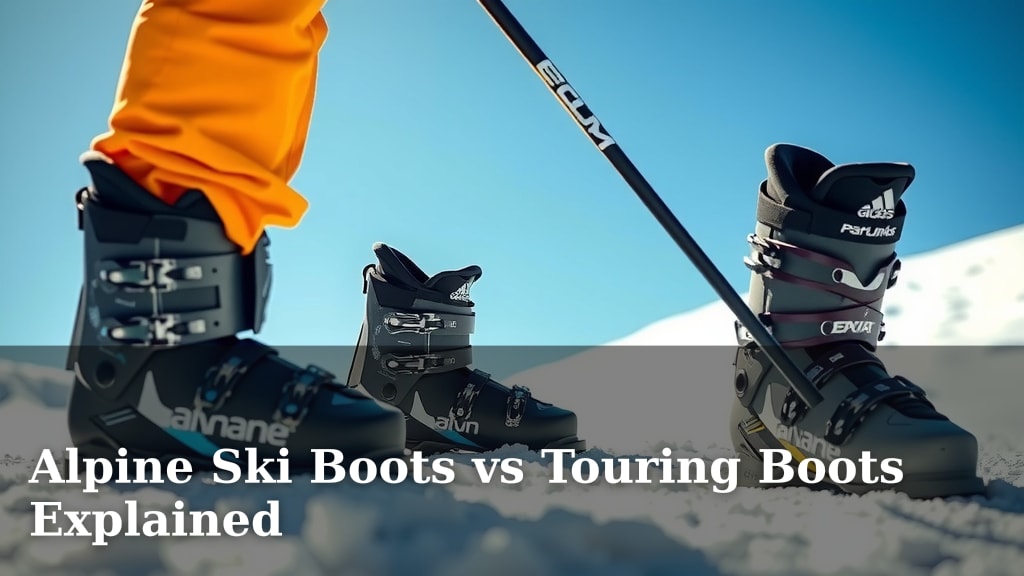
Alpine Ski Boots vs Touring Boots Explained
Alpine ski boots and touring boots are different because they are built for **distinct purposes**. Alpine boots prioritize **downhill performance** and support. Touring boots are designed for both uphill travel and downhill skiing, offering **lighter weight and mobility**.
Choosing the right boot makes a big difference in your comfort and control on the mountain. Think of alpine boots as your trusty downhill chariot. Touring boots are more like a versatile all-terrain vehicle for your feet, ready for any adventure. We found that understanding these differences is key to happy skiing.
- Alpine boots = downhill power.
- Touring boots = uphill and downhill versatility.
- Alpine boots are heavier and stiffer for control.
- Touring boots are lighter with walk modes for climbing.
- Your choice depends on how you plan to ski.
Ready to figure out which type is best for your ski days? Let’s break down what makes each boot tick.
Alpine vs. Touring Boots: What’s the Real Difference for Your Skiing?
You’re probably wondering what makes one ski boot different from another. It really boils down to what you plan to do on the mountain. Alpine boots are built for pure downhill ripping. Touring boots are designed for a bit of everything, especially getting uphill. We found that understanding this core difference is key to choosing the right pair for your adventures.
Alpine Ski Boots: The Downhill Specialists
Think of alpine ski boots as your trusty, high-performance car for the ski resort. They are engineered for one primary purpose: maximum control and power transmission on groomed runs and in the park. They excel at hugging those ski edges and letting you carve precise turns.
Construction and Features of Alpine Boots
Alpine boots are generally heavier and stiffer than their touring counterparts. This isn’t a flaw; it’s a design choice. The stiffer materials and more robust construction provide the support you need to handle high speeds and aggressive skiing. You’ll often see a higher flex rating on these boots, indicating their resistance to bending forward.
Stiffness and Flex
The flex index is a key number. Higher numbers mean a stiffer boot. For aggressive skiers or those who want maximum responsiveness, a flex of 110 or higher is common. Beginners might start with a flex in the 80-100 range. We found that finding the right flex is often a personal preference tied to weight and skiing style.
Cuff and Shell Design
The cuff of an alpine boot is typically fixed and provides excellent lateral support. The shell is designed to be snug, offering a precise fit for better feel and control. Many alpine boots also feature micro-adjustable buckles for fine-tuning the fit.
Who Should Choose Alpine Boots?
These boots are ideal for skiers who spend most of their time at ski resorts. If your idea of a perfect ski day involves lift-served terrain, carving groomers, hitting jumps in the park, or charging powder bowls within resort boundaries, alpine boots are likely your best bet. They offer the performance and power needed for these activities.
Touring Ski Boots: The All-Mountain Explorers
Touring boots, also known as backcountry or AT (Alpine Touring) boots, are built with duality in mind. They need to perform well on the downhill, just like alpine boots, but they also need to allow for comfortable and efficient travel uphill on your own power. This dual-purpose design leads to some distinct differences.
Key Features of Touring Boots
The most defining feature of touring boots is their walk mode. This mechanism disengages the upper cuff from the lower shell, allowing for a much greater range of motion. This dramatically improves your stride when hiking or skinning uphill. We’ve found this feature makes a huge difference in comfort and efficiency on climbs.
Weight and Materials
To make that uphill journey easier, touring boots are significantly lighter than alpine boots. Manufacturers achieve this by using lighter plastics and innovative construction techniques. Some high-end touring boots even incorporate carbon fiber for a blend of lightness and stiffness. Many experts agree that reducing weight is critical for long days in the backcountry (NCBI).
Sole and Grip
Touring boots often have different sole designs. They might feature more aggressive rubber lugs for better grip on rocks and ice when you’re hiking through sections where skis aren’t an option. The sole length can also differ, impacting how they interact with specific touring bindings.
Who Should Choose Touring Boots?
These boots are perfect for anyone interested in backcountry skiing. This includes accessing remote powder stashes, climbing peaks to ski down, or participating in ski mountaineering. If you plan to venture beyond the boundaries of a ski resort and earn your turns, touring boots are essential. They’re also a great option for resort skiers who prioritize lighter gear and the option to explore off-piste terrain.
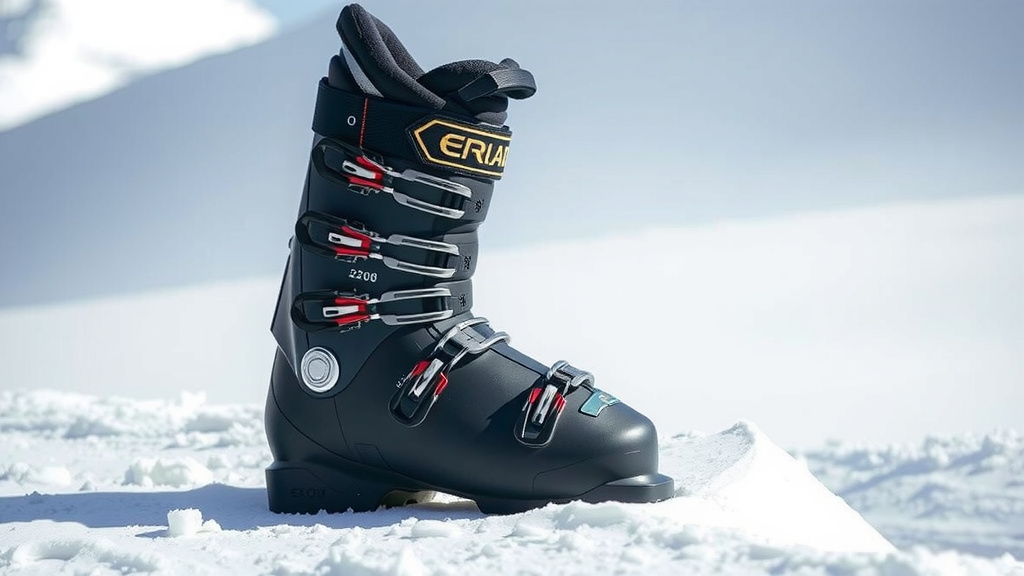
Comparing Alpine and Touring Boots Side-by-Side
Let’s lay out the main distinctions so you can see them clearly. This comparison should help you visualize the key differences. We found that looking at these points side-by-side is incredibly helpful for decision-making.
| Feature | Alpine Ski Boots | Touring Ski Boots |
|---|---|---|
| Primary Use | Downhill skiing at resorts | Uphill travel and downhill skiing (backcountry) |
| Weight | Heavier | Lighter |
| Stiffness (Flex) | Generally stiffer (higher flex numbers) | Can range, but often less stiff or adjustable |
| Walk Mode | No | Yes (essential feature) |
| Mobility for Hiking | Limited | Excellent (with walk mode) |
| Durability (for climbing) | Less suited for rough terrain | Often more durable for varied surfaces |
Making Your Final Boot Decision
So, how do you decide? It really comes down to your skiing habits and aspirations. Ask yourself these questions:
- Do you primarily ski at established ski resorts?
- Are you planning to buy touring bindings and venture into the backcountry?
- Is weight a major concern for you, even for resort days?
- Do you value maximum downhill performance above all else?
- Do you want the flexibility to hike to untouched snow?
Answering these will point you toward the right boot category. For most resort skiers, alpine boots are the standard. If the call of the backcountry is strong, or you just want a lighter, more versatile option, then touring boots deserve your serious consideration.
Conclusion
You now understand the core differences between alpine and touring ski boots. Alpine boots deliver maximum downhill performance for resort skiing. Touring boots offer lighter weight and uphill mobility for backcountry adventures. Your choice depends on where and how you ski. If you’re mostly at resorts, alpine boots are your go-to. If you dream of earning your turns or want a lighter option, touring boots are the way to go. Take this knowledge to your local shop and find the perfect pair for your feet!
Frequently Asked Questions
Can I use alpine boots for backcountry touring?
Generally, it’s not recommended. Alpine boots lack the necessary walk mode for comfortable uphill travel and are much heavier. While they will ski downhill, the uphill experience would be very difficult and inefficient.
Are touring boots good for skiing at a resort?
Yes, many touring boots perform very well for resort skiing. They are lighter, which can be more comfortable for long days. Some resort skiers choose them for their versatility, even if they don’t plan to tour regularly.
How important is boot stiffness (flex) for my skiing?
Flex is quite important for control. Aggressive skiers or heavier individuals often need a stiffer boot for responsive power transfer. Lighter skiers or beginners usually benefit from a softer flex for easier control and comfort.
What does “walk mode” on a touring boot actually do?
The walk mode releases the cuff from the boot’s lower shell. This allows for a much greater range of motion, enabling a more natural stride when hiking or skinning uphill. It significantly reduces fatigue on ascents.
How much heavier are alpine boots compared to touring boots?
Alpine boots are typically heavier. While exact weights vary by model, you can expect touring boots to be anywhere from 20% to 50% lighter per pair than comparable alpine boots.