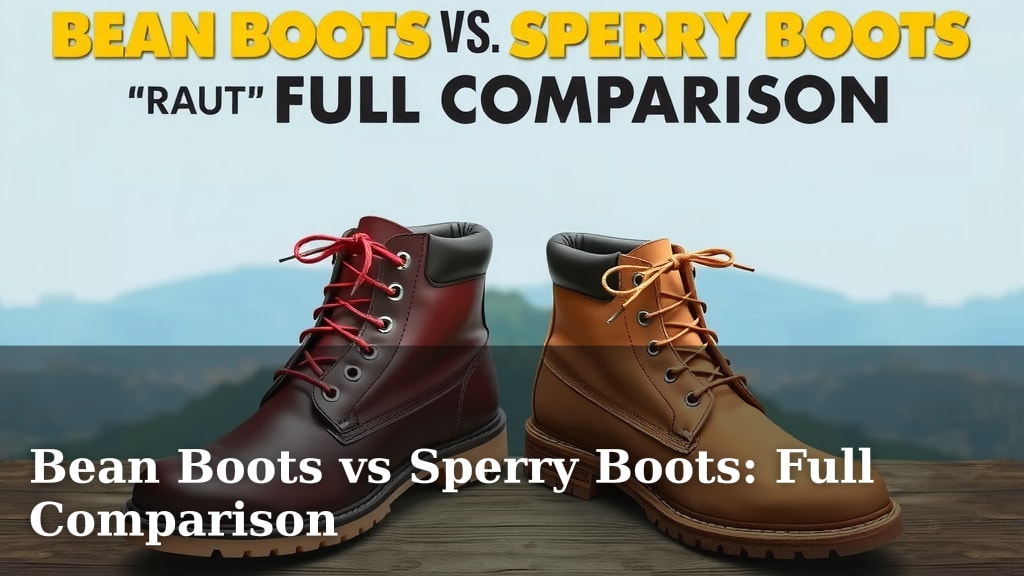
Bean Boots vs Sperry Boots: Full Comparison
When choosing between Bean Boots and Sperry Boots for your footwear needs, consider that Bean Boots offer superior waterproof protection and rugged durability, making them ideal for wet and muddy conditions. Sperry Boots, on the other hand, provide a more stylish, casual look suitable for drier, everyday wear. Both are American classics, but their primary strengths lie in different areas of performance and style.
Bean Boots, by L.L.Bean, are renowned for their iconic chain-tread rubber sole and hand-stitched, waterproof leather uppers. They’ve been a go-to for outdoor enthusiasts for over a century. Sperry Top-Siders, originally designed for sailors, are famous for their non-slip siping and moc-toe construction, perfect for boating and a relaxed vibe. We found that understanding their origins helps clarify their best uses.
TL;DR:
- Bean Boots = Best for waterproof, rugged outdoor use.
- Sperry Boots = Best for casual, everyday wear and drier conditions.
- Bean Boots have a higher shaft and more robust sole.
- Sperry Boots are known for their classic boat shoe aesthetic.
- Choose based on your primary need: weather protection vs. style.
Deciding which boot is right for you depends on your lifestyle and what you’ll be doing. Let’s break down their features side-by-side so you can make the best choice.
Bean Boots vs. Sperry Boots: A Head-to-Head Comparison
When you’re looking for a reliable pair of boots, you want something that fits your life. Whether you’re navigating city streets, hiking trails, or just enjoying a casual weekend, your footwear needs to perform. We’ve found that comparing the iconic Bean Boot from L.L.Bean and the classic Sperry boot reveals clear differences. Each has its own strengths. Let’s dive into what makes them unique and which one might be your next favorite pair.
Understanding the Heritage and Purpose
Knowing where a boot comes from often tells you what it’s best for. Both L.L.Bean and Sperry have deep roots in American history. They designed their footwear to solve specific problems for people in certain environments.
The L.L.Bean Boot: Built for the Outdoors
L.L.Bean’s Bean Boot was born out of necessity. Leon Leonwood Bean himself wanted a boot that kept his feet dry while hunting in Maine. He combined a rubber bottom with leather uppers. This design was revolutionary for its time. It quickly became a favorite for anyone who faced wet, muddy terrain. Many users today still praise its legendary waterproofing and durable construction.
The Sperry Boot: Designed for the Water
Sperry’s story starts with Paul Sperry, a sailor. He noticed his dog’s ability to grip wet surfaces. This inspired him to create a unique tread pattern for his own shoes. He used a knife to cut small grooves into the sole, mimicking his dog’s paws. This innovation led to the creation of the first non-slip boat shoe. Sperry boots are known for their classic style and excellent grip on wet decks.
Key Features: A Closer Look
Let’s break down the tangible features that set these boots apart. This will help you see where each excels.
Waterproofing and Material
When it comes to keeping your feet dry, the Bean Boot typically takes the lead. Most Bean Boots feature a waterproof rubber bottom that extends up the foot. The uppers are usually made of high-quality, water-resistant leather. We found this combination makes them exceptionally good for rain, snow, and mud. They are practically designed to get wet.
Sperry boots offer varying levels of water resistance. Some models are fully waterproof, especially those designed for harsher weather. However, many classic Sperry boots have leather uppers that are treated for water resistance but are not entirely waterproof. They are better suited for damp conditions rather than full immersion. You might find they offer a stylish defense against light rain.
Sole Design and Traction
The sole is where you see a major difference. Bean Boots are famous for their unique chain-tread rubber sole. This design provides excellent traction on a variety of surfaces, especially soft ground and mud. It’s a rugged sole built for performance in the elements. Many users report a secure feel even on slippery trails.
Sperry boots are defined by their siped rubber soles. These are small, razor-cut slits in the rubber that increase surface area and grip. This feature is especially effective on wet, smooth surfaces like boat decks. While good for general traction, they aren’t as deep or aggressive as the Bean Boot’s tread for thick mud. We found the siping provides confidence in slick situations.
Construction and Durability
Bean Boots are often hand-stitched, which speaks to their craftsmanship. The Goodyear welt construction, used in many models, allows for resoling, extending the boot’s life. This makes them a long-term investment for outdoor enthusiasts. The robust materials and construction methods mean they can handle a lot of wear and tear. Many people own their Bean Boots for decades.
Sperry boots are also well-made, with strong stitching and durable materials. The moc-toe construction is a hallmark of their design, offering a comfortable fit. While durable for everyday wear, they might not be built for the same level of extreme abuse as a dedicated hiking or hunting boot. You can expect good longevity for their intended use. Their construction focuses on a balance of style and function.
Comfort and Fit
Bean Boots often have a firmer feel, especially when new. Because they are designed for rugged use, they might require a short break-in period. The fit is generally accommodating, especially in the toe box. Many come with options for different widths. The higher shaft on many models provides good ankle support.
Sperry boots are often praised for their immediate comfort right out of the box. The softer leather and flexible sole contribute to an easy wear experience. They tend to fit more like a casual shoe. For all-day wear where you’re on your feet but not tackling rough terrain, they can be very comfortable. We found their fit to be generally true to size for most people.
Style and Versatility: Where Do They Fit?
Beyond performance, how do these boots fit into your wardrobe? This is where personal preference plays a big role.
The Rugged Aesthetic of Bean Boots
Bean Boots have an undeniably classic, utilitarian look. Their design is iconic and instantly recognizable. They pair well with jeans, outdoor gear, and casual outfits. The look is down-to-earth and practical. They’re a favorite among people who appreciate functional fashion and a connection to the outdoors. You’ll see them everywhere from college campuses to campsites.
The Casual Charm of Sperry Boots
Sperry boots embody a more relaxed, preppy, or nautical vibe. They look great with shorts, chinos, and lighter casual wear. They are a staple for warmer weather and a polished casual look. Their versatility makes them suitable for a range of social settings, from a backyard BBQ to a day out on the town. They offer a touch of understated sophistication.
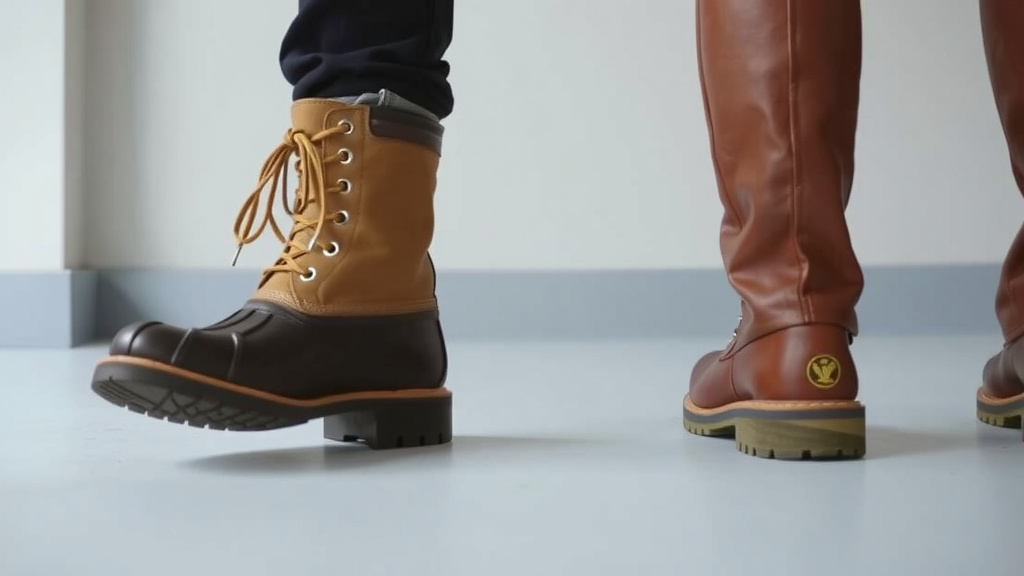
A Quick Comparison Table
| Feature | L.L.Bean Bean Boots | Sperry Boots |
|---|---|---|
| Primary Use | Wet weather, outdoor activities, rugged terrain | Casual wear, light rain, boating, dry conditions |
| Waterproofing | Excellent (most models) | Good (varies by model) |
| Traction | Superior on mud/soft ground (chain-tread) | Excellent on wet, smooth surfaces (siping) |
| Durability | Exceptional, built for long-term rugged use | Good for everyday wear, stylish longevity |
| Comfort | Requires break-in, firm support | Comfortable out of the box, flexible |
| Style | Utilitarian, rugged, classic outdoor | Casual, preppy, nautical, relaxed |
Making Your Final Choice: A Checklist
To help you decide which boot is the best fit for you, ask yourself these questions:
- Will you be walking through puddles, mud, or snow regularly?
- Do you need boots that are truly waterproof for extended periods?
- Are you looking for boots primarily for casual wear and dry, everyday conditions?
- Is all-day, out-of-the-box comfort your top priority?
- Do you prefer a rugged, utilitarian look or a more relaxed, casual style?
- What kind of traction do you need most often – soft ground or slick surfaces?
Conclusion
Ultimately, your choice between Bean Boots and Sperry Boots comes down to your specific needs. If you prioritize top-notch waterproofing and rugged durability for wet, muddy adventures, the Bean Boot is your clear winner. For a more casual, everyday boot that offers style and decent traction on drier days, the Sperry is an excellent choice. We’ve found that understanding their heritage helps guide you. Consider your lifestyle and the conditions you’ll face most often. Think about where you’ll wear them most and make the decision that best suits your daily life.
Frequently Asked Questions
Can I wear Bean Boots in the city, or are they only for the outdoors?
Bean Boots are versatile, but their rugged construction is best suited for outdoor activities. While you can certainly wear them for casual city strolls, especially in wet weather, they offer more benefits when you’re facing mud, rain, or snow. Their utilitarian style pairs well with casual city outfits too.
Are Sperry boots good for actual rain, or just damp conditions?
Many classic Sperry boots are treated for water resistance, making them suitable for light rain and damp conditions. If you need reliable waterproofing for heavy rain or snow, look for specific Sperry models designed for harsher weather. These often feature fully waterproof materials and construction.
Which boot will be more comfortable for all-day wear without breaking in?
Sperry boots are generally known for being more comfortable right out of the box. Their construction tends to be more flexible, and the materials often feel softer initially. Bean Boots, designed for ruggedness, might require a short break-in period to achieve peak comfort.
Can Bean Boots or Sperry Boots be resoled?
Bean Boots, particularly those with Goodyear welting, are often designed to be resoled, which can significantly extend their lifespan. This makes them a great long-term investment for heavy use. Sperry boots are typically not designed for resoling in the same way, though their durability is still good for their intended casual use.
Which boot offers better ankle support?
Bean Boots often feature a higher shaft, which typically provides better ankle support compared to most Sperry boot models. This additional coverage is beneficial when navigating uneven terrain where stability is important.