How Are Soccer Boots Made? Behind the Scenes
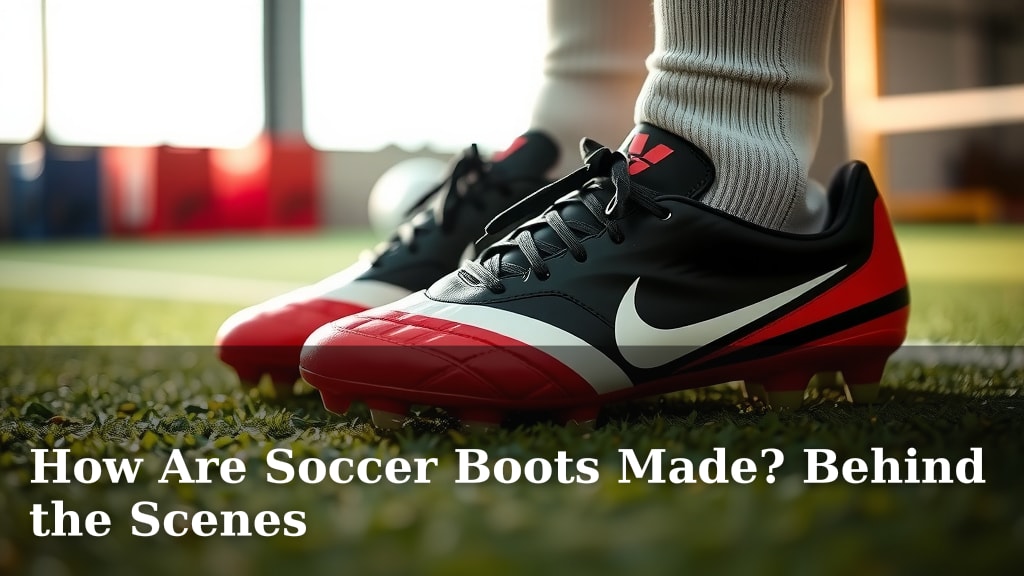
Soccer boots are made through a fascinating process combining synthetic materials and natural leather. Skilled craftspeople carefully stitch and mold these components. The goal is to create a boot that enhances player performance and comfort on the field. It’s quite the operation!
From initial design to the final stitch, each step matters. Manufacturers consider factors like durability, flexibility, and grip. Different boot types are engineered for specific playing surfaces. This ensures players have the right gear for every condition they might face.
- Soccer boots are made using a mix of leather and synthetics.
- The process involves careful stitching and molding.
- Design focuses on performance and comfort.
- Different boots suit various playing surfaces.
Let’s take a closer look behind the scenes at how your favorite soccer boots come to life, step by step.
How Soccer Boots Are Brought to Life: A Step-by-Step Look
Ever wonder what goes into making those sleek soccer boots? It’s a blend of old-school craftsmanship and modern tech. Manufacturers carefully pick materials. They then shape them into footwear that helps you play your best. Let’s go behind the scenes and see how it all happens.
The Design and Material Selection Process
Before any stitching begins, there’s a lot of thought put into the design and materials. Designers sketch out ideas. They consider what players need on the field. This means thinking about speed, control, and comfort.
Choosing the Right Upper Materials
The part of the boot that covers your foot is called the upper. This is where material choice really matters. You’ll find two main types.
Natural Leather: The Classic Choice
Many boots still use natural leather, like kangaroo or calfskin. Leather is known for its softness and ability to mold to your foot. This often leads to a very comfortable, custom fit over time. It can also offer good ball feel. However, leather can be heavier and doesn’t always perform well in wet conditions.
Synthetic Materials: The Modern Advantage
Synthetic materials are also very popular. Think materials like PU (polyurethane) or mesh. These are often lighter than leather. They can be engineered to be very durable and water-resistant. Some synthetics offer a tighter, more supportive feel. They can also be easier to clean and maintain. Many find them to be a great balance of performance and practicality.
Designing the Soleplate and Studs
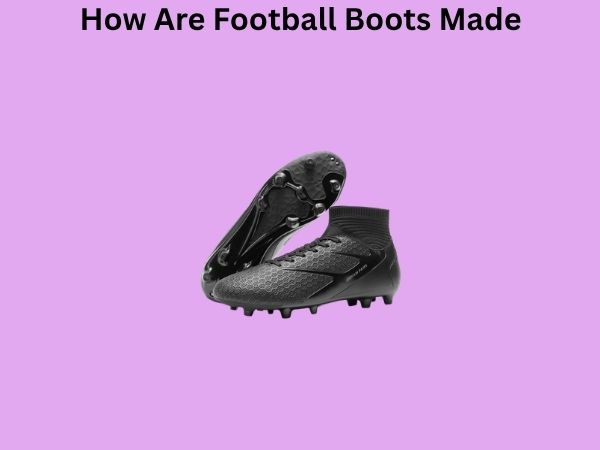
The soleplate is the bottom of the boot. It’s where the studs, or cleats, are attached. This part is engineered for traction and stability.
Types of Soleplates and Stud Configurations
The type of soleplate and how the studs are arranged depend on the playing surface. You’ll see different types:
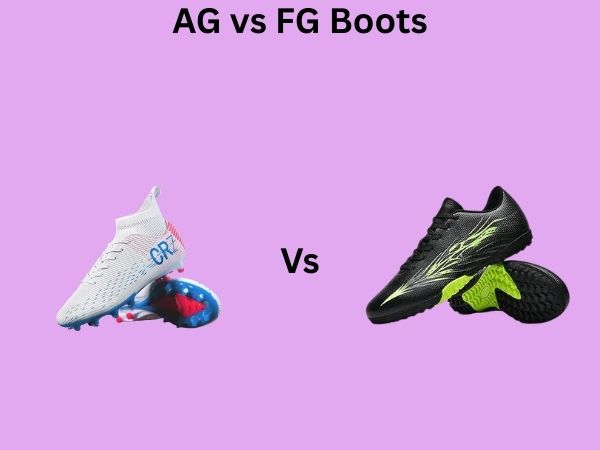
- Firm Ground (FG): These have conical or bladed studs for natural grass fields. They help you dig in and change direction quickly.
- Artificial Ground (AG): AG boots have more, shorter studs, often in a bladed pattern. This distributes pressure better on artificial turf.
- Soft Ground (SG): These feature fewer, longer, metal-tipped studs. They are designed for wet, muddy fields where you need maximum grip.
- Turf (TF): These have many small rubber nubs. They offer cushioning and grip on artificial turf or hard, packed surfaces.
We found that many players prefer FG for most conditions. But using the right boot for the surface can prevent injuries and improve performance (American Orthopaedic Foot & Ankle Society).
The Manufacturing Process: From Flat Piece to Finished Boot
Once the design is set and materials are chosen, the boots start to take shape. This involves several key manufacturing stages.
Cutting the Materials
The chosen upper materials are laid out. Specialized machines or skilled workers then cut out the various pieces needed for each part of the boot. This includes panels for the sides, toe box, and heel counter. Accuracy here is key to ensuring the boot fits together properly later.
Stitching and Assembly of the Upper
This is where the boot really begins to look like a boot. The cut pieces of leather or synthetic are stitched together. This is often done by experienced sewers who are precise with their work. They create the main body of the upper. Reinforcements are added in high-wear areas for extra durability.
Lasting the Boot
A ‘last’ is a foot-shaped mold. The stitched upper is stretched and pulled tightly over this last. This process, called lasting, gives the boot its three-dimensional shape. The edges of the upper are then secured, often by gluing or stitching them to the insole.
Attaching the Soleplate
The soleplate, with its studs attached, is then expertly bonded or stitched to the lasted upper. Many modern boots use a strong adhesive to attach the soleplate. This creates a durable and flexible connection. Some high-end boots might still use a stitching method for added strength. This step requires great precision to ensure the boot is well-balanced and supportive.
Adding the Insole and Laces
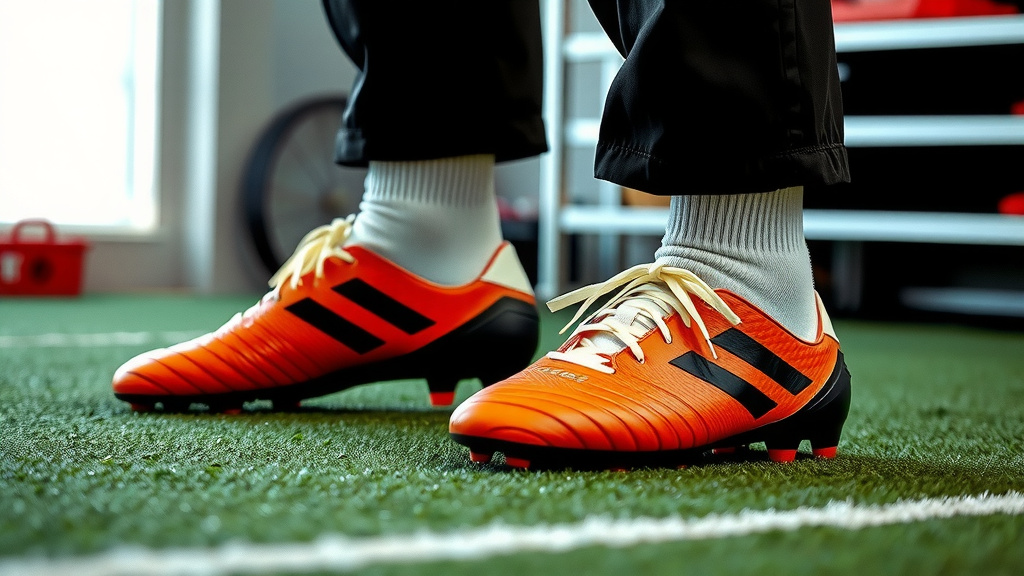
Finally, the insole, which provides cushioning and support inside the boot, is inserted. Laces are threaded through the eyelets. Your soccer boots are almost ready for action!
Quality Control and Final Checks
Before any pair of soccer boots makes it to your feet, they go through a rigorous quality control process. Inspectors check for any flaws.
They look at the stitching to make sure it’s neat and strong. They check that the soleplate is securely attached. The fit and finish are examined closely. Any boots that don’t meet the high standards are rejected. This ensures you get a pair that is both durable and performs well.
To sum up the journey, here’s a quick checklist of what happens:
- Design and material selection
- Cutting out the upper components
- Stitching the upper together
- Lasting the upper over a mold
- Attaching the soleplate and studs
- Adding insoles and laces
- Final quality inspection
Conclusion
You’ve seen how soccer boots transform from flat material into performance-enhancing gear. It’s a detailed process combining craftsmanship and technology. From selecting the perfect upper material to engineering the soleplate for traction, every step is critical. Manufacturers ensure your boots are built for durability and comfort, ready for any pitch. Now that you know what goes into your boots, you can appreciate the engineering behind your next pair. Consider the playing surface next time you shop to get the best performance and protection!
Frequently Asked Questions
How long does it take to make a pair of soccer boots?
The entire manufacturing process, from initial design to final quality check, can take several weeks. The assembly itself, involving stitching and molding, is done efficiently by skilled workers. Factors like material availability and production volume also influence the total time.
Are soccer boots made by hand or machines?
It’s a combination of both. Machines are used for precision cutting of materials and sometimes for molding soleplates. However, many critical steps like stitching the upper and attaching the soleplate require the expertise of skilled craftspeople.
What’s the difference between leather and synthetic boot manufacturing?
Leather boots require careful cutting and molding to fit the foot shape naturally over time. Synthetic boots often involve more automated processes for cutting and stitching, and the materials can be engineered for specific properties like water resistance or lightness.
Why is the soleplate design so important in soccer boot manufacturing?
The soleplate and stud configuration are engineered for optimal traction and stability on specific playing surfaces. Proper design helps prevent slips, improves acceleration, and can even help reduce the risk of injury by providing the right grip.
Can you tell if a soccer boot has gone through good quality control?
Look for neat and even stitching, a securely attached soleplate with no gaps, and a consistent finish across the entire boot. Reputable brands invest heavily in quality control to ensure boots meet high standards for performance and longevity.