Find Your Perfect Fit: How Hiking Boots Should Feel
Your hiking boots should feel snug, not tight, with enough room to wiggle your toes. This ensures comfort on long hikes and prevents painful blisters. Properly sized boots mean less foot fatigue and a more enjoyable trekking experience.
Finding the right fit is key to happy feet. Too small, and you’ll get blisters and black toenails. Too big, and your feet will slide around, leading to aches and instability. We found that many hikers overlook the importance of this initial fit, leading to problems later on.
- Your toes should have wiggle room.
- Boots should feel snug, not painfully tight.
- Try them on with your hiking socks.
- Test them on an incline if possible.
Let’s walk through exactly how to find that perfect fit so you can hit the trails with confidence.
Getting Your Hiking Boot Size Just Right
Finding the perfect fit for your hiking boots is probably the most important step before you hit the trail. Your boots need to feel like an extension of your feet. We’ve found that a boot that’s too small can cause painful blisters and black toenails. Conversely, a boot that’s too big means your foot slides around. This causes rubbing and can lead to aches in your feet, ankles, and even knees.
Understanding Your Foot’s Needs
Before you even think about sizes, let’s consider your feet. Do you have wide feet? Narrow feet? Do you know your arch type? These factors play a huge role in how a boot will feel. Many brands offer different width options. It’s worth looking into these if you’ve struggled to find comfortable shoes in the past.
The Ideal Fit: What to Look For
When you try on boots, there are a few key things to check. You want a fit that is snug around the heel and midfoot. This prevents your foot from moving too much inside the boot. But, and this is a big but, you also need toe room. Your toes should not feel cramped or pressed against the front of the boot.
Toe Space: The Wiggle Test
The classic test is to see if you can wiggle your toes. You should have enough space to move them freely. This is especially important when hiking downhill. Your toes tend to push forward, and if there isn’t enough room, you’ll feel it. We found that having about a thumb’s width of space between your longest toe and the end of the boot is a good starting point.
Heel Lock: No Slipping Allowed
Your heel should feel secure. When you walk, your heel shouldn’t lift significantly inside the boot. A little bit of lift is okay initially, especially with stiffer boots, but excessive slipping will cause blisters. Many experts suggest walking around in the boots for a while to check for heel slippage.
When to Try On Boots
When do you try on hiking boots? Your feet actually swell throughout the day. This is due to gravity and the work they do. So, it’s best to try on hiking boots in the afternoon or evening. This mimics how your feet will feel after a few hours on the trail. We found that trying them on when your feet are at their largest gives you a more realistic sense of fit.
The Essential Hiking Sock Test
Never, ever try on hiking boots without wearing the socks you plan to hike in. Hiking socks are thicker than everyday socks. They provide cushioning and help wick away moisture. Wearing the wrong socks can completely throw off the fit. A thick sock can make a boot feel tight that was previously just right.
We learned that different sock materials also affect fit. Wool socks might be thicker than synthetic ones. Always use your preferred hiking sock material when testing boots. This ensures you’re assessing the fit accurately. It’s a simple step that makes a world of difference in comfort.
Testing Your Boots: Beyond Just Standing
Once you have the boots on with your socks, don’t just stand there. Walk around the store. Find a ramp or stairs if possible. Walk uphill and downhill. Pay attention to how your feet feel in each situation. Does anything pinch? Does your heel lift? Are your toes hitting the front on the downhill simulation?
The Incline Test: A Sneak Peek
Many outdoor gear stores have an incline ramp. This is your best friend for testing boot fit. Walking downhill on this ramp will tell you if your toes have enough room. If your toes jam into the front, the boots are likely too small or the toe box isn’t shaped right for your foot.
Common Sizing Pitfalls and How to Avoid Them
One common mistake is relying too much on your street shoe size. Hiking boot sizing can vary significantly between brands. What might be a size 9 in one brand could be a 9.5 or even a 10 in another. Always go by how the boot feels, not just the number on the box.
Another pitfall is buying boots that are too large, hoping to compensate with thicker socks. While thicker socks do take up space, they can’t fix a fundamentally poor fit. Your foot will still slide, leading to blisters and instability. We found that most experts advise against this strategy.
Here’s a quick checklist to help you remember the key fit points:
- Try boots on in the afternoon.
- Always wear your hiking socks.
- Wiggle your toes freely.
- Check for heel lift when walking.
- Test on an incline if possible.
- Don’t rely solely on your usual shoe size.
Understanding Boot Sizing Charts
While trying boots on is best, sizing charts can offer guidance, especially when shopping online. However, remember that these charts are approximate. Different manufacturers use slightly different measurements. It’s always a good idea to measure your foot length and width accurately first.
Here’s a general idea of what different fits might feel like:
| Fit Description | What It Feels Like | Potential Problems |
|---|---|---|
| Too Small | Toes jammed, pinching, immediate discomfort. | Blisters, black toenails, foot pain. |
| Too Large | Foot slides forward/backward, heel lifts, lots of room. | Rubbing, blisters, ankle twists, foot fatigue. |
| Just Right | Snug but not tight, toes wiggle, heel secure. | Comfortable for long distances. |
When in doubt, it’s often better to go up a half size than down. You can always add insoles for a snugger fit if needed. But you can’t make a boot bigger. Many hikers report that the initial feel is key. If they don’t feel good in the store, they probably won’t feel good on the trail.
Conclusion
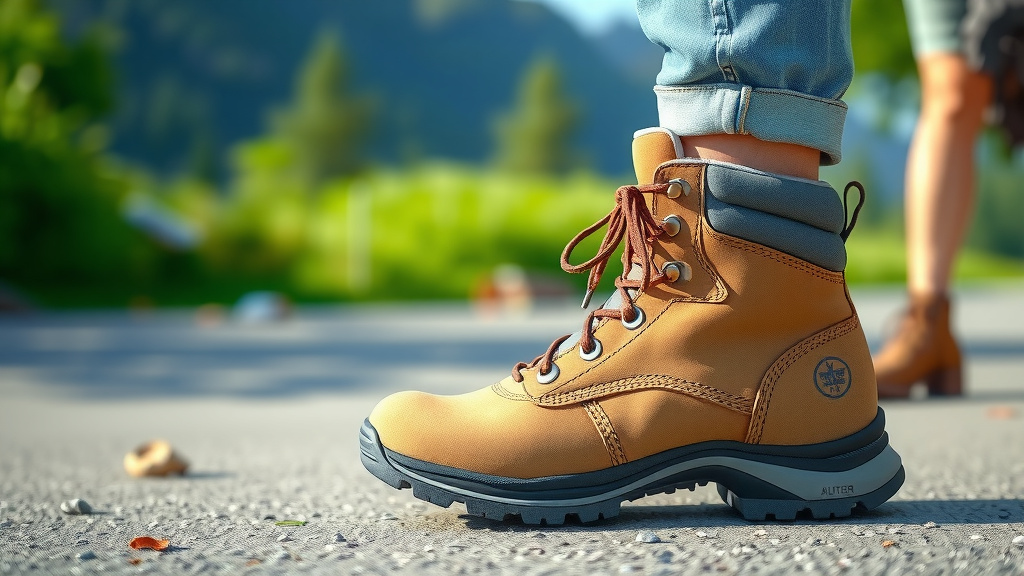
Finding the right size for your hiking boots is more art than science. It’s about comfort and performance on the trail. Remember to prioritize that snug, secure feel without any pinching. Your toes need room to breathe and move, especially on descents. Always test your boots with your intended hiking socks, preferably later in the day. Taking these simple steps ensures you’re choosing boots that will support you mile after mile. Get out there and find that perfect fit for your next adventure!
Frequently Asked Questions
Should my hiking boots feel tight or snug?
Your hiking boots should feel snug but not painfully tight. This means they should hug your foot comfortably, especially around the heel and midfoot, preventing excessive movement. You shouldn’t feel any pinching or pressure points.
How much toe room is enough in hiking boots?
You should have enough space to wiggle your toes freely. A good rule of thumb is about a thumb’s width of space between your longest toe and the front of the boot. This prevents your toes from jamming into the boot when hiking downhill.
Is heel slippage in new hiking boots normal?
A little bit of heel lift can be normal in new or stiffer boots as they break in. However, significant heel slippage is a red flag. Your heel should feel secure and shouldn’t lift much when you walk, as this can lead to painful blisters.
Why is it important to try on hiking boots in the afternoon?
Your feet tend to swell throughout the day, especially after standing or walking. Trying on boots in the afternoon or evening means your feet are at their largest, giving you a more accurate sense of fit for when you’re actually out on a hike.
Can I just buy a half size up if I’m unsure about the fit?
While it’s often better to go up a half size than down, simply buying a larger size isn’t always the answer. If a boot is fundamentally too wide or the toe box is wrong for your foot shape, a larger size might not fix the issue and could cause other problems like foot sliding. Always prioritize the overall feel and how your foot moves within the boot.

![10 Best Adhesive For Boot Sole Repair [2026]](https://best7recommandation.com/wp-content/uploads/2026/08/10-best-adhesive-for-boot-sole-repair-2026-featured-768x432.jpg)