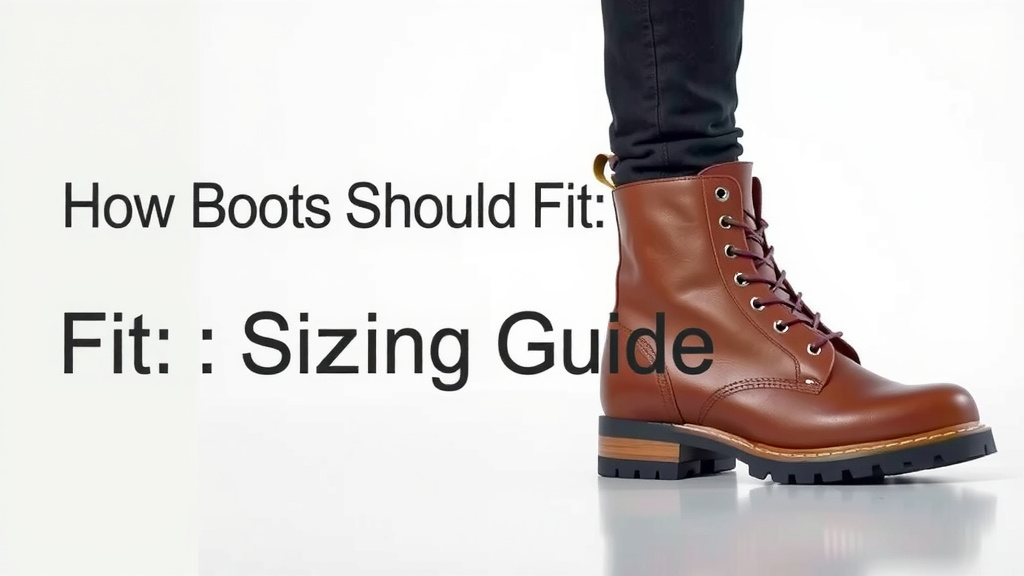
How Boots Should Fit: A Sizing Guide
Your boots should fit snugly but not too tight. There should be about a thumb’s width of space between your longest toe and the end of the boot. Your heel should feel secure, with only a little lift when you walk. Proper boot fit prevents blisters and discomfort.
Finding the right size is more than just looking at the label. Different brands and styles can fit very differently. You’ll want to consider the width of your foot and the type of socks you plan to wear. A boot that’s too big can cause your foot to slide, leading to injuries.
- Your boot should feel snug.
- Leave a thumb’s width of toe room.
- Your heel should have minimal lift.
- Consider sock thickness and boot width.
- Try boots on later in the day.
We found that paying attention to these details makes all the difference. Let’s walk through exactly how to ensure your boots fit like a dream.
“`htmlGetting the Right Boot Fit: Your Guide
Finding boots that fit well is key to comfort and preventing foot pain. You want them to feel snug but not tight. This means your foot is supported without being squeezed. Proper fit also helps your boots last longer.
Understanding Boot Sizing: It’s Not Just the Number
Boot sizing can be a bit confusing. Different brands often have slightly different sizing charts. What fits perfectly in one brand might be too loose or too tight in another. Don’t rely solely on the number on the box. Your foot shape is also a major factor.
The Thumb Rule: A Quick Check
A good starting point is the classic thumb rule. When you first try on a boot, make sure there’s about a thumb’s width of space between your longest toe and the front of the boot. You can do this by sliding your foot forward until your toes touch the front. Then, check the space behind your heel.
This little bit of extra room is important. It allows for natural foot swelling throughout the day. It also gives your toes room to move slightly. This helps prevent discomfort, especially on longer walks or hikes. Many podiatrists recommend this space for overall foot health (American Podiatric Medical Association).
Heel Fit: The Secure Step
Your heel should feel relatively secure inside the boot. When you walk, you want only a slight amount of heel lift. If your heel slips up and down a lot, the boot is likely too big. Excessive heel lift can cause blisters and instability. It can also lead to arch strain over time. Many experts suggest that more than a half-inch of heel lift is problematic.
Width Matters: Beyond Length
Don’t forget about the width of the boot. Many boots come in different widths, like narrow, medium, or wide. Your foot might be the “right” length but too wide or too narrow for the standard boot. If the boot feels like it’s pinching your foot on the sides, it’s too narrow. If your foot slides side-to-side inside the boot, it might be too wide.
Checking for Width Issues
You can often tell if a boot is too narrow if you feel pressure on the outside edge of your foot. This can lead to pain along the bone. If the boot feels loose and your foot can roll easily, it’s likely too wide. Some boots offer removable insoles. This can provide a bit of extra space if needed.
When to Try On Boots: Timing is Everything
Did you know that your feet can change size throughout the day? They tend to swell up a bit as you are active. Because of this, we strongly recommend trying on boots later in the afternoon or evening. This is when your feet are at their largest. Trying them on during this time will give you a more accurate fit.
The Sock Factor: What to Wear
Always try on boots with the type of socks you plan to wear. Thicker socks, like those for hiking, will take up more space inside the boot. If you usually wear thick socks, wear them when you are trying on boots. Wearing thin dress socks with hiking boots won’t give you a true sense of the fit. This can lead to buying boots that are too small when you wear your thicker socks.
Testing the Fit: Your Personal Boot Inspection
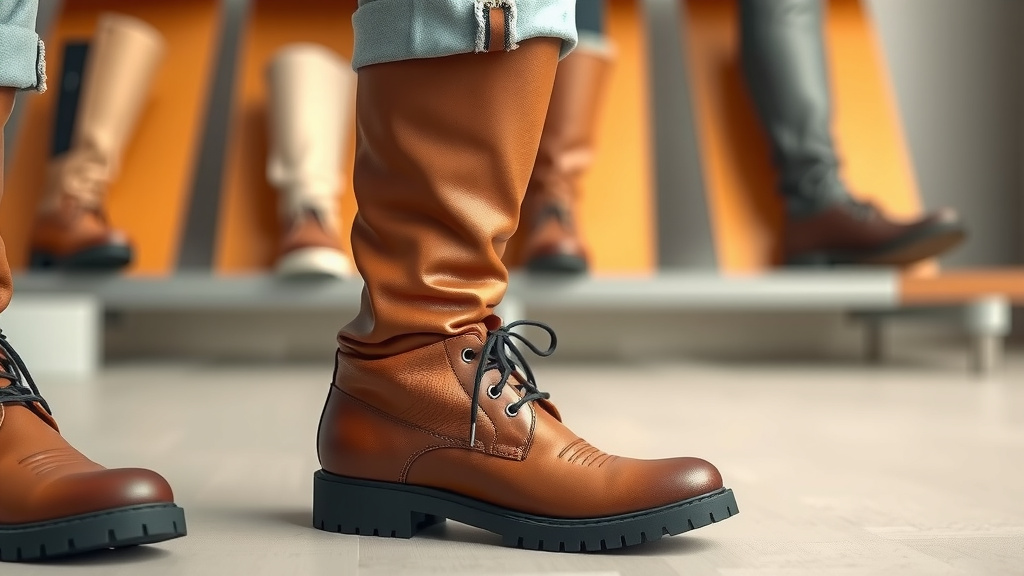
Once you have the boots on, take some time to test them. Don’t just stand there. Walk around the store on a hard surface. Go up and down a few stairs if possible. Pay attention to how your feet feel in every step. Listen to your body; it usually tells you what’s right.
What to Look and Feel For
As you walk, your toes should not hit the front of the boot. Your heel should stay mostly in place with minimal lifting. The boot should feel snug around your foot, but there should be no pinching or painful pressure points. The arch of the boot should feel like it supports your arch naturally.
Common Fit Problems and Solutions
Here’s a quick look at common issues:
- Toes hitting the front: The boot is too small or too long. Try a size up or a different model.
- Heel slipping excessively: The boot is too big or too wide in the heel. Look for boots with a narrower heel or consider thicker socks.
- Pinching on the sides: The boot is too narrow. Look for wide sizes or a different boot style.
- Arch discomfort: The boot’s arch support doesn’t match yours. You might need insoles or a different boot shape.
The Comfort Checklist Before You Buy
Before you make your final decision, run through this quick checklist:
- Do my toes have about a thumb’s width of space?
- Does my heel lift more than a little when I walk?
- Is the boot snug but not tight on the sides?
- Am I wearing the socks I plan to wear with these boots?
- Do I feel any pinching or hot spots?
- Can I comfortably wiggle my toes?
Conclusion
Finding boots that fit correctly is essential for comfort and foot health. You’ve learned that a snug feel with about a thumb’s width of toe room is key. Ensuring your heel has minimal lift and considering boot width are also vital steps. Remember to try boots on later in the day with your intended socks.
Take these tips with you on your next boot shopping trip. Your feet will thank you for the effort. Go find that perfect pair that feels custom-made just for you!
Frequently Asked Questions
Can I break in boots that are slightly too small?
It’s generally not recommended to try and break in boots that are significantly too small. While some boots can stretch slightly with wear, trying to force your foot into a boot that’s too short or narrow can cause lasting pain and foot problems. It’s always best to find a boot that fits well from the start.
How much should my foot slide inside the boot?
Your foot should feel secure within the boot, with minimal sliding. You want the boot to move with your foot, not against it. If you notice your foot shifting excessively from side to side or front to back, the boot is likely too wide or too large overall, which can lead to discomfort and blisters.
What if one foot is larger than the other?
It’s common for people to have one foot that is slightly larger than the other. In this case, you should size your boots to fit the larger foot comfortably. You can often make adjustments for the smaller foot using thicker socks or an insole. Never choose a size that is too small for your larger foot.
Should I buy boots that feel a little loose?
No, you should not buy boots that feel noticeably loose. While you need some toe room, a loose boot means your foot isn’t supported properly. This can cause your foot to slide around, leading to friction, blisters, and potential injuries. Aim for snugness without tightness.
How do I know if the boot’s arch support is right for me?
When you try on boots, the arch of the boot should align with the natural arch of your foot. You shouldn’t feel any pressure points or a gap under your arch. If you have specific arch support needs, consider boots with good built-in support or plan to use custom or over-the-counter insoles.