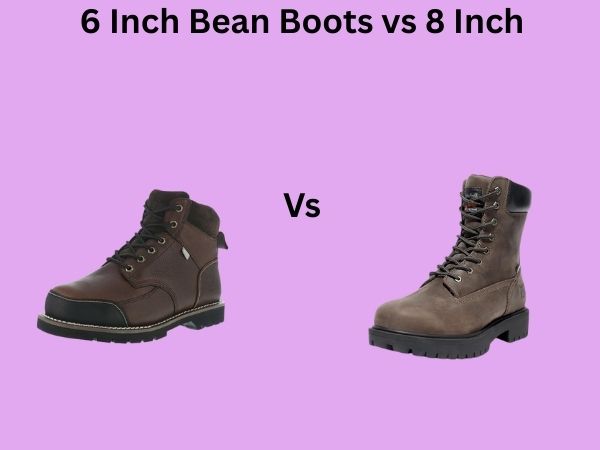
6 Inch Bean Boots vs 8 Inch: Which Height Is Better for Your Lifestyle?
When you’re standing in front of your closet trying to decide which bean boots to invest in, you’re facing a decision that might seem simple on the surface but actually carries more weight than you’d think. Should you go with the classic 6-inch height, or should you stretch your budget and commitment for the 8-inch option? I’ve been there myself, staring at both options online, wondering which one would truly make a difference in my daily life. Let me walk you through everything you need to know to make the right choice.
Understanding Bean Boots: A Quick Background
Bean boots have been around since 1912, and honestly, they’ve remained largely unchanged because they work. They’re not flashy, they’re not trendy in the Instagram sense, but they’re reliable, durable, and genuinely useful. The brand—L.L.Bean—built its reputation on these iconic boots, and for good reason. But here’s the thing: just because something is iconic doesn’t mean one size fits everyone.
The choice between 6 inches and 8 inches might seem like splitting hairs, but that extra two inches can fundamentally change how the boot functions in your life. Think of it like the difference between a sedan and an SUV—both get you from point A to point B, but the experience is different.
The 6-Inch Bean Boot: Classic and Versatile
What Makes the 6-Inch the Standard Choice
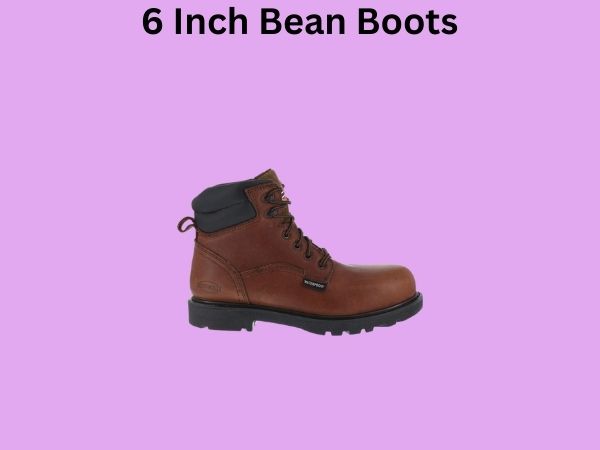
The 6-inch bean boot is what most people picture when they think of this iconic footwear. It’s the height that strikes a balance—not too tall, not too short. It sits right at that sweet spot where it covers your ankle completely while still allowing for easier movement and a more streamlined appearance.
These boots are perfect for casual outings, weekend adventures, and situations where you want the protection of a boot without committing to the extra bulk. When I wear my 6-inch boots, I feel like I’m wearing something that can handle moderate challenges without making me feel like I’m geared up for a expedition.
Styling Versatility of the 6-Inch Option
One of the biggest advantages of the 6-inch height is how easily they integrate into your existing wardrobe. They work well with jeans rolled at the ankle, cuffed chinos, or even shorts if you’re going for that New England aesthetic. The visual proportion feels right with most outfits because they don’t elongate your leg line excessively.
- Pairs easily with casual denim looks
- Works with shorts during transitional seasons
- Doesn’t compete visually with other statement pieces
- Feels less heavy when wearing casual clothing
Comfort and Wearability for Extended Periods
Let’s talk about comfort, because that’s what really matters when you’re actually wearing these things. The 6-inch height means less weight on your feet and ankles, which matters if you’re someone who’s on their feet all day. The boot sits lower, which some people find less restrictive around the calf area.
I’ve walked through entire days in my 6-inch boots without feeling like I was lugging around extra weight. If comfort during long wear is your priority, the 6-inch option has a genuine advantage here.
Water and Weather Protection at 6 Inches
Here’s where things get interesting. The 6-inch height provides solid protection for most everyday situations. A typical puddle or light snow won’t reach over the top of your boot. However, if you’re wading through deep snow or crossing through muddy terrain regularly, you’re closer to the edge of that protection zone.
The boot covers your ankle joint completely, which is the most critical protection point. For casual outdoor activities and standard winter weather in moderate climates, six inches is genuinely sufficient.
The 8-Inch Bean Boot: Maximum Coverage and Serious Performance
Why Go Tall: The Advantages of Extra Height
The 8-inch bean boot is essentially the same boot with four more inches of protection. Notice I said four—not two. This extra coverage significantly changes the game, especially if you’re venturing into serious weather or terrain. The taller height means you’re protected higher up your leg, which makes a real difference when conditions get rough.
These boots feel like they’re built for adventure. They have a sense of purpose that makes you feel ready for whatever you might encounter. When I put on 8-inch boots, my mindset shifts slightly—I feel prepared for more challenging situations.
Superior Protection in Challenging Conditions
This is where the 8-inch truly shines. Deep snow, mud, or water hazards that would seep into or over the 6-inch boot stay completely contained by the 8-inch option. If you live in a climate with serious winters, or if you spend time outdoors in genuinely rough conditions, this extra protection isn’t a luxury—it’s practical sense.
The extra inches also provide better support for your lower leg. If you’re hiking on uneven terrain or need that additional stability, the 8-inch option wraps around more of your leg and provides enhanced support.
- Protects against deeper water and mud
- Better support for uneven terrain
- More insulation coverage in extreme cold
- Reduces chance of water splashing over the top
- Provides additional ankle stability
Storage and Functionality Advantages
Here’s something that doesn’t get discussed enough: the 8-inch bean boot offers more boot surface, which means more opportunity for functional design elements. You get additional calf room, which matters if you’re layering with thick socks or if you have larger calves. The extra height also means there’s more boot to grip if you’re climbing or navigating difficult terrain.
Visual Impact and Styling Considerations
The 8-inch boot makes a bolder statement. There’s no pretending you’re wearing something casual—these are clearly serious boots. They work beautifully with rugged outdoor wear, heavy winter coats, and adventure-focused outfits. However, they require more intentional styling with everyday casual wear.
When you’re wearing 8-inch boots with jeans, for example, the proportion is different. The boot height demands that jeans sit at a certain length. You typically can’t use the rolled-ankle look that works so well with 6-inch boots. Instead, you’re looking at a full-length jean or deliberate cuffing.
Direct Comparison: 6-Inch vs 8-Inch Performance Metrics
Weight and Overall Feel
The 8-inch boot is noticeably heavier. That’s just the reality of more material. For someone spending hours on their feet, this matters. For someone doing occasional outdoor activities, you might not notice. It’s like the difference between carrying a light backpack and a full pack—the difference is apparent, but some people don’t mind it.
Price Difference and Value Consideration
Typically, the 8-inch option costs more than the 6-inch. The difference isn’t enormous, but it’s enough to factor into your decision. Are you getting proportional value for that extra investment? That depends entirely on whether you’ll actually use the extra height. If you’re buying an 8-inch boot but primarily wearing it in situations where a 6-inch would suffice, you’re paying for unused capability.
Break-In Period and Initial Comfort
Both heights require a break-in period—that’s just how these boots are. However, the 8-inch boot has more surface area to break in, which means the initial discomfort might be slightly more pronounced. Once broken in, both perform excellently, but the journey getting there differs slightly.
Durability and Long-Term Value
Here’s what I’ve observed: both heights are incredibly durable. The determining factor in longevity isn’t usually the height—it’s how well you maintain them. That said, the 8-inch option, with its extra material and coverage, might have a slight edge in extreme conditions simply because less of your actual leg is exposed to potential damage.
Who Should Choose the 6-Inch Bean Boot?
The Casual Outdoor Enthusiast
If you’re someone who enjoys hiking, casual camping, or weekend outdoor activities in moderate climates, the 6-inch boot is likely perfect for you. You get genuine protection and capability without overkill.
The Style-Conscious Wearer
If integrating your boots seamlessly into everyday fashion matters to you, the 6-inch height is your friend. It works with virtually any outfit and doesn’t require wardrobe adjustments to look right.
The Budget-Minded Buyer
The 6-inch option costs less and offers exceptional value. If you’re not in a climate that demands maximum protection, there’s no reason to spend extra money on features you won’t use.
Those Seeking Maximum Comfort for Daily Wear
If you want boots that you can wear all day without fatigue, the lighter weight and lower profile of the 6-inch option might be your best bet.
Who Should Choose the 8-Inch Bean Boot?
Serious Winter Climate Dwellers
If you live somewhere with genuine snow, ice, and cold—think northern states or mountainous regions—the 8-inch boot makes real sense. The extra protection isn’t theoretical; it’s practical necessity.
The Frequent Adventurer
If you’re regularly putting your boots through challenging terrain, water crossings, or serious outdoor activities, the 8-inch option’s superior protection and support justify the investment.
Those with Specific Physical Needs
People with ankle instability, larger calves, or lower leg concerns might find the extra support and fit provided by the 8-inch option more beneficial.
The Rugged Aesthetic Lover
If you genuinely love the look and feel of serious outdoor boots and your lifestyle supports wearing them, the 8-inch option fully commits to that aesthetic.
The Real-World Test: How Each Performs in Actual Situations
Scenario One: Urban Winter Walking
You’re walking through a city in winter, dealing with snow and salt. Both boots perform excellently. The 6-inch keeps your feet warm and dry through standard winter conditions. The 8-inch does the same but provides marginally more splash protection. Winner: Tie, with slight edge to 6-inch for comfort.
Scenario Two: Serious Hiking Adventure
You’re hiking through muddy trails with stream crossings. The 8-inch boot’s superior support and water protection become genuinely valuable. The 6-inch is still capable, but you’re more vulnerable to water seeping over the top. Winner: 8-inch, clearly.
Scenario Three: Casual Weekend Outdoor Activity
You’re doing yard work, a short nature walk, or hanging out at an outdoor gathering. Both boots are overkill, honestly, but if you’re wearing them, the 6-inch feels more proportionate to the activity. Winner: 6-inch.
Making Your Final Decision: Questions to Ask Yourself
Before you commit to either option, consider these practical questions:
- What’s your climate like for most of the year?
- How often do you engage in serious outdoor activities?
- Do you prioritize comfort for all-day wear?
- How important is styling flexibility to you?
- Are you willing to invest more for capabilities you might not use regularly?
- Do you have any physical considerations that might benefit from extra support?
Honest answers to these questions will clarify which option aligns with your actual life, not the life you imagine you might live.
Conclusion
The choice between 6-inch and 8-inch bean boots isn’t about one being objectively better—it’s about which one serves your specific situation better. The 6-inch bean boot is the perfect choice for most people: versatile, comfortable, affordable, and genuinely capable of handling everyday adventures and moderate winter weather. It’s the choice that works without demanding compromises elsewhere in your wardrobe or lifestyle.
The 8-inch bean boot is for those whose life actually demands the extra protection and support. If you’re regularly in serious weather conditions, challenging terrain, or if your lifestyle truly supports wearing heavier, more rugged footwear, then the investment makes sense.
I recommend being honest with yourself about your actual needs versus your aspirational needs. Don’t buy the 8-inch boots because you imagine yourself trekking through wilderness if you’re actually spending your weekends in coffee shops. Conversely, don’t settle for 6-inch boots if you’re genuinely living a rugged outdoor lifestyle that would benefit from the extra protection.
Both options are exceptional boots that will serve you well for years. The question isn’t which is better—it’s which is better for you. Once you answer that honestly, the decision makes itself.
Frequently Asked Questions
Can you transition between 6-inch and 8-inch bean boots depending on the season?
Absolutely. Many people who love bean boots own both heights and rotate them based on season and anticipated activity. The 6-inch works perfectly for spring through fall and lighter winter activities, while the 8-inch comes out during serious winter months or planned outdoor adventures. This approach lets you get the benefits of both options without forcing a one-size-fits-all decision. It’s a bit of an investment, but spread across several years of use, it makes financial sense for serious outdoor enthusiasts.
Do 8-inch bean boots run warmer than 6-inch boots?
The extra material in the 8-inch boot provides marginally more insulation simply due to additional coverage area. However, both heights use the same insulation materials and construction methods for the parts they share. The difference in warmth is minimal—maybe a degree or two in equivalent temperature rating. If warmth is your primary concern, focus on lining thickness and insulation rating rather than height alone.
Are 8-inch bean boots harder to put on and take off?
They do require slightly more effort since you’re dealing with more boot to maneuver over your foot and calf. If you have mobility challenges or simply want maximum convenience, the 6-inch option is easier. However, the difference is genuinely minor—we’re talking about a few extra seconds. It’s not a significant practical concern for most people.
Can you wear the same socks with both 6-inch and 8-inch bean boots?
Yes, definitely. Bean boots work well with standard winter socks in both heights. The main difference is that the 8-inch gives you the option to wear thicker or longer socks without any tightness around the calf area. If you tend to run cold or like really thick socks, the 8-inch provides more comfortable accommodation, though the 6-inch works fine with standard thickness.
How long does the break-in period last for each height?
Expect approximately 3-5 wearings before the boots feel genuinely comfortable, regardless of height. The 8-inch might take slightly longer since there’s more surface area to soften. After about 10-15 wearings, both options should feel like natural extensions of your feet. Some people report the break-in