Ski Boot Size Guide: Find Your Perfect Fit
Ski boots that are too big will make your feet slide around, leading to poor control and potential blisters. Your ski boots should feel snug, like a firm handshake for your feet, not like a loose slipper. The right fit is essential for both comfort and performance on the slopes. They should feel a little tight, but not painfully so, when you first try them on while standing.
Getting the correct boot size prevents your heel from lifting, which is a major cause of discomfort and ski control issues. We found that a boot that’s too large can actually lead to more pressure points as your foot moves inside. Proper sizing ensures your entire foot is supported, allowing for precise movements and a better skiing experience.
- Ski boots should feel snug, not loose.
- A tight, but not painful, fit is key when standing.
- Prevent heel lift for better control and comfort.
- The right size enhances your overall skiing performance.
Let’s dive into the details to help you find that perfect ski boot fit, so you can focus on enjoying your time on the mountain.
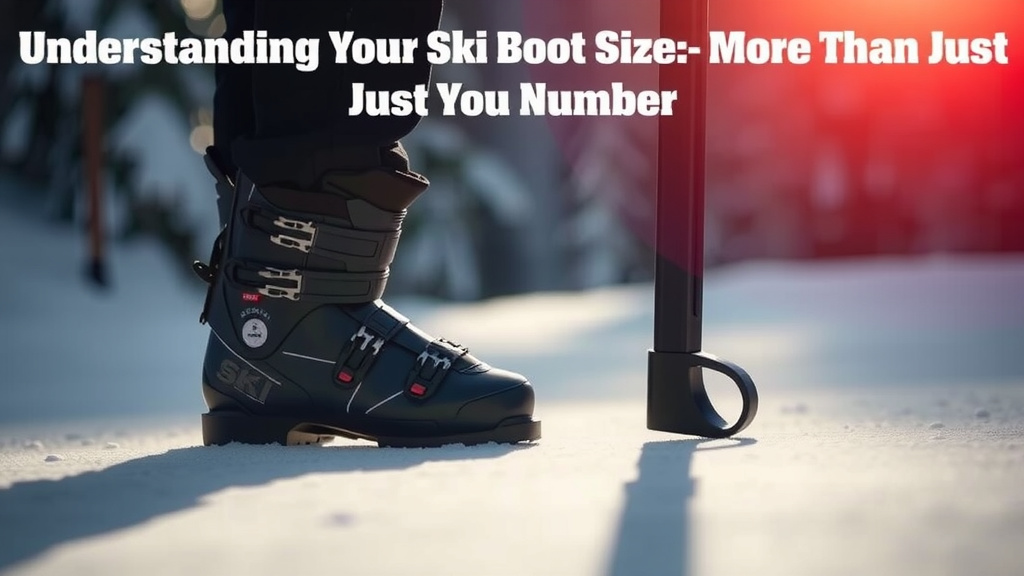
Understanding Your Ski Boot Size: More Than Just a Number
Finding the correct ski boot size is absolutely essential for your comfort and control on the slopes. It’s not quite like buying a regular shoe. Ski boots have a much more specific purpose. Your ski boots need to be snug to allow for precise movements. If they’re too big, your foot will slide inside. This makes it hard to steer your skis. It can also lead to painful blisters.
So, how do you know if a ski boot is the right size? We found that a ski boot should feel snug all around your foot when you first put it on. It should feel like a firm hug for your foot. It shouldn’t feel painfully tight, but there should be no extra space. Your toes might just lightly brush the front when you’re standing up straight. But, when you bend your knees into a skiing stance, your toes should pull back slightly.
How Ski Boot Sizing Differs from Regular Shoes
You might be wondering why ski boots feel different. Your regular shoes need a bit of extra room. You don’t want them rubbing all day. Ski boots are performance gear. They transmit every tiny movement from your foot to your ski. This requires a much more precise fit. Many people make the mistake of ordering ski boots the same size as their street shoes. This is a common pitfall. Ski boot sizing is different and requires a different approach.
The ‘Mondopoint’ System Explained
Ski boot manufacturers use a system called Mondopoint. This system is based on the length of your foot in centimeters. It’s a more accurate measurement than US or European shoe sizes. Most ski boot boxes will have the Mondopoint size listed. You can measure your foot at home. Stand on a piece of paper with your heel against a wall. Mark the longest part of your foot. Measure from the wall to the mark in centimeters. This gives you your Mondopoint size.
Why a Snug Fit is Crucial for Performance
Think of your ski boot as an extension of your body. When you want to turn left, your boot needs to tell your ski exactly what to do. If there’s too much room, that signal gets lost. Your foot sloshing around inside means you lose that direct connection. This makes it harder to make clean, controlled turns. We found that skiers with properly fitted boots report much better edge control. They feel more confident making quick adjustments.
Key Indicators of a Proper Ski Boot Fit
Let’s talk about what a good fit actually feels like. When you first slide your foot into the boot, it should be snug. It shouldn’t be a struggle to get your foot in. But, once it’s in, you should feel your foot held securely. Your heel should feel locked in place. There shouldn’t be any significant lifting as you flex your ankle.
Checking for the Right Length: The Toe Test
This is a classic test for a reason. With the boot unbuckled and unzipped, slide your foot forward. Your toes should gently touch the front of the boot. They shouldn’t be jammed or painfully pressed. Now, stand up. Keep your heel planted. Flex your knees and lean forward slightly. Your toes should pull back from the front of the boot. They should have a little bit of wiggle room. If your toes are still crammed when you flex, the boot is too short. If your toes don’t touch the front at all when standing, it might be too long.
Assessing Boot Volume and Width
Length is only part of the story. Ski boots also come in different volumes and widths. Some feet are wider or narrower than others. A boot that’s too wide will let your foot move side-to-side. This is just as bad as a boot that’s too long. Conversely, a boot that’s too narrow will cause pain and numbness. Many boot brands offer different widths for the same length. It’s important to find a boot that matches your foot’s overall shape.
The Importance of Heel Hold
Heel lift is the enemy of a good ski boot fit. When your heel lifts inside the boot, you lose control. It also leads to chafing and blisters. Many experts say that good heel hold is one of the most critical aspects of a proper fit. When you flex your ankle, your heel should stay firmly in place. Try to lift your heel out of the boot while it’s buckled. It should feel very difficult, if not impossible.
Buckling Up for the Perfect Fit
How you buckle your boots matters. Start from the toe buckles and work your way up. You want to secure your foot firmly without cutting off circulation. The top buckles, especially the cuff buckle, are key for ankle support. Don’t overtighten them. You should feel secure, but not like your leg is being crushed. Experiment with the buckle tension. Find what feels snug and supportive for you.
Common Mistakes to Avoid When Sizing Ski Boots
We see people making the same sizing mistakes over and over. It’s easy to fall into these traps. Knowing them beforehand can save you a lot of hassle. You want to enjoy your ski trip, not nurse sore feet.
Mistake 1: Relying Solely on Your Street Shoe Size
As we mentioned, this is a big one. Your street shoes are designed for walking. Ski boots are designed for skiing. They use different sizing metrics and have a much more performance-oriented fit. Always measure your foot in centimeters for a more accurate starting point.
Mistake 2: Ignoring Boot Volume and Width
Just because a boot is the right length doesn’t mean it’s the right fit. Your foot has a specific volume and width. If the boot doesn’t match, you’ll have problems. Many ski shops offer foot scanners. These can help determine your foot’s volume and width accurately.
Mistake 3: Not Trying Them On Properly
This sounds obvious, but many people rush this process. You need to spend time in the boots. Wear your ski socks. Buckle them up correctly. Stand in them for at least 10-15 minutes. Walk around the shop. Try flexing your knees. We found that this “sit test” is incredibly revealing. It helps you feel any pressure points or looseness.
Mistake 4: Buying Boots That Are Too Big “Just in Case”
Some people think buying a slightly larger boot will be more comfortable. This is a myth. A boot that’s too big leads to poor control and increased pressure points. Your foot will move, causing friction and discomfort. It’s better to have a boot that’s snug and breaks in over time. Many experts agree that a slightly tight fit initially is preferable to a loose one.
Mistake 5: Forgetting About Ski Socks
Your ski socks are not just any socks. They are designed to be thin but warm. They help manage moisture. Wearing thick, everyday socks with ski boots will throw off the fit completely. Make sure you try on ski boots with the actual socks you plan to ski in. This makes a huge difference. We found that specialized ski socks enhance the boot’s performance.
Mistake 6: Not Seeking Professional Help
Finding the right ski boot is an art. Ski boot fitters are trained professionals. They understand foot anatomy and boot technology. They can measure your feet accurately and recommend boots based on your foot shape and skiing ability. Many sources recommend visiting a specialized ski shop for boot fitting. It’s an investment that pays off on the slopes.
Quick Checklist for a Perfect Ski Boot Fit
Here’s a simple rundown to help you remember the key points:
- Measure your foot in centimeters (Mondopoint).
- Ensure toes lightly touch the front when standing straight.
- Check that toes pull back when knees are flexed.
- Your heel should not lift when you flex your ankle.
- The boot should feel snug but not painfully tight.
- Try them on with your actual ski socks and buckle properly.
Conclusion
Finding the right ski boot size is a game-changer for your skiing. Remember, a snug, supportive fit is your best friend on the mountain. It translates to better control, more comfort, and ultimately, more fun. Don’t settle for boots that feel too loose or painfully tight. Take the time to measure correctly, test the fit thoroughly, and consider getting expert advice. Your feet will thank you. Visit a reputable ski shop and get properly fitted for your next pair of boots.
Frequently Asked Questions
How much space should I have in my ski boots?
You want your toes to lightly brush the front of the boot when standing straight. When you flex your knees into a skiing stance, your toes should pull back slightly, creating a small gap. There should be no significant space for your foot to slide around.
Can I use my regular shoe size for ski boots?
No, you generally shouldn’t rely on your street shoe size. Ski boots use a different sizing system (Mondopoint) and are designed for a much tighter, performance-oriented fit. Measuring your foot in centimeters is a more accurate starting point.
What does ‘heel hold’ mean in ski boots?
Heel hold refers to how securely your heel is kept in place inside the boot. Good heel hold prevents your heel from lifting when you flex your ankle, which is essential for control and preventing blisters.
How often should I check my ski boot size?
You should check your ski boot size whenever you buy new boots. Your foot size can change slightly over time. It’s also important to re-evaluate if you experience discomfort or loss of control, as your current boots may no longer fit correctly.
Is it okay for my ski boots to hurt a little when I first try them on?
Ski boots should feel snug and supportive, but not painfully tight. A slight pressure or feeling of tightness is normal, especially around the ankle and forefoot, as the boot needs to mold to your foot. However, any sharp pain or numbness means the boot is likely too small or the wrong shape for your foot.