How to Fit Hiking Boots: Your Perfect Trail Companion
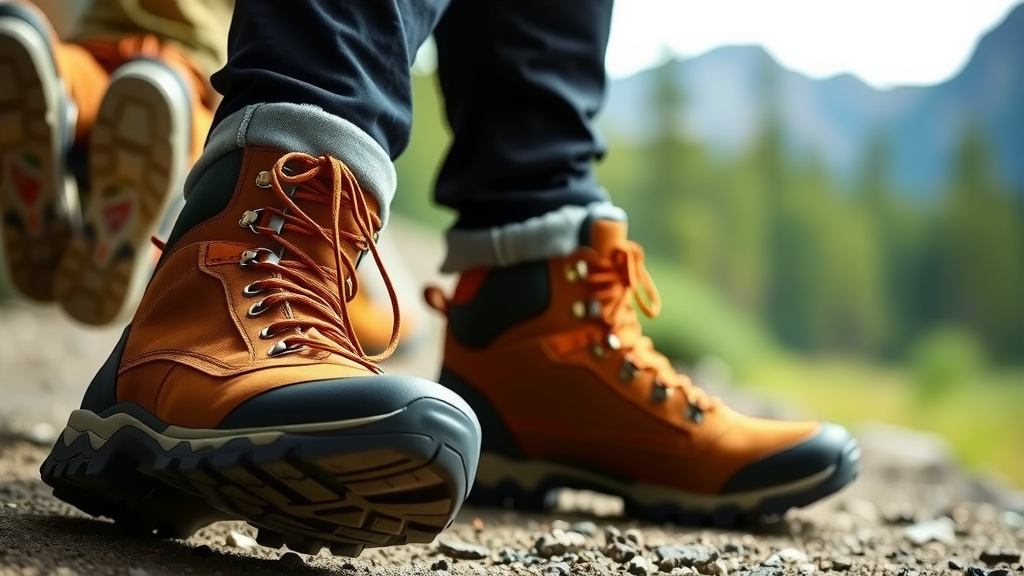
Getting your hiking boots to fit right is all about finding a snug feel without any pinch. Your boots should feel secure, with minimal heel lift, and allow your toes to wiggle freely. A good fit means your feet are supported and comfortable for miles of trail ahead.
We found that many hikers overlook the importance of a proper fit. This can lead to blisters, discomfort, and even injury on your adventures. Proper fitting ensures your boots work with you, not against you, on uneven terrain and long treks. It’s a key factor for happy hiking.
- Your boots should feel snug but not tight.
- There should be little to no heel lift when you walk.
- Your toes need room to wiggle, especially when going downhill.
- Try boots on later in the day when your feet are slightly swollen.
Ready to make sure your next pair feels perfect? Let’s walk through exactly how to get the best fit for your hiking boots.
Getting Your Hiking Boots to Fit Just Right
Finding the perfect fit for your hiking boots is more important than you might think. It’s the difference between a joyful hike and a miserable one. We’ve found that even a slight fit issue can lead to pain, blisters, and fatigue on the trail. Your boots should feel like a natural extension of your feet, providing support and comfort mile after mile.
When is the Best Time to Try On Boots?
When you’re shopping for new hiking boots, timing is everything. You’ll want to try them on later in the day. Your feet naturally swell throughout the day. Trying on boots when your feet are a bit larger will give you a more accurate sense of fit. This simple step can prevent uncomfortable pressure points on longer hikes.
What to Look for in a Proper Fit
So, what exactly should you be feeling when a hiking boot fits well? We’ve broken it down into key areas.
The Feel of the Boot
First off, your hiking boots should feel snug, but not tight. Imagine giving your feet a gentle hug. There should be no pinching or painful pressure points anywhere. If you feel any discomfort in the store, it will only get worse once you’re miles into a hike.
Heel Lift: The Silent Blister Culprit
A common mistake is ignoring heel lift. When you walk, your heel should stay mostly put. A little bit of movement is okay, but too much means your heel is sliding up and down. This friction is a major cause of blisters. We found that some minor lift can sometimes be resolved with different socks or lacing techniques, but significant lift is a deal-breaker.
Toe Room: Essential for Descending and Comfort
Don’t forget your toes! You should have enough room to wiggle your toes freely. This is especially important when you’re walking downhill. Without adequate toe space, your toes can bang against the front of the boot. This can lead to bruised toenails and discomfort. Many experts suggest a thumb’s width of space between your longest toe and the end of the boot.
Trying On Your Hiking Boots: A Step-by-Step Guide
Now that you know what to look for, let’s get you set up to try them on correctly.
Bring Your Hiking Socks
This is non-negotiable! Always wear the same type of socks you plan to hike in. Hiking socks are thicker than everyday socks. They can significantly impact how a boot fits. Bringing your own ensures you get the most accurate fit possible. Thick wool or synthetic socks are common choices for hikers.
Walk Around the Store
Don’t just stand there! Lace up the boots snugly and walk around the store. Go up and down any ramps or stairs if available. Pay attention to how your feet feel with each step. Notice any rubbing or pressure. You want a secure feeling all around your foot.
Test the Fit on an Incline
Many outdoor gear stores have inclines or ramps. Use them! Stand on the incline with your heel back and toes slightly elevated. Does your heel lift? Do your toes jam into the front? This test is a great way to simulate downhill hiking. It quickly reveals potential problems.
Consider Insoles and Lacing
Sometimes, after-market insoles can improve comfort and fit. If a boot is almost perfect but a little loose, a different insole might help. Similarly, your lacing technique can make a difference. Experiment with different lacing patterns. You can find tutorials online for techniques that help secure your heel or relieve pressure points. We found that a good lacing job can hug your foot perfectly.
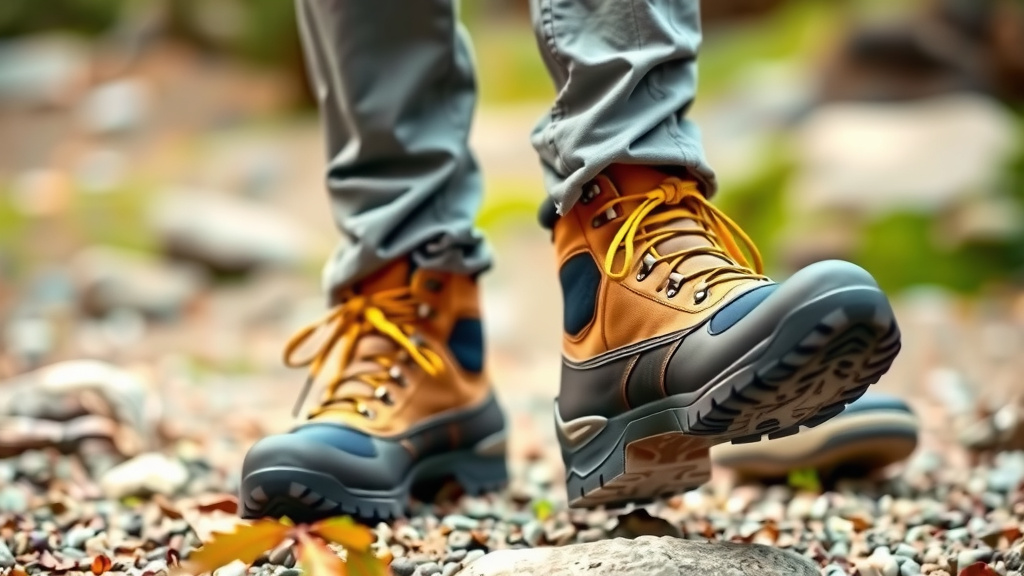
A Quick Checklist for Boot Fit Success
Here’s a quick rundown to keep in mind when you’re trying on boots:
- Socks: Always wear your hiking socks.
- Snugness: Boots should feel snug, not tight.
- Heel Lift: Minimal to no heel slippage.
- Toe Room: Enough space to wiggle your toes freely.
- No Pinching: No painful pressure points.
- Comfort: They feel good while walking around.
Common Fit Issues and How to Address Them
Even with the best intentions, you might run into fit problems. Here are a few we often see.
Too Tight in the Forefoot
If the boot feels too tight across the widest part of your foot, it’s often a sign it’s too narrow. Many boots come in different widths. Look for a wide option if available. A boot that’s too tight here will cause discomfort and could lead to nerve issues.
Heel Slippage That Won’t Quit
If you’ve tried different socks and lacing and your heel still lifts significantly, the boot shape might just not match your foot. Some boot designs are known for better heel hold. Research brands that are known for providing a secure heel pocket.
Toe Jam on the Downhill
This is often a sign that the boot is too long or that the fit is too loose overall. While you want toe room, you don’t want your foot sliding forward that much. A boot that causes toe jam on descents is a recipe for bruised nails. Ensure the volume of the boot matches your foot’s volume.
Conclusion
Finding the right fit for your hiking boots is your first and most important step for comfortable trails. Remember to try boots on later in the day with your hiking socks. Pay close attention to how your heel feels and if your toes have room to move. A snug, supportive fit with no pinching or excessive heel lift is what you’re aiming for. Your feet will thank you on your next adventure.
Don’t settle for boots that don’t feel right. Take the time to walk around, use inclines, and test them out. If you’re unsure, ask store staff for advice. Your perfect pair is out there, waiting for you to find them.
Frequently Asked Questions
How much space should I have between my toes and the end of the boot?
You should have about a thumb’s width of space between your longest toe and the front of the boot. This ensures your toes don’t jam into the boot when hiking downhill. You should still be able to wiggle your toes freely.
Is a little bit of heel lift in hiking boots normal?
A very small amount of heel lift might be acceptable and can sometimes be fixed with sock thickness or lacing. However, significant heel lift is a problem. It causes friction, leading to blisters. We found that most major heel lift means the boot isn’t the right shape for your foot.
Can I break in hiking boots that are slightly too tight?
It’s generally not recommended to rely on breaking in boots that are significantly too tight, especially in the forefoot. While some boots might soften a bit, persistent tightness can cause long-term foot issues. It’s better to find boots that fit well from the start.
What if one foot is slightly larger than the other?
This is very common! You should fit your boots to your larger foot. You can then use thicker socks or an insole on the smaller foot to help take up the extra space. This ensures you have enough room in the areas that need it most.
Should I buy hiking boots online if I know my size?
While it’s convenient, we advise against buying hiking boots online unless you’ve tried that specific model and size before. Foot shapes and boot designs vary greatly between brands. The unique feel of hiking boots matters, and online purchases can lead to a disappointing fit.
![10 Best Adv Riding Boots [2026]](https://best7recommandation.com/wp-content/uploads/2026/08/10-best-adv-riding-boots-2026-featured-768x432.jpg)