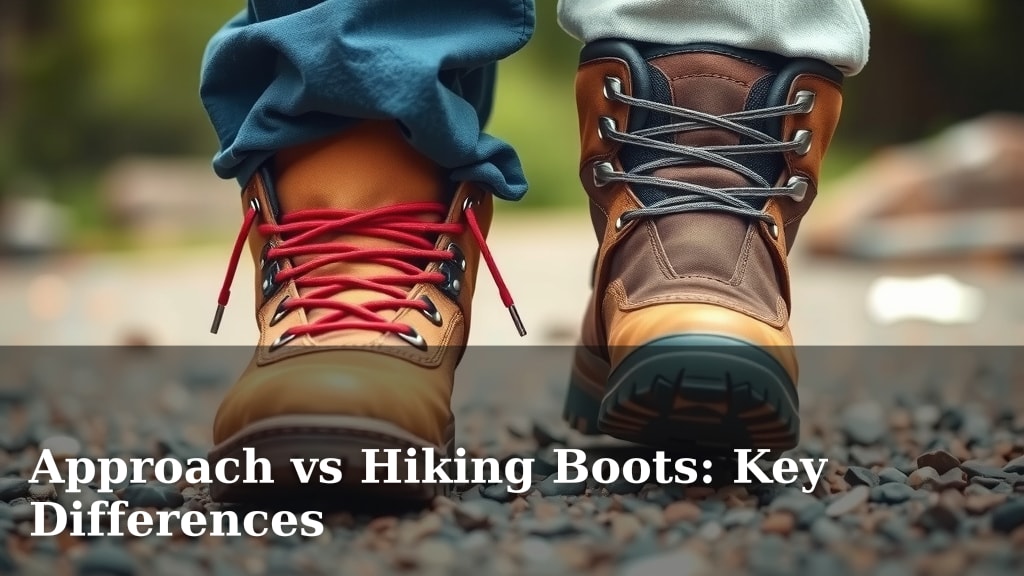
Approach vs Hiking Boots: Key Differences
When choosing footwear for the trail, understanding the difference between approach shoes and hiking boots is key. Approach shoes offer flexibility and sensitivity for scrambling and climbing, while hiking boots provide superior ankle support and protection for rougher terrain.
While both are designed for outdoor adventures, their construction caters to different needs. Approach shoes often feature a stickier rubber sole for grip on rock. Hiking boots, on the other hand, are typically bulkier and designed for long-distance comfort and stability.
- Approach shoes: Great for scrambling, climbing approaches, and light trails.
- Hiking boots: Best for rugged terrain, heavy loads, and maximum ankle support.
- Sole: Approach shoes have sticky rubber; hiking boots have durable, lugged soles.
- Support: Hiking boots offer more ankle and foot support than approach shoes.
Let’s break down exactly what makes each type of shoe unique so you can pick the perfect pair for your next adventure.
You’re ready to hit the trail, but your feet are giving you a choice: approach shoes or hiking boots? It’s a common dilemma. Both are built for the outdoors, but they’re designed with different adventures in mind. Think of it like choosing between a nimble sports car and a sturdy pickup truck. They both get you places, but their strengths lie in different terrains and tasks. We’ve done the research to help you decide which pair deserves a spot in your gear closet.
Understanding Your Footwear Options for the Trail
Choosing the right shoes makes all the difference on your outdoor excursions. We’ve looked at how these two types of footwear stack up. They offer distinct benefits for specific activities.
Approach Shoes: The Climber’s Best Friend
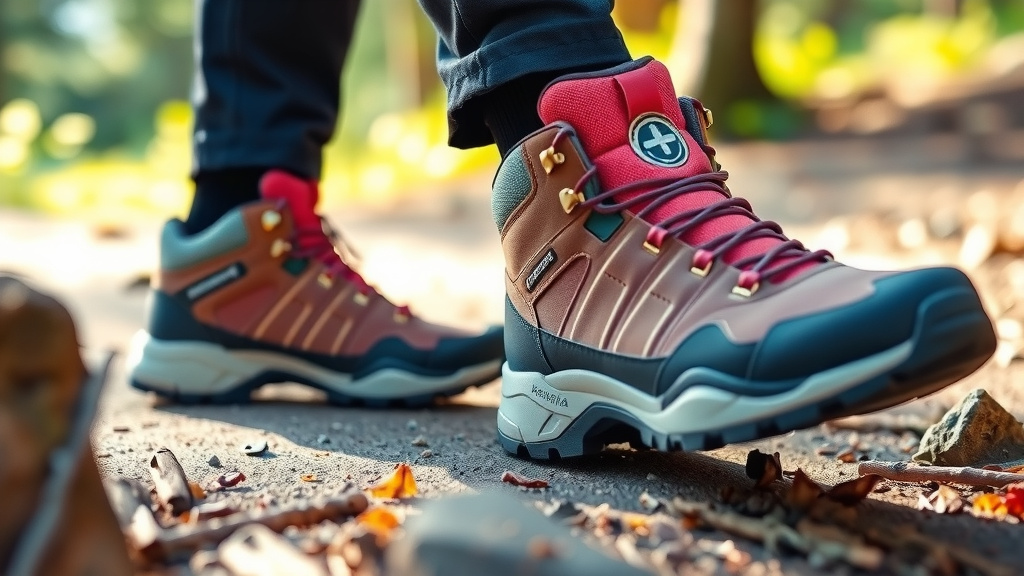
Approach shoes are specialized. They bridge the gap between hiking shoes and climbing shoes. Hikers often use them for the walk to a climbing route. They are also a solid choice for scrambling and rugged trails where you might need to use your hands. Many experts say their defining feature is the sticky rubber sole. This provides excellent grip on rock surfaces. You’ll find they have a low profile, similar to a trail running shoe. This gives you a better feel for the ground beneath your feet. They are generally lighter and more flexible than hiking boots. This allows for greater agility when navigating rocky or uneven terrain. Some models even have a stiff sole for edging on small holds, much like a climbing shoe.
Grip and Sensitivity
The high-friction rubber is key here. It’s formulated to stick to rock. This is a major advantage when you’re traversing scree slopes or granite slabs. You get a much better feel for the terrain. This sensitivity helps you place your feet precisely. It’s a big deal when every step counts. Many users report feeling more confident on steep or technical approaches. This is thanks to the shoe’s ability to hug the rock. It’s like having gecko feet!
Flexibility and Comfort
Approach shoes often have a softer construction. This allows your foot to move more naturally. They are great for long walks to the trailhead. They don’t feel as stiff as some hiking boots. You can also wear them around camp. They are generally more comfortable for everyday wear than traditional climbing shoes. Many come with a padded collar and tongue for added comfort.
Hiking Boots: The Trail Workhorse
Hiking boots are built for the long haul. They are designed to handle challenging terrain and heavier loads. If you’re planning extended trips or carrying a significant pack, these are likely your best bet. They provide excellent support and protection. This is crucial for preventing injuries on rough trails. We found that ankle support is a major selling point for many hikers. Hiking boots excel in this area.
Ankle Support and Stability
The most obvious difference is the height. Most hiking boots come up over your ankle. This offers superior stability. It helps prevent ankle rolls, especially when you’re tired or on uneven ground. This support is vital for preventing sprains. Many guidelines point to ankle support as a key factor in injury prevention (National Institutes of Health). The stiffer sole also contributes to stability. It provides a solid platform for your foot. This helps distribute pressure evenly.
Durability and Protection
Hiking boots are typically made from more robust materials. Think leather or durable synthetic fabrics. They are designed to withstand rough use. This means they can handle scuffs, abrasions, and impacts. Many feature reinforced toe caps and heel counters. This adds an extra layer of protection for your feet. If you’re hiking through brush or rocky areas, this protection is invaluable. They also often offer better waterproofing. This keeps your feet dry in wet conditions. Keeping your feet dry is important for comfort and preventing blisters.
Cushioning and Comfort for Distance
While approach shoes offer flexibility, hiking boots prioritize cushioning. They have thicker midsoles. This absorbs shock effectively. This is essential for long-distance comfort. Your feet will thank you after miles of walking. The cushioning reduces fatigue. It makes those longer treks much more enjoyable. We found that proper cushioning can significantly impact overall hiking experience.
Key Differences at a Glance
Let’s look at how these two types of footwear compare side-by-side. This will help you make a clear choice for your next adventure.
| Feature | Approach Shoes | Hiking Boots |
|---|---|---|
| Primary Use | Scrambling, climbing approaches, light trails | Backpacking, rough terrain, heavy loads |
| Ankle Support | Low | High |
| Sole Grip | Sticky rubber for rock | Durable lugs for traction on varied surfaces |
| Flexibility | High | Moderate to low |
| Weight | Lighter | Heavier |
| Protection | Moderate | High |
When to Choose Which
So, which one is right for you? It really depends on where you’re going and what you’ll be doing.
Pick Approach Shoes If:
- You do a lot of scrambling or scrambling-heavy hikes.
- You need a shoe with excellent grip on rock.
- You prefer a lighter, more flexible shoe.
- You’re tackling approaches to climbing routes.
- You want a versatile shoe that can also handle some light trails.
Pick Hiking Boots If:
- You plan on carrying heavy backpacks.
- You need maximum ankle support and stability.
- You’ll be hiking over rough, uneven, or rocky terrain.
- You prioritize durability and foot protection on long treks.
- You need reliable waterproofing for wet conditions.
The Final Decision Checklist
Before you click “add to cart,” ask yourself these quick questions:
- What kind of terrain will I be covering most often?
- Will I be carrying a heavy pack?
- How important is ankle support to me?
- Do I need enhanced grip on rock surfaces?
- Am I looking for a lighter, more agile shoe or a more supportive, protective one?
- What is the typical weather I’ll be hiking in?
Conclusion
You’ve learned that approach shoes and hiking boots serve distinct purposes. Approach shoes are your go-to for their sticky grip and flexibility on rocky ascents and light trails. Hiking boots, on the other hand, offer superior ankle support and robust protection for demanding terrain and heavy packs. Your choice depends entirely on your planned adventures. Consider your typical hikes and gear needs. Making the right footwear decision ensures comfort and safety on every journey. Now, lace up and get ready to conquer your next trail with confidence!
Frequently Asked Questions
Can I use approach shoes for everyday hiking?
Yes, you can use approach shoes for lighter hiking days. They are comfortable and offer good grip on well-maintained trails. However, they lack the ankle support and cushioning of dedicated hiking boots for rough terrain or long distances.
Are hiking boots too heavy for short hikes?
Hiking boots can feel heavy for very short or easy hikes. Their weight comes from the support and protection they offer. For quick strolls on gentle paths, lighter trail runners or even approach shoes might feel more comfortable and agile.
Which shoe is better for wet conditions?
Hiking boots generally offer better waterproofing. They are often constructed with more robust waterproof membranes and durable materials. While some approach shoes have water-resistant features, dedicated hiking boots are usually the superior choice for consistently wet environments.
Do approach shoes provide enough ankle support?
Approach shoes typically offer minimal ankle support. They are designed to be flexible and low-profile, similar to a sturdy trail shoe. If you frequently hike on uneven ground or carry a heavy pack, you’ll likely need the higher ankle support provided by hiking boots.
Can I wear hiking boots for scrambling?
While you can scramble in hiking boots, they are less ideal than approach shoes. Their stiffness and bulk can reduce your ability to feel the rock and make precise foot placements. Approach shoes provide better sensitivity and a stickier sole for secure footing on rock.