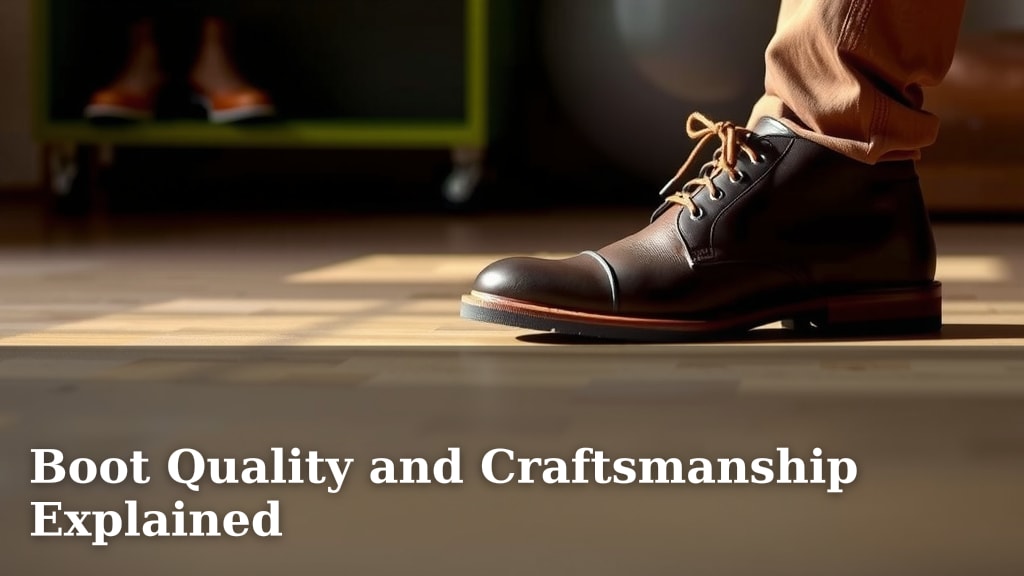
Boot Quality and Craftsmanship Explained
Boot quality and craftsmanship are all about the materials used and the way they are put together. Good boots feel sturdy, look well-made, and are built to last, showing attention to detail in every stitch and seam. This attention to detail translates to comfort and durability.
When we talk about boot quality, we’re really looking at how well a boot is constructed for its intended purpose. This involves examining things like the type of leather, the stitching techniques, and the sole attachment. These elements determine how comfortable your boots will be and how long they’ll hold up to wear and tear. We want boots that are a good investment.
- Materials Matter: High-quality leather, durable soles, and strong threads are key.
- Construction Techniques: How the boot is stitched and assembled makes a big difference.
- Fit and Feel: Well-crafted boots should be comfortable from the start.
- Longevity: Look for boots that can be repaired, not just replaced.
Let’s break down what makes a boot truly well-made so you can make the best choice for your feet.
What Goes Into Making Great Boots
So, you’re wondering what makes a boot truly well-made? It’s a blend of smart design and careful construction. We’re talking about materials that can handle a beating and methods that ensure everything stays together. Think of it like building a house: you need strong foundations and quality materials to make it last.
The Role of Materials
The foundation of any quality boot starts with the materials used. The kind of leather, the stitching thread, and the sole all play a huge role in how your boots perform and feel.
Leather Choices
Leather is king when it comes to boots. Full-grain leather is generally considered the best. It’s the outermost layer of the hide, which means it’s strong and durable. It also develops a beautiful patina over time, making your boots look even better with age. You’ll often see different types like Smooth Leather, Suede, and Nubuck. Smooth leather is treated and polished for a clean look. Suede has a soft, fuzzy texture because the flesh side of the hide is buffed. Nubuck is similar but buffed on the grain side, giving it a velvety feel. Each has its pros and cons for wear and tear.
Soles and Stitching
The sole is what connects you to the ground. High-quality boots often use rubber, Vibram soles, or leather for their durability and grip. Stitching is another key factor. Look for strong, even stitches that aren’t loose or messy. Double stitching can indicate extra strength.
Understanding Construction Methods
How the boot is put together is just as important as what it’s made of. Different construction methods offer varying levels of durability and flexibility.
Stitch-Down Construction
In stitch-down boots, the upper leather is turned outward and stitched directly to the sole. This method is often used for hiking and work boots because it’s very sturdy and allows for easy resoling. Many people find these boots quite comfortable after a break-in period.
Goodyear Welt Construction
This is a highly regarded method, especially for dressier boots and durable work boots. A strip of leather (the welt) is stitched to the upper and the sole, creating a strong, waterproof seal. The real advantage? Goodyear welted boots can be resoled multiple times, extending their life significantly. We found this makes them a great long-term investment.
Cement Construction
This is a more common and often less expensive method. The upper is glued directly to the sole. While it can make boots lighter and more flexible initially, cement-constructed boots are usually harder to repair and don’t last as long as welted ones. They’re often found in fashion boots or athletic shoes.
The Importance of Fit and Feel
Even the best-made boot won’t serve you well if it doesn’t fit right. Quality craftsmanship often translates to better comfort right out of the box, or at least a much easier break-in period.
Break-In Period
You’ve probably heard about breaking in boots. While some break-in is normal, especially with sturdy leather, a well-crafted boot shouldn’t feel like torture. We found that boots made with quality materials and good construction methods tend to mold to your foot more comfortably. If a boot feels painfully tight or pinches in weird spots right away, it might not be the best fit for your foot shape.
Arch Support and Cushioning
Consider what you’ll be doing in your boots. For long days on your feet, good arch support and adequate cushioning are essential. High-quality boots often provide better support than cheaper alternatives. Some even come with removable insoles, so you can swap them out for orthotics if needed.
Longevity and Repairability
A hallmark of quality is a boot’s ability to last. This isn’t just about toughness; it’s about whether the boot can be repaired when it eventually wears out.
Resoleable Boots
As mentioned, boots constructed with methods like Goodyear welting or stitch-down are designed to be resoled. This means when the sole wears down, you can take them to a cobbler to have a new one attached. This keeps your favorite boots in service for years, saving you money and reducing waste. Many experts suggest this is a key feature to look for.
What to Look For on Inspection
When you’re checking out boots, here’s a quick checklist to see if they’re built to last:
- Smooth, consistent stitching with no loose threads.
- No gaps or excessive glue visible between the sole and upper.
- Sturdy, thick leather that feels substantial.
- A well-attached, durable sole.
- Even color and finish on the leather.
- A comfortable, supportive feel when you try them on.
Durability Beyond Materials
It’s not just about picking the toughest leather; it’s how that leather is prepared and treated. Proper tanning processes make leather more resistant to water and wear. For example, many work boots use oil-tanned leather for water resistance and flexibility. We found that manufacturers who are transparent about their tanning methods often produce higher-quality boots.
The Cost Factor: Quality vs. Price
You might have noticed that high-quality boots often come with a higher price tag. Does that mean you’re just paying for a brand name? Not necessarily. The superior materials, the skilled labor involved in complex construction methods, and the attention to detail all add to the cost. Think of it as an investment. A well-made pair of boots might cost more upfront, but if they last twice as long and feel more comfortable, you’re actually getting more bang for your buck over time. Research from consumer reports often highlights that spending a little more on quality can save you money in the long run due to increased durability and fewer replacements needed.
Conclusion
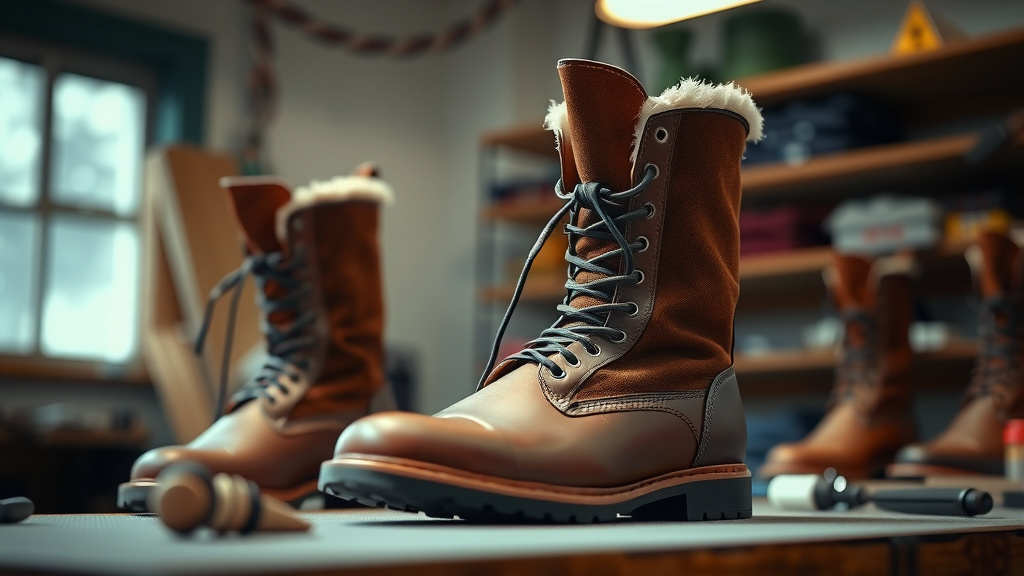
You’ve learned that boot quality is more than just a good look. It’s about the materials you choose, like full-grain leather, and how they’re assembled using methods such as Goodyear welting. These details directly impact your boots’ comfort and how long they’ll last. Remember to inspect stitching and sole attachment when you shop. Ready to invest in your next pair? Make your next boot purchase with confidence by focusing on these craftsmanship details!
Frequently Asked Questions
How can I tell if leather boots are good quality without being an expert?
Look for full-grain leather, which feels substantial and often has a natural grain pattern. Check for smooth, even stitching with no loose threads, and ensure the sole is securely attached with no gaps or excessive glue. Well-made boots should also feel comfortable and supportive when you try them on.
Is a long break-in period always a sign of quality boots?
Not necessarily. While some durable materials like thick leather require time to soften and mold to your feet, a painful break-in period isn’t ideal. Boots made with quality construction methods should offer a reasonable break-in experience and good comfort once settled. If they pinch or feel wrong from the start, they might not be the right fit for your foot.
What’s the difference between Goodyear welt and stitch-down construction for boots?
Goodyear welting uses a leather strip (welt) to attach the upper to the sole, creating a strong, waterproof seal that allows for multiple resoles. Stitch-down construction stitches the upper directly to the sole, offering sturdiness and easy resoling, often found in hiking or work boots. Both are excellent for longevity.
Can cheap boots ever be good quality?
Generally, higher quality boots come with a higher price tag due to superior materials and skilled labor. While you might find occasional deals, boots made with methods like cement construction and cheaper materials are often less durable and harder to repair. Investing a bit more upfront usually leads to better long-term value and comfort.
Why is leather tanning important for boot quality?
The tanning process significantly affects leather’s durability, flexibility, and resistance to water and wear. Proper tanning ensures the leather remains strong and doesn’t degrade quickly. Manufacturers using transparent, high-quality tanning methods often produce boots that perform better and last longer.