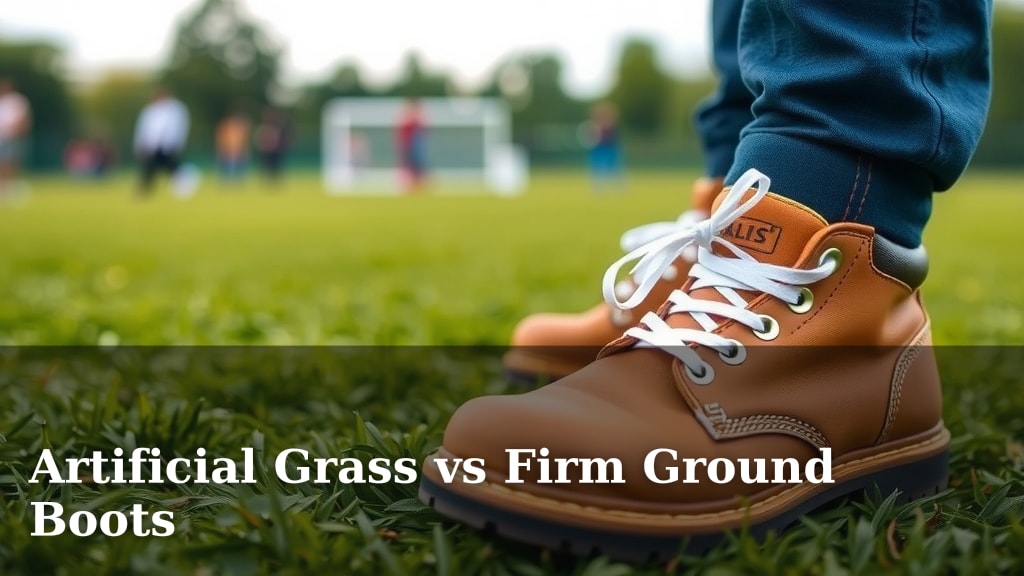
Artificial Grass vs Firm Ground Boots
Choosing between artificial grass and firm ground boots really depends on the playing surface. For artificial turf, you’ll want boots with short, rubber studs to prevent ankle twists and ensure good grip. Firm ground boots, with their longer, conical studs, are best suited for natural grass pitches where they dig in for stability.
Wearing the wrong boots can lead to injury or poor performance. Think of it like wearing the wrong shoes for a hike; it just won’t feel right. We’ve researched the key differences and found that matching your boot type to the field is absolutely essential for a safe and effective game.
- Artificial grass needs short, rubber studs for traction.
- Firm ground boots are for natural grass with longer studs.
- Wrong boots can cause injuries and hurt your game.
- Match your boots to your playing surface for best results.
Let’s break down exactly what you need to know about artificial grass vs. firm ground boots so you can make the best choice for your game.
Choosing Your Soccer Cleats: Artificial Grass vs. Firm Ground
So, you’re ready to hit the pitch, but your boot choice is still a bit hazy. We get it! Picking the right soccer cleats can feel like a puzzle. Specifically, knowing when to grab your artificial grass boots versus your firm ground boots is key. We’ve looked into what makes them different. It all comes down to the studs and the surface you’ll be playing on. Let’s break it down.
Understanding Artificial Grass (AG) Boots
Artificial grass fields have changed a lot over the years. Modern turf is softer and more forgiving than the old carpet-like surfaces. This means your boots need to work *with* the turf, not against it. AG boots are designed with this in mind. They offer a unique blend of comfort and performance for synthetic surfaces.
The Studs: Short, Numerous, and Rubberized
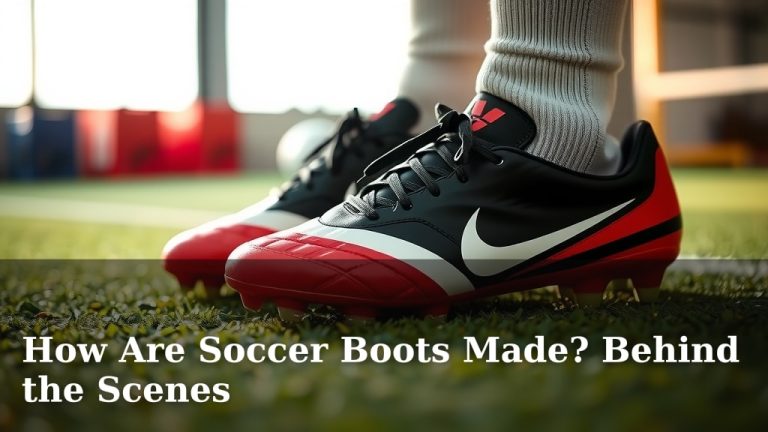
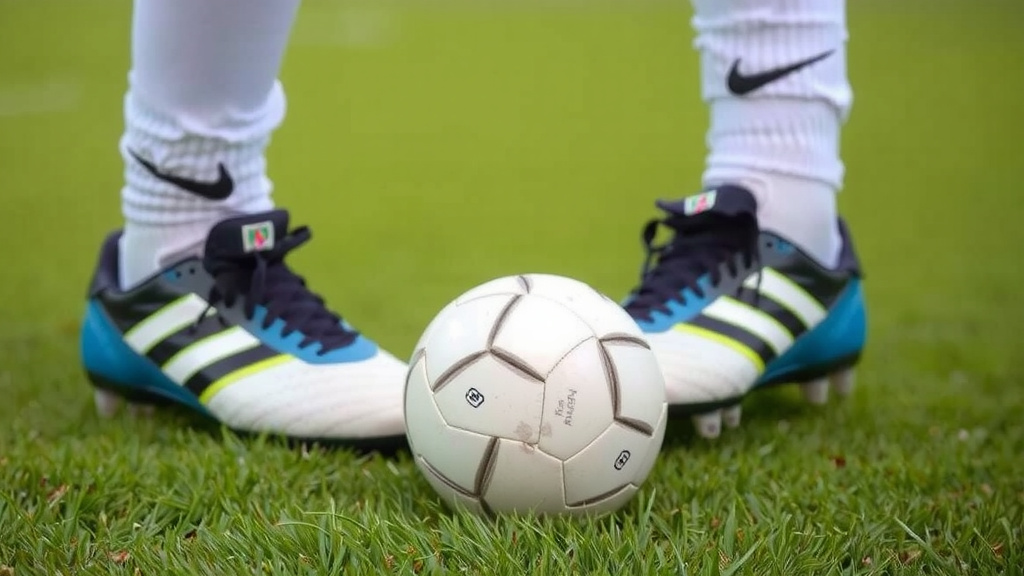
The biggest difference you’ll notice is the studs. Artificial grass boots feature shorter, conical studs. These studs are usually made of rubber. They are spread out across the soleplate. Think of them like tiny treads on a tire. They provide even pressure distribution. This helps you stay balanced. It also reduces the risk of twisting your ankle. Many experts say this is vital for preventing common soccer injuries (CDC).
Why AG Boots Are Better for Turf
Playing on artificial turf with the wrong boots can be a recipe for disaster. Traditional firm ground studs can dig too deeply into the synthetic fibers. This can cause your foot to get stuck. It feels unnatural and can lead to injuries. AG boots, with their shorter studs, offer better traction without that jarring feeling. You’ll feel more agile. Your movements will be smoother.
Comfort and Durability on Synthetic Surfaces
Beyond traction, AG boots are often built for comfort on harder surfaces. They might have extra cushioning. This helps absorb shock. They are also designed to withstand the wear and tear of synthetic fields. Many research studies show that proper footwear can enhance player performance and reduce fatigue (NIH). You’ll feel less tired, even late in the game.
Understanding Firm Ground (FG) Boots
Firm ground boots are the classic choice for most outdoor soccer. They are designed for natural grass pitches that are well-maintained. These boots are built to give you stability and grip on a softer surface. They help you dig in when you need to make a sharp turn or a powerful shot.
The Studs: Longer, Fewer, and More Aggressive
FG boots typically have longer, bladed, or conical studs. These are fewer in number compared to AG boots. They are strategically placed. The goal is to penetrate the natural grass. This provides a secure grip. It prevents slipping on damp or slightly uneven surfaces. Think of them as digging into the earth for stability.
Why FG Boots Work on Natural Grass
On a natural grass pitch, these longer studs are your best friend. They allow you to plant your feet firmly. This is essential for changing direction quickly. It’s also important for generating power when kicking the ball. Many coaches emphasize that good footing leads to better control and more confident play. They help you feel connected to the ground.
The Risks of Using FG Boots on Artificial Turf
Here’s where things can get dicey. If you wear firm ground boots on an artificial grass field, you’re inviting trouble. The longer studs can get stuck in the turf. This is often called “catching.” It can cause your ankle to twist or even sprain. It can also damage the artificial turf itself. Many sports medicine professionals advise strongly against this practice (Cleveland Clinic). It’s simply not what FG boots are designed for.
| Boot Type | Ideal Surface | Stud Characteristics | Primary Benefit |
|---|---|---|---|
| Artificial Grass (AG) | Synthetic Turf | Short, rubber, conical, numerous | Traction, stability, ankle protection |
| Firm Ground (FG) | Natural Grass | Longer, bladed or conical, fewer | Grip, stability, power transfer |
When to Use Which Boot: A Quick Guide
Making the right choice is simpler than you might think. It’s all about matching your footwear to the field. This one decision can prevent injuries and improve your game. Let’s look at a straightforward checklist to help you decide.
- Always check the playing surface before you play.
- Playing on turf? Reach for your AG boots.
- Playing on natural grass? Your FG boots are the way to go.
- If you play on a mix of surfaces, consider multi-ground (MG) boots.
- Never wear FG boots on artificial grass.
- Your ankles will thank you!
Research consistently shows that wearing the correct footwear reduces injury risk. It also helps you perform at your best. Don’t let the wrong cleats hold you back. Making an informed choice is the first step to a safer, more enjoyable game.
Conclusion
You now know the key differences between artificial grass (AG) and firm ground (FG) soccer boots. AG boots feature short, rubber studs for synthetic turf. FG boots have longer studs for natural grass pitches. Wearing the wrong boots can lead to injuries and affect your performance. Always match your footwear to the playing surface for a safer and better game. If you play on various surfaces, consider multi-ground (MG) boots. Your ankles will thank you for making the right choice.
Frequently Asked Questions
Can I use my firm ground boots on artificial turf?
It’s strongly advised not to wear firm ground boots on artificial turf. The longer studs can get stuck in the turf, increasing your risk of ankle injuries. This can also damage the artificial surface itself.
Are artificial grass boots good for all types of artificial turf?
Yes, artificial grass boots are specifically designed for modern synthetic turf fields. Their short, rubber studs provide the best grip and distribute pressure evenly, reducing injury risk on these surfaces.
What happens if I wear artificial grass boots on natural grass?
Wearing AG boots on natural grass might leave you feeling like you slip more. The shorter studs don’t penetrate the grass as effectively as FG studs, so your traction could be reduced.
What are multi-ground (MG) soccer boots?
Multi-ground boots are designed for versatility. They have a stud pattern that works reasonably well on both artificial grass and natural grass fields, offering a good compromise if you play on different surfaces.
How do I know if my field is firm ground or artificial grass?
Firm ground fields are natural grass pitches. Artificial grass fields are made of synthetic fibers. When in doubt, look closely at the surface material or ask your coach or facility manager.