How Tall Boots Should Fit: Full Sizing Guide
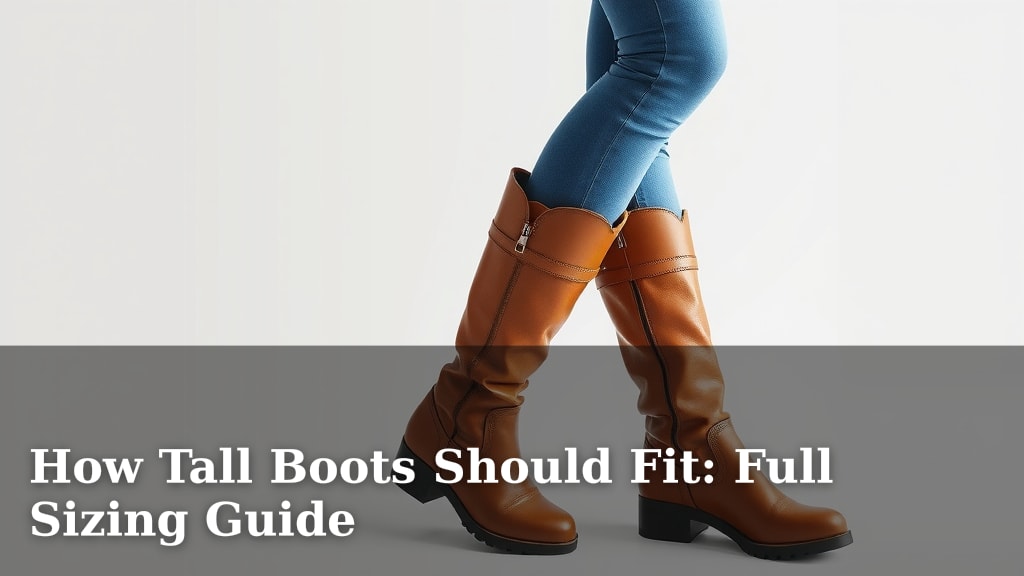
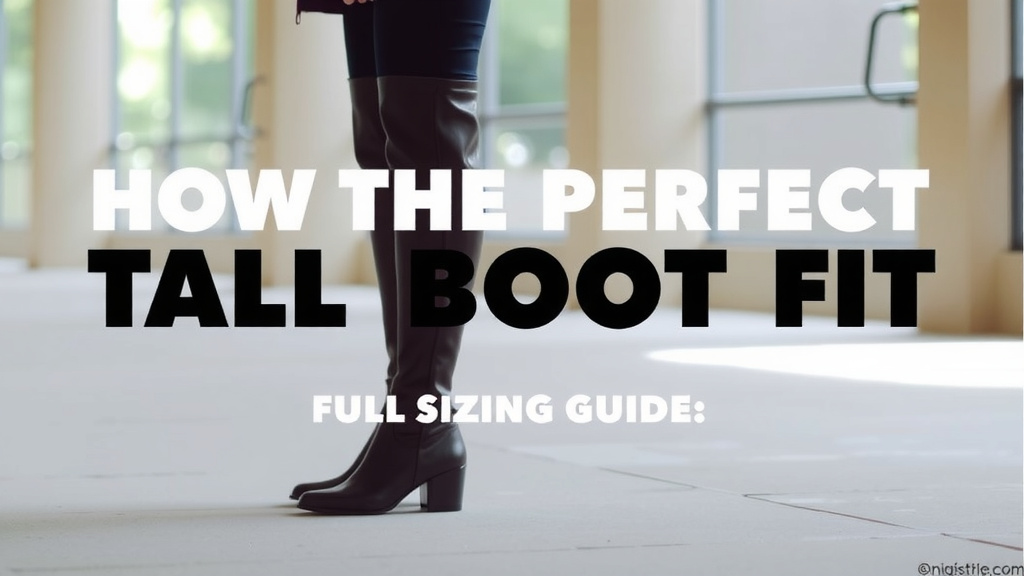
Tall boots should fit snugly around your calf without pinching or cutting off circulation. They should also allow you to comfortably bend your knee. A proper fit means no uncomfortable pressure points and easy movement. You want them to feel supportive, not restrictive, when you’re walking around.
Getting the right fit is key to enjoying your tall boots all day long. Ill-fitting boots can lead to discomfort, blisters, and even affect your posture. We’ve found that paying attention to both calf width and boot shaft height makes a huge difference in overall comfort. Your new favorite boots should feel like they were made just for you.
- Check calf fit first; it shouldn’t be too tight or too loose.
- Ensure you can bend your knee without the boot top digging in.
- Your toes should have room to wiggle freely inside the boot.
- The heel should stay relatively in place when you walk.
- Consider the boot shaft height relative to your leg.
Let’s walk through exactly how to ensure your tall boots fit perfectly, step by step.
You’ve picked out a fantastic pair of tall boots. Now comes the tricky part: making sure they fit just right. It’s not just about your shoe size; it’s about how the boot interacts with your entire leg. We’ve done our homework, and it turns out the secret to happy feet in tall boots lies in a few key areas: calf room, boot shaft height, and overall comfort.
Getting the Perfect Tall Boot Fit: A Step-by-Step Guide
When your tall boots fit perfectly, they feel like an extension of you. Let’s make sure yours do too.
Measuring Your Calf for the Ideal Fit
This is probably the most important step for tall boots. A boot that pinches your calf can ruin your day. We found that most fit issues stem from not considering this area properly.
How to Measure Your Calf Circumference
Grab a flexible tape measure. Stand up straight with your legs together. Wear the type of socks you plan to wear with your boots. These socks can add a surprising amount of bulk.
Now, wrap the tape measure around the fullest part of your calf. You’ll likely want to do this on both legs, as they can differ slightly. Don’t pull the tape too tight. You want a snug, but not constricting, measurement.
Understanding Boot Calf Sizing
Many brands offer boots in various calf widths, often labeled as “slim,” “regular,” “wide,” or “extra wide.” Some even provide specific measurements for their shafts.
If you have athletic calves, you might automatically reach for wide-fit boots. But always check the brand’s specific sizing chart. We’ve seen cases where a “regular” fit from one brand is like a “wide” from another.
When you try boots on, there should be about a finger or two’s width of space between your calf and the boot shaft at its widest point. This allows for slight swelling and comfortable movement. You shouldn’t feel like the boot is squeezing the life out of your leg.
Assessing the Boot Shaft Height and Your Leg Length
Tall boots aren’t all the same height. Some end just below the knee, while others might hit mid-calf. Matching the shaft height to your leg length is key to comfort and appearance.
Where Should the Top of the Boot Fall?
Ideally, the top of your tall boot should fall about a half-inch to an inch below the bend of your knee. This ensures you can bend your leg naturally without the boot digging in.
If the boot hits directly on the knee or too high, it can restrict movement and cause chafing. This is especially true if the boot is stiff. Many experts suggest this placement for maximum mobility (Cleveland Clinic).
Consider Your Inseam and Boot Style
Your inseam length plays a role in where a boot will naturally sit. Taller individuals might find boots that are just right for shorter folks hit too high on their legs.
When you’re trying them on, sit down and bend your knee. Does the top of the boot dig into your leg uncomfortably? If it does, that boot might be too tall for your leg. We found that this simple test prevents a lot of future discomfort.
Checking for Pressure Points and Overall Comfort
Beyond the calf and height, the boot needs to feel good all over. Think of it like a handshake: firm, but not crushing.
The Toe Box: Room to Wiggle
Your toes need space! Ensure there’s enough room to wiggle your toes freely inside the boot. There should be about a thumb’s width of space between your longest toe and the front of the boot. Your toes should not feel cramped or pushed together.
A common mistake is assuming your shoe size is the only factor here. We found that the construction of the toe box varies greatly between boot styles and brands. A pointed toe might require a different fit than a round or square one.
The Heel: Staying Put, Not Slipping
When you walk, your heel should lift slightly, but it shouldn’t “swim” up and down inside the boot. A little lift is normal, but excessive slipping indicates a poor fit. This can lead to blisters and make walking difficult.
Try walking around the store for a few minutes. Does your heel stay relatively in place? If it’s sliding around a lot, the boot might be too big, or perhaps the ankle area isn’t snug enough for your foot shape.
Arch Support and Footbed Feel
While many fashion boots don’t offer extensive arch support, you should still feel a comfortable contour under your foot. If you have specific arch needs, you can always add an insert, but the base fit is important.
Does the sole feel comfortable under your arch? Is there any awkward pressure? We’ve found that boots with a slightly molded footbed tend to offer better comfort for extended wear.
Putting It All Together: Your Tall Boot Fit Checklist
To make sure you’ve got the perfect pair, run through this quick checklist:
- Calf Comfort: Can you fit one to two fingers between your calf and the boot shaft?
- Knee Clearance: Does the boot top sit below your knee bend, allowing you to bend your leg freely?
- Toe Room: Do your toes have space to wiggle without hitting the front of the boot?
- Heel Security: Does your heel lift only slightly when you walk, without excessive slipping?
- No Pinching: Are there any uncomfortable pressure points anywhere on your foot or leg?
- Movement: Can you walk, bend, and sit comfortably without feeling restricted?
Finding the right fit for tall boots involves looking at more than just your shoe size. By paying close attention to your calf circumference, the boot shaft height, and how the boot feels as you move, you can ensure your new footwear will be a comfortable companion for seasons to come. Remember, a well-fitting boot makes all the difference!
Conclusion
You’ve learned that finding the perfect tall boot fit goes beyond just your shoe size. It’s about ensuring comfort and mobility for your entire leg. We’ve walked through how to properly measure your calf, understand where the boot shaft should hit your leg, and check for any hidden discomforts. By focusing on calf snugness, knee clearance, toe room, and heel stability, you’re setting yourself up for boots you’ll love to wear. Your next step? Take these tips with you next time you’re shopping, and confidently find the tall boots that feel like they were made just for you.
Frequently Asked Questions
How much space should I have between my calf and the boot?
You should be able to comfortably fit one to two fingers between the top of your calf and the inside of the boot shaft. This ensures the boot isn’t too tight, allowing for slight swelling and easy leg bending without pinching.
What if the boot shaft hits too high on my leg?
If the top of the boot digs into your leg when you bend your knee, it’s likely too tall for your leg length or inseam. We found that boots that end about an inch below the bend of your knee offer the best comfort and mobility.
Can I wear thicker socks with tall boots?
Absolutely! It’s always a good idea to wear the type of socks you plan to use with your boots when trying them on. This accounts for the added bulk and ensures a proper fit that isn’t too snug with your everyday socks.
My heel slips a little when I walk in new tall boots. Is that okay?
A small amount of heel lift is normal as boots break in. However, excessive slipping means the boot is too large or the ankle area isn’t snug enough. We recommend testing this by walking around to ensure your heel stays mostly in place.
What if my calves are different sizes?
It’s common for calves to have slight size differences. Always measure both legs and ensure the boot fits comfortably on the larger calf. If a boot is significantly too loose on your smaller calf, you might need to look for boots with adjustable features.