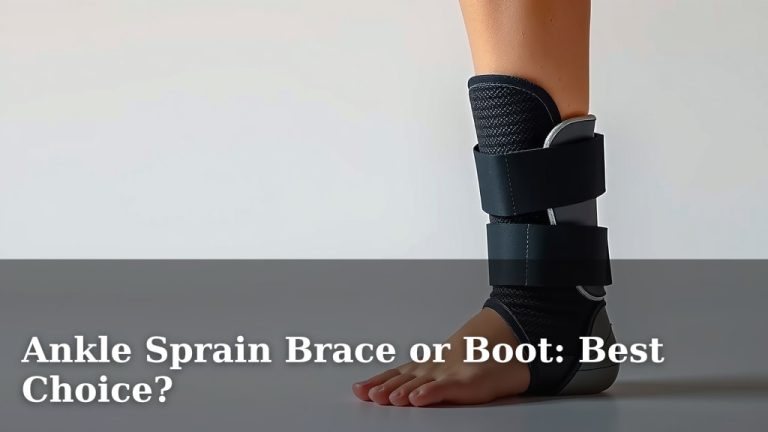
Benefits of Wearing an Aircast Boot
Yes, wearing an Aircast boot offers significant benefits for healing foot and ankle injuries. These specialized boots provide excellent support and immobilization, helping to protect your injured limb while it recovers. They are designed to reduce pain and swelling.
An Aircast boot is often recommended after fractures, sprains, or surgery. It can be a real lifesaver when you need to keep weight off a tender foot or ankle. Many find it much easier to manage daily life with one.
- Aircast boots stabilize injured feet and ankles.
- They help reduce pain and swelling effectively.
- They protect your limb during the healing process.
- They allow for controlled mobility when needed.
- They are often a great alternative to casting.
Let’s walk through exactly how an Aircast boot can help you get back on your feet.
How an Aircast Boot Helps Your Foot and Ankle Heal
So, you’ve found yourself needing an Aircast boot. It might seem a bit clunky, but this boot is a real hero for your injured foot or ankle. Think of it as a high-tech, super supportive cast that lets you manage things a bit more easily. We’re going to break down exactly how it works to help you recover.
Stabilizing Your Injury for Better Healing
The main job of an Aircast boot is to keep your injured area perfectly still. When you sprain your ankle or fracture a bone, the worst thing you can do is move it around. Movement can tear tissues further or shift a broken bone out of place. The boot acts like a rigid shell, preventing those unwanted movements.
It’s designed to immobilize the ankle and foot effectively. This stillness is key for your body to start its natural healing processes. Research shows that stable environments promote faster tissue repair (NCBI).
Reducing Pain and Swelling: Your Comfort Matters
Let’s be honest, injuries hurt. And swelling can make everything feel worse and harder to heal. Aircast boots help with both. By immobilizing the limb, they reduce the inflammation that comes with injury. Less movement means less irritation to the damaged tissues.
Many boots also have adjustable air bladders. You can inflate or deflate these to get just the right amount of gentle pressure. This pressure can help reduce swelling and provide a comforting hug to your injured limb. It’s like a supportive hug for your ankle!
How the Air Bladders Work
The adjustable air bladders are a really smart feature. They allow you to customize the support. When you first get the boot, your doctor or physical therapist will likely help you set the initial inflation level. As your swelling goes down over days or weeks, you can adjust it.
This means the boot can continue to offer optimal support without feeling too tight or too loose. It’s a dynamic way to manage comfort and healing. This adaptability is a big advantage over traditional plaster casts.
Protecting Your Injured Limb from Further Harm
When you’re walking around with an injured foot or ankle, you’re always at risk of bumping it or putting too much pressure on it. An Aircast boot acts like a protective shield. The hard shell prevents you from accidentally twisting your ankle or banging it against something.
This protection is vital, especially if you need to walk around. It gives you confidence that your injury is safe while you’re on the move. It’s like giving your foot its own personal bodyguard!
Allowing for Controlled Mobility and Weight-Bearing
Unlike a traditional cast, many Aircast boots allow for a degree of controlled movement and weight-bearing. This is a huge benefit for your recovery and daily life. Your doctor will tell you when and how much weight you can put on your foot.
The boot is designed to help you walk more normally, albeit with a bit of a different gait. This controlled mobility can prevent stiffness and muscle atrophy that can happen when an limb is completely immobilized for too long. It helps you stay more active during recovery.
Walking with an Aircast Boot: What to Expect
Walking in an Aircast boot feels different, for sure. You’ll likely notice a change in your stride. The sole is often curved, which helps you roll through your step rather than taking a hard impact. It might feel a bit like you’re walking on a ramp.
It’s important to try and walk as naturally as possible within the boot’s limitations. This helps your muscles and joints stay engaged. Your physical therapist can give you tips on how to walk safely and effectively.
A Closer Look at Common Uses for Aircast Boots
You’ll often see Aircast boots prescribed for a variety of injuries. They are excellent for treating fractures of the foot, ankle, and lower leg. This includes things like broken bones in the heel, ankle, or even the shin bone.
They are also a go-to for severe ankle sprains. A severe sprain involves torn ligaments, and the boot provides the necessary support to allow these ligaments to heal properly without re-injury. Post-surgery recovery is another common application. After an operation on your foot or ankle, the boot helps protect the surgical site and limits movement while you heal.
Comparing Aircast Boots to Traditional Casts
Why choose a boot over a traditional plaster or fiberglass cast? Well, there are several reasons. First, adjustability. As we’ve discussed, the air bladders allow for custom fit and swelling management. You can’t adjust a plaster cast!
Second, hygiene and convenience. Aircast boots are generally easier to keep clean. You can often remove them for showering (with care and doctor’s advice, of course!) or for specific exercises. This makes daily tasks much more manageable.
Here’s a quick comparison:
| Feature | Aircast Boot | Traditional Cast |
|---|---|---|
| Immobilization | High, adjustable | Very high, fixed |
| Swelling Control | Good, with air bladders | Limited |
| Weight-Bearing | Often allowed (controlled) | Usually not allowed |
| Removal for Hygiene/Care | Yes (with guidance) | No |
| Adjustability | Yes | No |
Tips for Using Your Aircast Boot Effectively
To get the most out of your Aircast boot, follow your healthcare provider’s instructions closely. They are your best resource for managing your specific injury.
- Listen to your doctor.
- Adjust air pressure as advised.
- Keep it clean and dry.
- Use crutches or a walker if recommended.
- Perform prescribed exercises.
- Don’t remove it unless told to.
By understanding how your Aircast boot works and following the right steps, you’re setting yourself up for a smoother, more comfortable recovery. It’s a tool designed to help you heal, so let it do its job!
Conclusion
You’ve learned that wearing an Aircast boot is a smart move for healing foot and ankle injuries. It’s your partner in recovery, offering much-needed stability and protection. By reducing pain and swelling while allowing controlled movement, it helps you manage daily life better. Remember, your Aircast boot is a tool designed to get you back on your feet. So, continue to follow your doctor’s advice closely. Make sure to adjust the air pressure as recommended and keep the boot clean.
Frequently Asked Questions
How long do I typically need to wear an Aircast boot?
The duration you’ll need to wear your Aircast boot depends entirely on your specific injury and your doctor’s assessment. Common conditions like severe sprains or fractures might require wearing it for several weeks. Your healthcare provider will give you the best estimate based on your healing progress.
Can I take the Aircast boot off to sleep?
Generally, you should follow your doctor’s instructions regarding removing the boot for sleep. For many fractures and significant sprains, continuous immobilization is key to healing. However, some healthcare providers may allow removal at night, so always confirm with them first.
Is walking in an Aircast boot safe?
Yes, Aircast boots are designed to allow for safe, controlled weight-bearing and walking. The boot’s rigid shell protects your injured limb, and its rocker-bottom sole helps you move your foot naturally. Your doctor or physical therapist can guide you on proper walking techniques.
How do I keep my Aircast boot clean?
Keeping your Aircast boot clean is usually straightforward. You can typically wipe down the exterior with a damp cloth. For the liner, check the manufacturer’s instructions, as some can be hand-washed or wiped clean. Avoid submerging the boot in water unless specifically instructed.
What should I do if my Aircast boot feels too tight or too loose?
If your Aircast boot feels too tight or too loose, the most common adjustment is to the air bladders. You can usually add or release air using the inflation bulb. If the fit remains problematic, or if you experience increased pain or discomfort, contact your healthcare provider immediately.