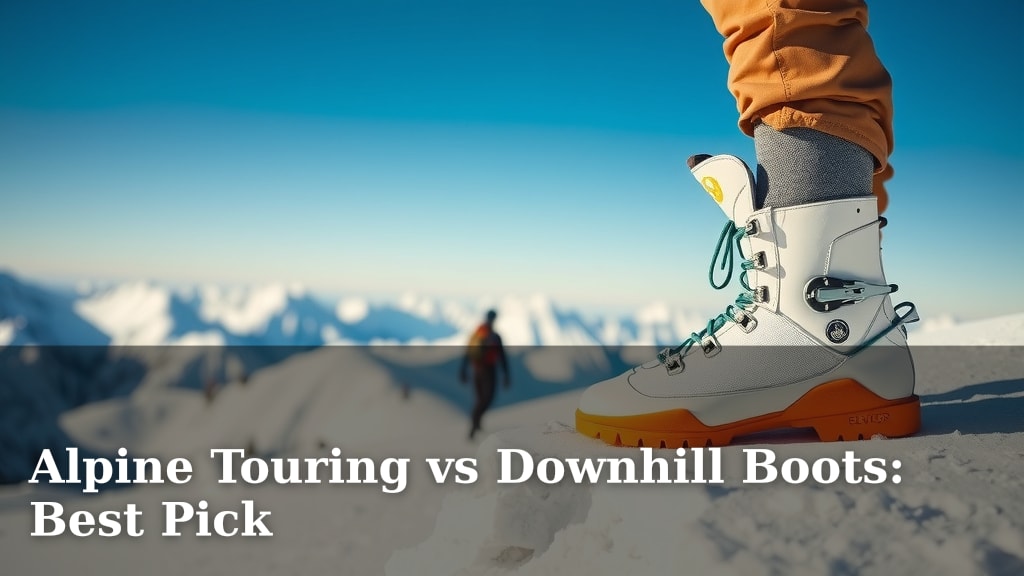
Alpine Touring vs Downhill Boots: Best Pick
When choosing between alpine touring and downhill boots, the best pick depends entirely on your **skiing style and intended use**. Alpine touring boots offer greater **flexibility for uphill travel** and backcountry adventures, while downhill boots prioritize stiffness and power for resort skiing. Neither is universally “better”; it’s about matching the boot to your personal needs.
Understanding the core differences can save you frustration on the slopes. Touring boots feature a walk mode and lighter construction for climbing efficiency. Downhill boots are built for maximum **power transmission and downhill performance**. Your choice impacts comfort, control, and how much fun you have.
TL;DR:
- Alpine touring boots are for uphill hiking and backcountry.
- Downhill boots are for resort skiing and speed.
- Touring boots are lighter and more flexible.
- Downhill boots are stiffer and offer more power.
- Your choice depends on where and how you ski.
Let’s break down exactly what sets these two types of ski boots apart, so you can confidently choose the perfect pair for your next mountain adventure.
Choosing the Right Ski Boots: Touring vs. Downhill
Deciding between alpine touring and downhill ski boots can feel like a big choice. You want boots that make your ski days amazing. Let’s break down what each type is best for. We’ll help you find the perfect fit for where and how you plan to ski.
Understanding the Core Differences
The main difference lies in their purpose. Downhill boots are built for one thing: maximum performance on the way down at a resort. Touring boots are designed with a dual purpose: getting you uphill efficiently and then letting you ski down.
Weight and Construction
Touring boots are generally much lighter than downhill boots. This is a big deal when you’re skinning uphill for hours. Manufacturers use lighter plastics and design features to save weight. Downhill boots prioritize stiffness and support, often using heavier materials for more power transfer.
Flex and Stiffness
Downhill boots are known for their stiffness. This means they have a higher flex rating, typically from 90 to 150+. A stiff boot gives you better control and power, especially on challenging terrain or at high speeds. Touring boots offer a wider range of flex, often between 80 and 120. They need enough stiffness for a good ski descent but also enough flexibility for comfortable hiking.
The All-Important Walk Mode
This is a defining feature of touring boots. A walk mode allows the cuff of the boot to move freely forward and backward. This dramatically increases your stride length and comfort when hiking. When you’re ready to ski, you lock the cuff back into place for a solid downhill feel. Downhill boots do not have this feature; their cuffs are permanently fixed for maximum support.
When to Choose Downhill Boots
If your ski adventures primarily take place at a ski resort, downhill boots are likely your best bet. They are engineered to give you the most control and power when ripping groomers, hitting the park, or navigating moguls.
Resort Skiing Focused
Downhill boots excel at transmitting your energy directly to your skis. This means quick edge changes and stable high-speed skiing. Many experts say that for pure downhill performance, nothing beats a well-fitting downhill boot (Many experts say this).
Power and Precision
The stiffer construction means less energy loss. You feel more connected to your skis. This is crucial for advanced skiers who demand precision. If you love carving turns and feeling the snow under your feet, downhill boots are your companion.
Comfort in the Lodge
While they aren’t designed for hiking, downhill boots are often engineered for comfort during a ski day. Many models feature plush liners and supportive footbeds for a snug fit that holds up for hours of lift-served skiing.
When to Choose Alpine Touring Boots
Alpine touring, or AT, boots are for the skier who wants to earn their turns. If you dream of fresh powder away from the crowds or enjoy the challenge of uphill travel, touring boots are your ticket.
Uphill Efficiency is Key
The lightweight design and walk mode make a huge difference. You can hike for hours without feeling weighed down. The range of motion in walk mode allows for a more natural and less fatiguing stride. Many backcountry skiers report significantly less fatigue when using dedicated touring boots.
Versatility for the Backcountry
Touring boots are designed to be versatile. They need to handle the demands of climbing and skinning, but also provide a secure and powerful platform for skiing downhill. This versatility means you can often use them for resort skiing too, though they may not offer the same level of stiffness as a dedicated downhill boot.
Compatibility with Touring Bindings
It’s important to know that touring boots are designed to work with specific touring bindings. These bindings have different mechanisms to allow for the heel to lift during the uphill phase. Many touring boots have a rubber sole that offers better grip on rocks and ice when you’re hiking.
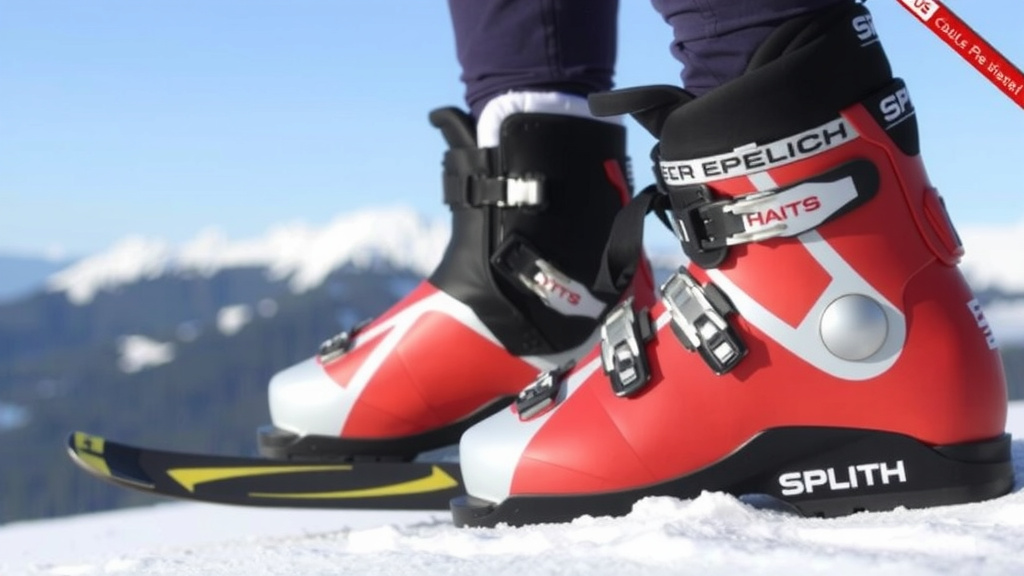
Comparing Key Features Side-by-Side
To help you visualize the differences, let’s look at some key features in a table. This comparison should make it clear which features matter most for your skiing style.
| Feature | Alpine Touring Boots | Downhill Boots |
|---|---|---|
| Primary Use | Uphill travel & backcountry skiing | Resort skiing & lift-served terrain |
| Weight | Lighter | Heavier |
| Walk Mode | Yes (promotes hiking comfort) | No |
| Stiffness (Flex) | Moderate (e.g., 80-120) | Stiff (e.g., 90-150+) |
| Power Transmission | Good, but less direct than downhill | Excellent, direct |
| Uphill Performance | Excellent | Poor |
Making Your Final Decision: A Quick Checklist
To help you land on the right boot, ask yourself these questions. Your answers will point you toward the best choice for your skiing needs.
- Where do you ski most often? Resorts or the backcountry?
- Do you plan to hike uphill to ski? Or do you prefer lift access?
- How important is weight? Do you mind carrying a bit more for downhill power?
- What’s your skiing style? Aggressive carving or relaxed cruising?
- What’s your budget? Touring gear can sometimes be a bit pricier.
Conclusion
Choosing between alpine touring and downhill boots boils down to your skiing priorities. If resort laps and aggressive carving are your jam, a stiff downhill boot will offer unmatched power and control. For those drawn to the backcountry, the uphill efficiency and flexibility of an alpine touring boot are non-negotiable. Many experienced skiers find that having both boot types for different adventures offers the best of both worlds. Consider your most frequent skiing scenarios, and select the boot that aligns with your mountain goals to maximize your enjoyment on the snow.
Frequently Asked Questions
Can I use downhill boots for occasional backcountry tours?
While technically possible for very short, simple tours, downhill boots are not designed for uphill travel. Their stiffness and lack of a walk mode make hiking incredibly difficult and inefficient. You’ll likely find yourself fatigued much faster and with less enjoyment than if you used proper touring boots.
Are alpine touring boots good enough for resort skiing?
Yes, most alpine touring boots can be used for resort skiing, especially if you opt for a stiffer touring model. They provide good downhill performance, though they might not offer the same level of power transmission or stiffness as a dedicated downhill boot. Many skiers use their touring boots as a versatile option for both.
How much heavier are downhill boots compared to touring boots?
Downhill boots are generally noticeably heavier, often by several hundred grams per boot. This extra weight is due to their more robust construction, designed for maximum stiffness and durability for downhill charging. Lighter materials are a key focus for touring boot manufacturers to aid uphill travel.
What does “flex rating” mean for ski boots?
The flex rating indicates how stiff a ski boot is. A higher number means a stiffer boot, which provides more support and power transfer for aggressive skiing or heavier skiers. Touring boots tend to have a lower flex range to allow for more comfortable hiking, while downhill boots often start at a higher flex and go up for expert skiers.
Do I need new skis if I buy alpine touring boots?
Not necessarily. Many modern alpine touring bindings are designed to be compatible with standard alpine boots, and some even allow for switchability between downhill and touring modes. However, for the full backcountry experience, you’ll ideally want touring-specific bindings that work with your touring boots’ tech fittings.