Cowboy Boot Fit vs Shoe Fit: What You Need to Know
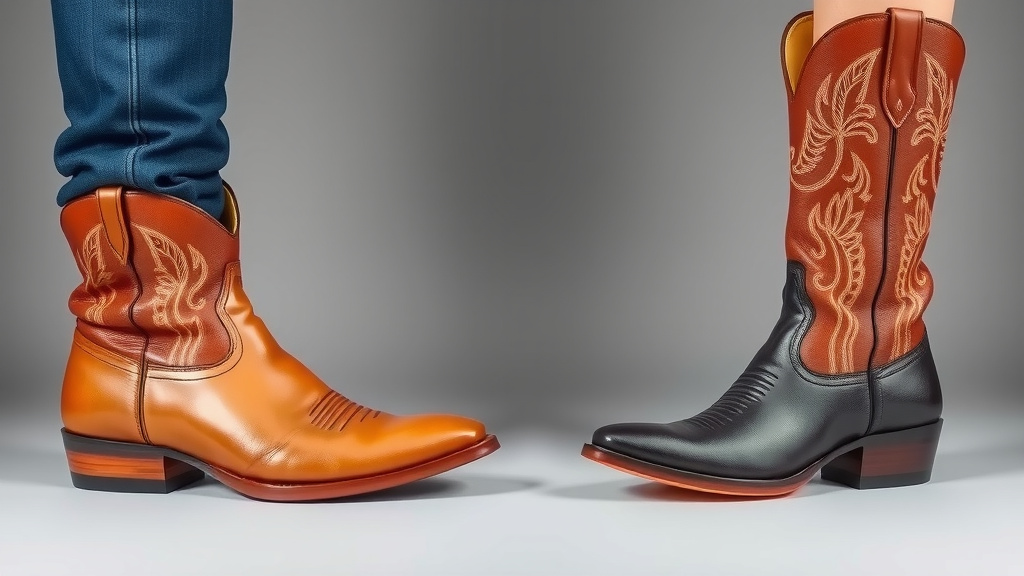
Cowboy boots generally fit differently than your everyday shoes. They are often snugger in the foot but have more wiggle room for your toes. Many people find they need to go down a half size compared to their regular shoes for the best fit. It’s important to remember that a proper fit means they should feel secure but not painfully tight. This snug feel helps them perform as intended.
Unlike sneakers that are designed for instant comfort, cowboy boots require a bit of a break-in period. The initial fit might feel tight, especially in the instep. This is normal and part of the cowboy boot experience. We found that proper sizing is key to avoiding discomfort during this process. Your heel should lift slightly when you first try them on, but it shouldn’t slip out completely.
- Cowboy boots fit snugger in the foot.
- You may need a half size smaller than usual.
- The heel should lift a little, not slip out.
- Expect a break-in period for best comfort.
- A good fit feels secure but not painfully tight.
Ready to get your boot fit just right? Let’s walk through exactly how cowboy boots should feel when they’re on your feet.
Understanding Cowboy Boot Fit vs. Your Regular Shoes
So, how do cowboy boots feel on your feet compared to your everyday sneakers or dress shoes? It’s a common question, and the answer involves a few key differences you’ll want to know before you buy. We’ve found that cowboy boots are designed for a specific kind of fit to help them function correctly. Think of it like a glove for your foot, but with a bit more breathing room for your toes!
The Snugness Factor: Foot vs. Shoe
When you first slide your foot into a pair of cowboy boots, you’ll likely notice they feel snugger through the instep and midfoot than your usual shoes. This isn’t a sign that they’re too small. In fact, this snugness is by design. It helps keep your foot securely in place, especially when you’re riding or walking on uneven terrain. We found that this secure hug prevents your foot from sliding around inside the boot, which can lead to blisters and discomfort.
Contrast this with many athletic shoes or casual loafers. These are often designed for immediate, plush comfort, sometimes with a looser feel. Cowboy boots prioritize a secure hold over instant softness. This is why many people new to cowboy boots find them surprisingly tight at first. The leather will mold to your foot over time, but that initial snugness is a sign of a proper fit in the making.
Toe Room: A Different Kind of Space
While the midfoot is snug, the toe box in cowboy boots is often quite different from what you’re used to. You’ll typically find more vertical space and a roomier feel for your toes. This is a classic feature of traditional cowboy boots. It prevents your toes from being cramped, which is essential for comfort during long days or while riding. Many boots are designed with a pointed or almond-shaped toe, but this shape doesn’t mean your toes are squished.
The idea is to allow your toes to flex and move naturally within that space. We’ve observed that a properly fitting boot won’t feel tight at the toe, even if the boot itself has a tapered look. Your toes should have room to wiggle a bit. If you feel pinching or pressing at the very tips of your toes, that’s usually a sign the boots are too short, not necessarily too narrow.
The Heel Lift: What to Expect
One of the most talked-about aspects of cowboy boot fit is the heel lift. When you first try on a new pair, you should feel a slight lift in your heel as you walk. This is completely normal and often desired. Think of it as the boot breaking in. The snug fit in the instep helps lock your heel in place, but there’s a bit of movement as the sole and insole flex with your stride.
However, there’s a fine line. A slight lift is good; your heel shouldn’t be slapping up and down or slipping out of the boot completely with every step. If you experience excessive slippage, the boots might be too large, or perhaps the shaft is too wide for your calf. We found that this heel lift will decrease as the boot molds to your foot and the materials soften.
Sizing Down: The Half-Size Mystery
This is where many people get tripped up. Because of the snug instep and the way cowboy boots are designed to fit, we’ve found that most people need to go down a half size from their usual shoe size. If you typically wear a size 10 in sneakers, you might be a size 9.5 in cowboy boots. This can feel counterintuitive, but it’s crucial for achieving that secure, molded fit.
Why does this happen? The thicker materials, especially in the footbed and upper, mean there’s less give than in a typical shoe. The boot needs to feel snug from the start to ensure it doesn’t become too loose after breaking in. Trying on different sizes is key. You want them to feel snug but not painfully tight, especially across the widest part of your foot and over the instep. Remember, they should grip your foot, not constrict it.
The Break-In Period: Patience is a Virtue
Unlike many modern shoes that feel comfortable right out of the box, cowboy boots require a break-in period. This is a phase where the leather and sole begin to conform to the unique shape of your foot. During this time, you might experience some stiffness or minor pressure points. This is perfectly normal, and it’s part of the process of making them your own.
We’ve seen that wearing them for short periods around the house initially can help. Gradually increase the time you wear them. The most common areas that feel tight at first are the instep and possibly the sides of the ball of your foot. With consistent wear, these areas will soften and stretch slightly, creating a truly custom fit. Many experts suggest that well-cared-for cowboy boots can last for decades, thanks to their robust construction and the way they mold to the wearer (Boots ‘n Brews).
| Feature | Cowboy Boots | Typical Shoes (Sneakers/Dress Shoes) |
|---|---|---|
| Instep/Midfoot Fit | Snugger, secure hug | Often looser, more immediate comfort |
| Toe Box | Roomier vertically, good for toe wiggling | Can be more tapered or rounded, sometimes tighter |
| Heel Fit | Slight lift expected during break-in | Minimal to no lift, heel stays put |
| Sizing | Often requires going down a half-size | Usually true to your standard shoe size |
| Comfort | Requires a break-in period for best feel | Generally comfortable from the start |
What “Proper Fit” Really Means
So, what’s the goal here? A properly fitting cowboy boot should feel secure all around your foot, with no pinching or excessive pressure. Your heel should lift just a bit, but not slip out. Your toes should have enough room to move freely. The instep should feel snug, like a firm handshake for your foot, not a vise grip.
If you’re experiencing pain, numbness, or excessive rubbing, the fit is likely not right. It’s worth noting that different brands and styles of cowboy boots can have slightly different fits. Some are built on wider or narrower lasts. We found that trying on multiple pairs from different manufacturers can help you find the brand that best suits your foot shape. Don’t be afraid to ask for help from experienced boot fitters!
Key Fit Checklist
To help you remember the essentials, keep this quick checklist in mind:
- Snug Instep: Should feel firm, not loose.
- Toe Room: Wiggle room is good; no toe pinching.
- Heel Lift: A little lift is okay; no major slipping out.
- Width: Should not feel squeezed across the ball of your foot.
- Overall Feel: Secure, supportive, not painfully tight.
- Break-In: Expect some initial stiffness that will ease.
Conclusion
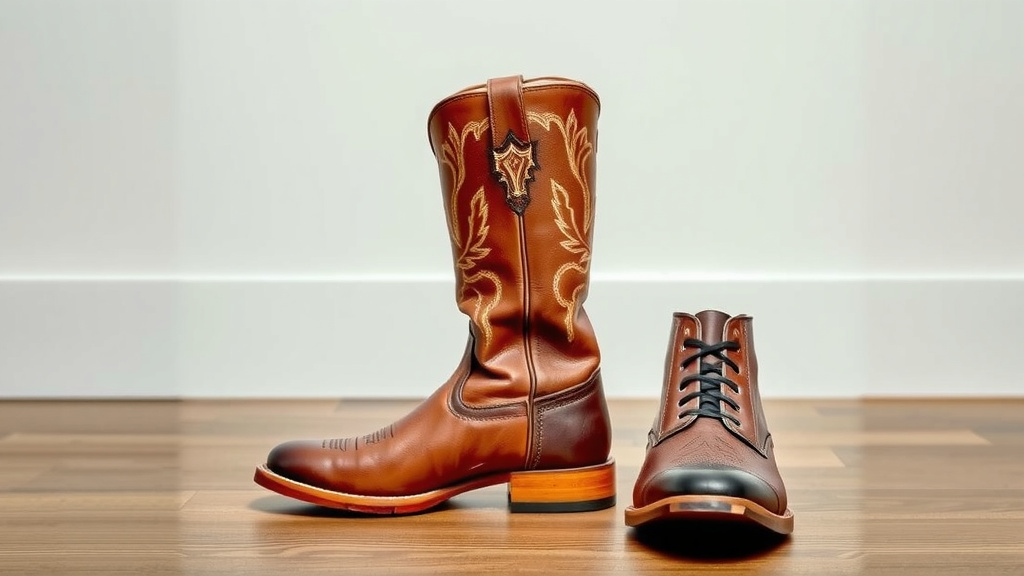
Getting your cowboy boots to fit just right is a unique experience compared to your everyday shoes. Remember, they should feel snug in the instep and midfoot, with ample room for your toes to wiggle. Don’t be alarmed by a slight heel lift when they’re new; this is normal and will lessen as they break in. Most importantly, be prepared for a break-in period. Patience will reward you with boots that feel like a custom extension of your own feet. When you find that perfect balance of snugness and comfort, you’ll know you’ve found the right pair!
Frequently Asked Questions
Will my cowboy boots feel too small at first?
Yes, it’s very common for new cowboy boots to feel tighter than your regular shoes, especially across the instep and midfoot. This snugness is intentional and helps keep your foot secure. We found that this initial tightness is part of the break-in process as the leather molds to your foot.
How much should my heel lift in new cowboy boots?
You should expect a slight heel lift as you walk in new cowboy boots. This indicates the boot is working with your stride. However, your heel shouldn’t be slipping out completely or feeling loose with every step. A little lift is good; excessive movement means they might be too large.
Can I wear my usual shoe size in cowboy boots?
Often, no. Our research and user experiences show that most people need to go down a half size from their typical shoe size for cowboy boots. The snugger fit in the foot requires a bit more precision than with sneakers or dress shoes. Trying on different sizes is essential.
Are cowboy boots supposed to be uncomfortable during the break-in period?
A little stiffness or pressure is normal during the break-in, but cowboy boots shouldn’t feel painfully tight or cause blisters. If you experience significant discomfort, the fit might be off. We recommend wearing them for short periods around the house initially to help them conform to your feet gradually.
What’s the best way to ensure a proper cowboy boot fit?
The best approach is to try them on in person if possible, ideally later in the day when your feet are slightly swollen. Wear the type of socks you plan to wear with the boots. Check for that snug instep, wiggle room in the toes, and only a slight heel lift. Don’t hesitate to ask for assistance from an experienced boot fitter.