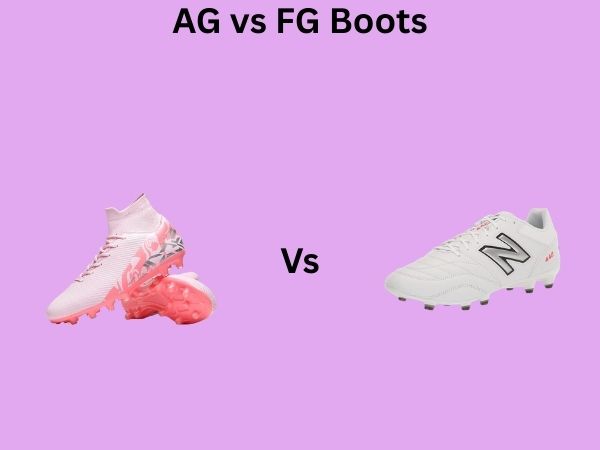
AG vs FG Boots: A Complete Guide to Choosing the Right Football Boot for Your Playing Surface
If you’ve ever stood in a sports store staring at rows of football boots, wondering what those mysterious letters mean, you’re not alone. The difference between AG and FG boots might seem like technical jargon, but it’s actually one of the most important decisions you’ll make as a footballer. Think of it like choosing between running shoes for a track versus trail shoes for hiking—the wrong choice can affect your performance and even put you at risk of injury.
In this comprehensive guide, I’m going to walk you through everything you need to know about AG and FG boots, helping you understand which one is right for you based on where you actually play.
Understanding Boot Acronyms and What They Mean
Before we dive deeper, let’s clarify what these letters actually represent. In the football boot world, manufacturers use specific codes to indicate which surfaces their boots are designed for. These aren’t random abbreviations—they’re carefully standardized to help players identify the right equipment for their needs.
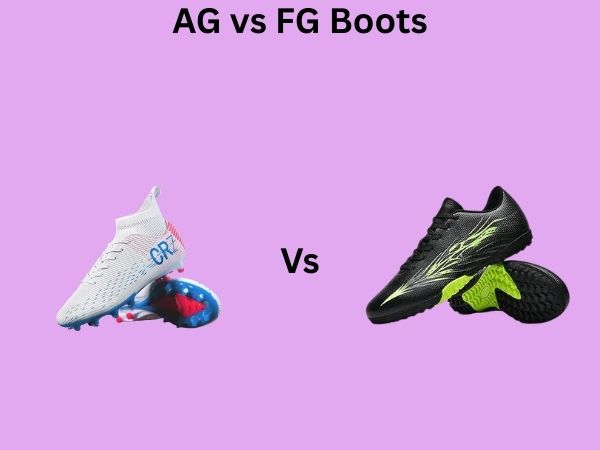
You’ll encounter several designations in the boot marketplace. FG stands for “Firm Ground,” which is the traditional and most common surface type. AG stands for “Artificial Ground,” designed specifically for synthetic surfaces. There’s also SG (Soft Ground) for muddy, wet pitches, HG (Hard Ground) for concrete-like surfaces, and even MG (Mixed Ground) for versatile play. Each one has its own stud configuration and design philosophy.
Why Do These Designations Matter?
Here’s the thing—the surface you’re playing on directly affects how your boot interacts with the ground. When studs are mismatched to the playing surface, you lose traction, increase the risk of twisting your ankle, and potentially damage both your boots and the pitch itself. It’s like trying to nail something with a hammer when you really need a screwdriver—technically it might work, but it’s not the right tool for the job.
What Exactly Are FG Boots?
FG boots, or Firm Ground boots, are the most traditional and widely used football boots on the market today. If you’ve played football at any level, you’ve almost certainly worn FG boots at some point. These are the go-to choice for natural grass pitches that are well-maintained and moderately firm.
Stud Design in FG Boots
FG boots typically feature between 10 and 13 conical or bladed studs arranged across the sole. These studs are medium-length, usually made from rubber or plastic, and they’re designed to penetrate the natural grass surface just enough to provide excellent traction without excessive resistance when you’re turning or changing direction.
The configuration is usually symmetrical, with studs distributed across the heel, midfoot, and forefoot. This balanced approach works well on natural grass because the studs bite into the earth without getting caught or stuck. When you’re sprinting down the wing or making a quick pivot, the studs release cleanly from the grass, giving you that smooth, responsive feel.
The Versatility Factor
One reason FG boots remain so popular is their versatility. They work reasonably well on various types of firm natural grass surfaces. Whether you’re playing on a pristine Premier League pitch or a somewhat worn community ground, FG boots will generally provide adequate support and traction. This versatility is why many players stick with FG boots exclusively.
What Exactly Are AG Boots?
AG boots represent a relatively newer category in football footwear, designed specifically for the explosion of artificial grass pitches worldwide. As synthetic surfaces became more common in schools, clubs, and municipal facilities, manufacturers realized that existing FG and SG boots weren’t optimal for these environments.
Stud Design in AG Boots
AG boots feature more studs than FG boots—typically between 13 and 17 of them—and they’re generally shorter and more densely packed. Think of it as the difference between scattered large nails and a dense array of smaller ones. This higher stud count is crucial because artificial surfaces have a completely different structure than natural grass.
The shorter, more numerous studs distribute your weight more evenly across the synthetic surface. This design prevents the studs from digging too deeply into the artificial turf, which would cause excessive drag and make it harder to move freely. The studs are also usually more rounded or conical rather than bladed, which works better with the rubber-like texture of artificial pitches.
Why AG Boots Exist
Artificial grass presents unique challenges that natural grass doesn’t. The surface is less forgiving, more resistant, and has different grip characteristics. Without proper studs, you risk losing traction or, conversely, getting your studs caught in the synthetic fibers, which could lead to ankle injuries. AG boots solve this problem by optimizing stud placement and design for synthetic surfaces.
Key Differences Between AG and FG Boots
Stud Count and Density
The most obvious difference you’ll notice is the number of studs. FG boots typically have fewer, larger studs spread further apart. AG boots have more studs that are closer together. This isn’t a cosmetic choice—it fundamentally changes how the boot performs on different surfaces.
Stud Height
FG studs are generally taller, allowing them to penetrate natural grass effectively. AG studs are shorter, preventing them from digging too deeply into synthetic surfaces. If you were to measure them, you might find FG studs at 8-10mm while AG studs might be 6-8mm, though these measurements vary by manufacturer.
Stud Shape
FG boots often use a mix of conical and bladed studs, with some models featuring more aggressive blade designs for enhanced cutting movements on grass. AG boots typically stick with rounded or slightly conical shapes that work better with the resistance of artificial surfaces.
Overall Boot Structure
While the most noticeable difference is in the studs, the sole plate itself might also differ slightly. AG boots sometimes have slightly stiffer sole plates to handle the harder, less forgiving artificial surface. FG boots, by contrast, often have a bit more flexibility to work with the natural give of grass.
Traction and Grip Performance
How Traction Works on Natural Grass
When you wear FG boots on proper natural grass, the studs penetrate the earth, creating friction and grip. It’s similar to how cleats on running shoes work on a track. The grass gives way slightly, allowing the studs to catch and provide traction without excessive resistance. This is why FG boots feel so responsive on grass—there’s a natural partnership between the boot design and the playing surface.
How Traction Works on Artificial Grass
Artificial surfaces work completely differently. The rubber or plastic fibers don’t compress the same way natural grass does. When you wear FG boots on artificial grass, those longer studs can catch too deeply in the synthetic fibers, creating drag that slows you down and makes quick movements feel sluggish. AG boots, with their shorter, more numerous studs, distribute pressure more evenly and move through the artificial surface more cleanly.
The Grip Sweet Spot
Here’s what many players don’t realize: too much grip can be as problematic as too little. When studs catch excessively in artificial turf, you risk your foot staying planted while your body continues forward, leading to potential knee or ankle injuries. AG boots are designed to hit that sweet spot of grip without excessive catch.
Stud Configuration Explained
Heel Studs
Both FG and AG boots feature heel studs, but they’re arranged differently. FG boots typically have a triangular or slightly wider arrangement of studs in the heel for stability during backward movement and deceleration. AG boots have a denser cluster of smaller studs in the same area.
Midfoot Studs
The midfoot area is crucial for lateral stability and quick directional changes. FG boots space studs further apart, while AG boots pack them closer together. This means AG boots provide more distributed support across the midfoot, which some players find more comfortable on artificial surfaces.
Forefoot Studs
The forefoot is where you generate power for shooting, jumping, and accelerating. FG boots have larger studs here that dig into grass effectively. AG boots have more numerous, shorter studs that work better with the different surface characteristics of artificial turf. The forefoot arrangement significantly affects how the boot feels when you’re pushing off for explosive movements.
Durability Considerations
FG Boot Durability on Natural Grass
When used on the proper surface—firm natural grass—FG boots are exceptionally durable. The studs experience minimal wear because they’re designed to work harmoniously with grass. However, using FG boots on artificial grass or hard ground is a different story. The studs can wear down more quickly because they’re not designed for that surface, and you might experience stud breakage or tearing.
AG Boot Durability on Artificial Grass
AG boots are specifically designed to handle artificial surfaces, so they wear quite well when used appropriately. The synthetic materials used in modern artificial pitches are designed to work with AG stud configurations. However, wear FG boots on artificial grass regularly, and you’ll likely see accelerated deterioration compared to using AG boots on the same surface.
The Mismatch Problem
One of the biggest mistakes players make is wearing the wrong boot type for their surface. This doesn’t just affect performance—it significantly reduces boot lifespan. A player wearing FG boots on artificial grass might replace their boots twice as often as a player using appropriate AG boots. Over time, this becomes an expensive habit.
When to Wear FG Boots
Professional and High-Level Play
Professional leagues almost exclusively use natural grass pitches, so professional players wear FG boots. If you’re playing at competitive levels on maintained natural grass, FG boots are absolutely the right choice.
Community and Amateur Leagues
Many community leagues still use natural grass facilities. If your regular playing surface is natural grass—even if it’s not pristine—FG boots will serve you well. They’re the traditional choice for good reason.
Hybrid Situations
Some facilities have a mix of natural and artificial surfaces. If you play primarily on natural grass but occasionally on artificial turf, you might stick with FG boots and accept slightly compromised performance on the artificial surface rather than carrying two pairs of boots.
Casual and Recreational Play
If you play casually on natural grass pitches without any artificial grass usage, FG boots are the straightforward answer. There’s no need to overthink it.
When to Wear AG Boots
Dedicated Artificial Grass Facilities
If your club or team primarily trains and plays on artificial grass, AG boots are the obvious choice. You’ll notice better control, smoother movement, and longer boot lifespan compared to wearing FG boots on the same surface.
School and Youth Soccer
Many schools have shifted to artificial grass due to durability and maintenance benefits. If you’re a young player with most of your soccer on synthetic surfaces, AG boots make complete sense.
Mixed Surface Players
Some players train regularly on artificial grass but occasionally play on natural grass. If artificial surfaces make up 70-80% of your playing time, AG boots are the better choice, with the understanding that performance on natural grass will be slightly compromised.
Indoor Facilities
Many indoor facilities use artificial surfaces designed similarly to outdoor synthetic pitches. If you play indoor soccer regularly, AG boots often provide better performance than FG boots on these surfaces.
Comfort and Fit Differences
Sole Plate Flexibility
AG boots sometimes have slightly stiffer sole plates because they’re designed for less forgiving surfaces. This can initially feel different from FG boots, but most players adapt within a few wears. Some players actually prefer the added structure, while others find FG boots more comfortable due to their slightly greater flexibility.
Stud Responsiveness
The different stud configurations affect how responsive the boot feels underfoot. On appropriate surfaces, both feel responsive—just in slightly different ways. On mismatched surfaces, you’ll feel the difference immediately as sluggishness or instability.
Break-In Period
Whether you’re wearing AG or FG boots, you’ll need a break-in period. However, the break-in experience might feel different. AG boots on artificial grass might feel slightly stiffer initially but become more responsive as the studs and sole adjust to the surface. FG boots on natural grass typically feel responsive almost immediately.
Price Point Comparisons
Base Pricing
Generally speaking, FG and AG boots are priced similarly by most manufacturers. You won’t find a significant price advantage with one category over the other. Both can range from budget-friendly options to premium versions depending on the brand and model.
Long-Term Cost Considerations
Here’s where the economics become interesting. If you’re wearing the wrong boot type for your surface, you’re essentially paying to replace boots more frequently. A player wearing FG boots exclusively on artificial grass might spend significantly more money over several seasons than a player using appropriate AG boots. The correct boot choice is actually an investment in long-term savings.
Brand Variations
Major brands like Nike, Adidas, Puma, and others price their FG and AG boots competitively. You might find slight variations between brands, but the core pricing structure is fairly consistent across the industry.
Professional Player Preferences
Premier League and Professional Standards
Professional footballers almost exclusively wear FG boots because they play on natural grass pitches maintained to the highest standards. You won’t see professional players in premiere leagues wearing AG boots because their playing environment doesn’t require them.
Training Facility Variations
Interestingly, many professional teams have both natural and artificial grass training pitches. Some top-level players might wear FG boots during official matches but switch to AG boots for certain training sessions on artificial surfaces. This dual-boot approach allows them to optimize performance and safety regardless of the training pitch.
Sponsorship and Equipment
Professional sponsorship deals often dictate what boots players wear. A