1000 Mile Boot vs Iron Ranger: Which Heritage Boot Is Better?
When you’re standing in front of your closet trying to decide which iconic American boot deserves a spot in your rotation, you’re facing one of those classic dilemmas that doesn’t have a one-size-fits-all answer. The Wolverine 1000 Mile Boot and the Red Wing Iron Ranger have both earned legendary status in the world of heritage footwear, but they’re about as different as two boots can be while still occupying the same premium price bracket. Let me walk you through everything you need to know to make the right choice for your lifestyle and preferences.
Understanding the Heritage Boot Category
Before we dive into comparing these two titans of American bootmaking, let’s talk about what makes a heritage boot special in the first place. These aren’t fashion statements that’ll be out of style next season. Heritage boots are investments in craftsmanship, longevity, and a certain timeless aesthetic that transcends trends. They’re the kind of boots that your grandfather might’ve worn, that you’ll wear for decades, and that your kids might actually want to inherit from you.
Think of heritage boots as the difference between fast fashion and a tailored suit. You’re paying for quality materials, expert construction, and the promise that these boots will actually look better as they age, developing a rich patina and character that new boots simply don’t possess.
The Wolverine 1000 Mile Boot: An Overview
The Wolverine 1000 Mile Boot is basically the American success story of footwear. Created back in 1940, this boot has maintained its original design philosophy while gradually incorporating modern manufacturing improvements. The “1000 Mile” name comes from Wolverine’s original marketing claim that these boots would last for a thousand miles of wear before needing resoling.
Design and Aesthetic Appeal
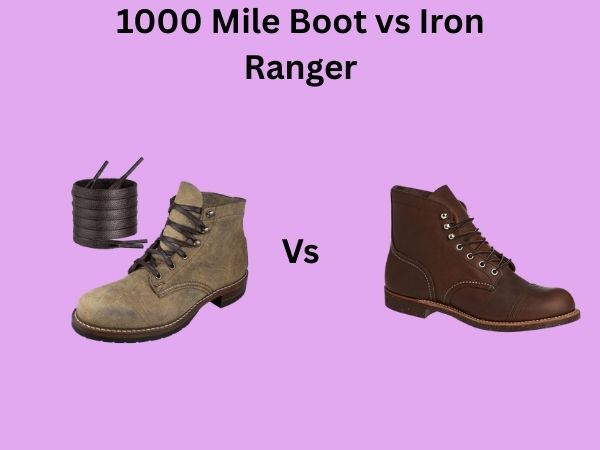
What immediately strikes you about the 1000 Mile Boot is its sleek, almost elegant profile. These boots aren’t chunky or aggressive looking—they’re refined. The silhouette is relatively slim, with a tapered toe box that wouldn’t look out of place at a casual dinner or even paired with dress pants. The overall appearance is more refined than rugged, which actually makes them versatile enough for various settings.
The leather used in traditional 1000 Mile Boots is typically Horween leather, which is tanned using vegetable methods and develops a gorgeous patina over time. When you first get them, they’re a rich, warm brown color. After months of wear, the leather transforms, developing lighter spots and an uneven tone that actually looks incredible—like the boots have a story to tell.
Construction Method and Quality
Wolverine uses a Goodyear welt construction for the 1000 Mile Boot, which is one of the hallmarks of quality footwear. This means the upper part of the boot is stitched to a welt, which is then stitched to the sole. The beauty of this method is that when your sole eventually wears out, you can have it replaced without replacing the entire boot. It’s like replacing the engine in a classic car rather than junking the whole vehicle.
The construction process involves multiple layers and careful attention to detail. Real craftspeople are involved in building these boots, not just machines running on autopilot. You can feel the difference when you handle a pair.
The Red Wing Iron Ranger: An Overview
Red Wing Shoes has been in the business of making work boots since 1905, and the Iron Ranger is one of their most celebrated creations. First introduced in 1955, the Iron Ranger was designed for people who actually needed their boots to survive serious work environments. This is a boot that was born in the field, not in a designer’s imagination.
Design and Aesthetic Profile
The Iron Ranger looks tougher than the 1000 Mile Boot right out of the box. It has a more pronounced, blocky silhouette with a roomier toe box. The cap toe design (that reinforced section across the front of the boot) is more prominent and gives the boot a distinctly workmanlike appearance. This isn’t a boot you’d wear to brunch—it’s a boot you’d wear to actually get things done.
Red Wing typically uses their own proprietary leather, which is Amber Harness leather in most classic Iron Ranger versions. This leather is tougher from the start and also develops a beautiful patina, though it tends to darken and deepen rather than lighten like Horween leather does.
Construction and Durability Focus
The Iron Ranger also uses Goodyear welt construction, so both boots share this fundamental advantage. However, the Iron Ranger’s overall construction is oriented toward absolute durability. The leather is thicker, the heel is more substantial, and the overall boot is engineered to handle punishment. Red Wing wasn’t trying to make a boot that looked good—they were trying to make a boot that worked.
That said, Red Wing’s craftsmanship is exceptional. These boots are still made by skilled workers who understand that a boot is only as good as its weakest component.
Comparing Comfort and Break-In Period
1000 Mile Boot Comfort
Here’s the honest truth: the 1000 Mile Boot can be uncomfortable during the break-in period. The initial phase might involve some genuine discomfort, particularly around the heel and the top of the boot where the leather is stiff. However, and this is important, once they break in—usually after a few weeks of regular wear—they become remarkably comfortable. The leather softens considerably, and the boot molds to your foot in a way that feels almost custom.
The boot’s slimmer profile means less material is rubbing against your skin, which can be an advantage once it’s broken in properly. Many owners report that their 1000 Mile Boots become more comfortable than their everyday sneakers after a few months of wear.
Iron Ranger Comfort
The Iron Ranger has a similar break-in period to the 1000 Mile Boot, but the experience is slightly different. Because the boot is roomier and the leather is thicker, the break-in can feel more forceful. Your feet might feel like they’re being held in a vice grip, particularly if you’re not used to wearing quality work boots. However, the Iron Ranger’s break-in is often described as more dramatic but also quicker—meaning the point where they suddenly feel great can come surprisingly fast.
The roomier toe box does provide some immediate comfort advantage, especially if you have wider feet or don’t like your toes feeling snug. Some people find this better right from day one.
Price Comparison and Value Proposition
Both of these boots typically fall in a similar price range, usually somewhere between $300 and $400 depending on where you shop and current sales. This isn’t cheap, but it’s also not the most expensive boot territory. You’re paying for quality, and both brands deliver on that promise.
The real value question isn’t about the initial purchase price—it’s about longevity. If a boot lasts for fifteen years instead of three, it’s not really more expensive, is it? Both the 1000 Mile Boot and the Iron Ranger are designed to last decades with proper care and occasional resoling. That’s where your money actually goes.
Styling Versatility and Outfit Integration
1000 Mile Boot in Your Wardrobe
The 1000 Mile Boot is the more versatile option if you want a boot that works with multiple styles. The refined silhouette means you can wear them with jeans, chinos, or even dress pants. The warm brown leather color is relatively neutral and works with earth tones, blues, and greens. You could realistically wear these boots to a casual dinner, a hiking trip, or just running errands around town.
If you have a lifestyle that requires some versatility—not everyone has the luxury of wearing pure workwear—the 1000 Mile Boot adapts better. They’re what you might call a “bridge boot” that exists between pure dress and pure casual.
Iron Ranger in Your Wardrobe
The Iron Ranger is more specifically a workwear boot, though it’s gained popularity in streetwear and casual fashion over the years. If you’re incorporating it into your style, you’re generally committing to a more rugged aesthetic. Raw denim, work pants, flannel shirts—these are the Iron Ranger’s natural companions. The boot looks out of place with anything too refined or dressy.
That said, the Iron Ranger has become fashionable enough that wearing it as a lifestyle choice is totally acceptable, even if you’re not actually working on a job site. The boot has transcended its pure work origins.
Weather Resistance and Practical Considerations
How These Boots Handle Different Conditions
Both boots are made from leather and will benefit from regular conditioning with boot cream or mink oil to maintain water resistance. Neither boot is waterproof out of the box, though they’re water-resistant. If you’re expecting to wade through streams or spend extended time in heavy rain, you might want to look at boots with waterproof liners or Gore-Tex membranes.
That said, properly maintained leather on either boot will shed water reasonably well. The tighter stitching on both boots means water doesn’t immediately seep through at the seams. Red Wing’s thicker leather on the Iron Ranger might have a slight advantage in weather resistance simply because there’s more material between you and the elements.
Seasonal Appropriateness
Neither boot is designed specifically for extreme cold or extreme heat. They’re best suited for spring, fall, and mild winter conditions. In severe winter, you might want insulated boots. In summer, these boots might make your feet uncomfortably warm. But for the majority of the year in most climates, they’re perfectly appropriate.
Maintenance and Long-Term Care
Both boots require similar maintenance approaches. You’ll want to:
- Clean them regularly with a soft brush to remove dirt and dust
- Condition the leather every few months with appropriate products
- Use cedar shoe trees to help maintain shape and absorb moisture
- Rotate your wear so the boots can dry out and rest between uses
- Get them resoled by a professional cobbler when the original sole wears out
The maintenance isn’t onerous, but it is necessary. Think of it like maintaining a car—not difficult, just part of the responsibility of owning something quality.
Sole Options and Traction Performance
1000 Mile Boot Sole Options
The 1000 Mile Boot typically comes with a leather sole or a crepe rubber sole option, depending on the specific model. The leather sole is more refined and authentic to the original design but offers less traction, especially on wet surfaces. The crepe rubber sole provides better grip and lasts longer, though it’s slightly less elegant aesthetically. You can choose based on your priorities.
Iron Ranger Sole Options
Red Wing’s Iron Ranger commonly features a Vibram sole, which is an industry standard for quality work boots. Vibram soles offer excellent traction, durability, and shock absorption. They’re specifically engineered for serious use, which makes them a practical choice if you’re actually doing work or spending time on uneven terrain. The trade-off is that Vibram soles are noisier and less flexible than lighter sole options.
Width and Fit Considerations
This is an important factor that often gets overlooked. The 1000 Mile Boot tends to run relatively true to size with a medium width. If you have particularly wide feet, you might find them snug. Red Wing, particularly the Iron Ranger, offers more width options and generally runs slightly wider overall. If you know you have wide feet, the Iron Ranger might be the more comfortable choice right from the start.
Always try boots on in person if possible, or order from retailers with good return policies. Sizing in heritage boots can be particular, and getting the right fit is crucial for long-term satisfaction.
The Patina Development: Which Boot Ages Better?
One of the greatest joys of owning quality leather boots is watching them develop character over time. The patina that develops is like a visual record of everywhere you’ve walked and everything you’ve done while wearing them.
The 1000 Mile Boot’s Horween leather typically develops a lighter, more varied patina with creases and marks becoming very prominent. The boot takes on a lived-in appearance relatively quickly, which many people find absolutely beautiful.
The Iron Ranger’s Amber Harness leather darkens and deepens over time, developing a richer, more burnished appearance. The changes are perhaps more subtle than the 1000 Mile Boot, but they’re no less beautiful. The boot becomes deeper in color and more distinguished looking.
Neither develops a “better” patina—they’re just different. It depends on whether you prefer the vintage, well-traveled look or the rich, deepening tone.
Resale Value and Market Demand
Heritage boots hold value surprisingly well. Both the 1000 Mile Boot and the Iron Ranger command respect in the secondhand market. If you ever decide to sell your boots, you’ll likely recoup a significant portion of your initial investment, especially if you’ve taken care of them.
The Iron Ranger has perhaps slightly higher demand in the streetwear community and among boot enthusiasts, but both boots are consistently sought after by people who understand their value. This isn’t like buying trendy shoes that’ll be worthless next year.
Making Your Final Decision: Which Boot Is Right for You?
So which boot should you actually buy? Let me break it down based on different scenarios:
Choose the 1000 Mile Boot if:
- You want a boot that’s more versatile for mixed casual and semi-formal settings
- You prefer a refined, sleek aesthetic
- You want a boot that’s more comfortable during the break-in period
- You like the idea of a dramatic patina development
- You’re a smaller person or have narrower feet
- You want a boot that works equally well on weekends and weekdays
Choose the Iron Ranger if:
- You appreciate a distinctly rugged, workmanlike aesthetic
- You have wider feet or need a roomier toe box
- You want superior traction and sole performance
- You appreciate heavier-duty construction
- You’re building a more work-oriented wardrobe
- You want a boot that looks equally good whether it’s brand new or ten years old
Conclusion
The truth is, you can’t really go wrong with either of these boots. They’re both American-made (or have strong American heritage), both use Goodyear welt construction, and both will likely outlast the rest of your wardrobe if you treat them with basic respect. The choice between them comes down to your personal aesthetic preferences, your lifestyle, and your foot shape.
The Wolverine 1000 Mile Boot is the more refined option—elegant without being pretentious, versatile without being generic. The Red Wing Iron Ranger is the more straightforward option—honest, tough, and unapologetically workmanlike. Neither is objectively better; they’re just different expressions of boot-making philosophy.
If you’re someone who wants to wear one boot with multiple styles, the 1000 Mile Boot is likely your answer. If you’re someone who appreciates pure functionality and distinctive style, the Iron Ranger is probably calling your name. And honestly? The best boot is the one you’ll actually wear. Whichever you choose, you’re getting decades of wear out of a well-made product, and that’s something worth celebrating.