1000 Mile Boots vs Red Wing: Quality, Comfort & Value Compared
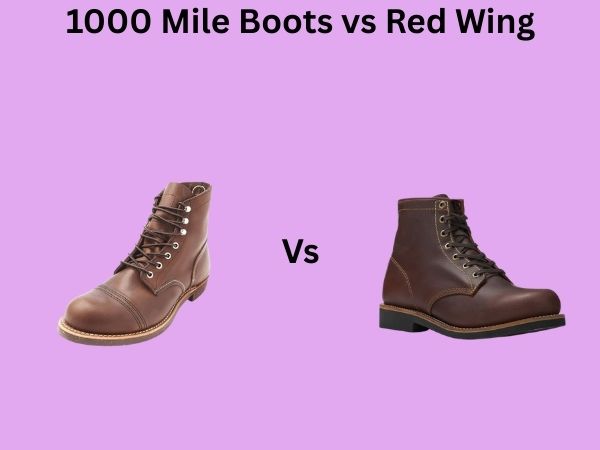
When you’re shopping for premium work boots or everyday footwear that’ll last you years, two names keep popping up: 1000 Mile Boots and Red Wing. Both brands have built serious reputations in the boot world, and honestly, choosing between them can feel like picking between two excellent options when you really just want one clear winner.
I’ve spent considerable time researching both brands, talking to folks who wear them daily, and diving deep into what makes each one special. The truth is, there’s no universally “better” boot—it depends on what you actually need. Let me break this down for you so you can make an informed decision that won’t leave you with buyer’s remorse.
Understanding Brand Heritage: Where These Boots Come From
Before we compare specs and prices, let’s talk about where these boots actually come from and what they stand for.
1000 Mile Boots: American Manufacturing Excellence
Wolverine, the company behind 1000 Mile Boots, started way back in 1883. These boots are made right here in the United States, which carries real weight when you’re thinking about quality control and craftsmanship. The name “1000 Mile” isn’t just marketing fluff—it’s a promise that these boots can handle serious distance and tough conditions. The original design was created in the 1920s, and the company has kept that classic aesthetic while improving the construction over the decades.
Red Wing Shoes: A Century of Boot-Making Tradition
Red Wing has an equally impressive story. Established in 1905 in Minnesota, this family-owned business has become synonymous with quality work boots. What sets Red Wing apart is their obsessive attention to detail and their willingness to experiment with materials and construction methods. They’ve got manufacturing plants in the United States and also produce boots overseas, giving them flexibility in their product line while maintaining their quality standards.
Construction Methods: How the Magic Happens
This is where things get really interesting. The way a boot is constructed fundamentally determines its lifespan and how it’ll feel on your feet.
Goodyear Welt Construction in 1000 Mile Boots
1000 Mile Boots use Goodyear welt construction, which is essentially the gold standard in boot manufacturing. Here’s what that means: a welt (a strip of leather) is sewn between the upper and the sole, creating an incredibly strong bond. This construction method allows you to resole your boots multiple times without compromising structural integrity. It’s like having a leather bridge that holds everything together—when the sole wears out, you can swap it out while keeping your beloved upper intact.
Red Wing’s Construction Techniques
Red Wing uses several construction methods depending on the specific boot model. Their classic work boots often feature either Goodyear welt or Norwegian welt construction. Norwegian welt is actually even more robust than standard Goodyear welt because the welt is stitched on the outside of the sole, making it even more durable. Some of their heritage boots use Blake stitch or combination constructions that balance flexibility with durability.
The Construction Advantage
Both brands understand that construction is everything. The key difference is that 1000 Mile Boots are pretty standardized in their approach, while Red Wing offers variety depending on what you’re buying. This means Red Wing has options for different uses—some boots prioritize flexibility for all-day comfort, while others prioritize maximum durability for work environments.
Comfort and the Breaking-In Experience
Here’s something nobody talks about enough: a premium boot needs a break-in period. It’s not a flaw; it’s actually a sign that the materials are quality.
1000 Mile Boots Break-In Period
Expect a solid 3-4 week break-in period with 1000 Mile Boots. During this time, you might experience some heel slipping, and your feet will probably feel sore by the end of the day. But here’s the thing—once they’re broken in, they mold to your feet like a glove. The leather is thick and structured, so it takes time to develop that personalized fit.
Tips for Breaking In 1000 Mile Boots
- Wear them for short periods initially—maybe just a couple hours
- Use leather conditioner to soften the leather gradually
- Wear thick socks to provide extra cushioning during the break-in phase
- Consider using heel grips if heel slipping becomes annoying
Red Wing Comfort Experience
Red Wing boots are generally known for being slightly more comfortable right out of the box. The leather tends to be a bit more supple, depending on the model, and the footbed is often more cushioned. This doesn’t mean zero break-in—you’ll still need a couple weeks—but many people report that Red Wing boots are more forgiving during that adjustment period.
Individual Variability
Here’s the honest truth: comfort is incredibly personal. Some people’s feet are sensitive and need gentler break-in; others don’t mind a bit of pain for the promise of long-term durability. What matters is knowing what to expect so you’re not surprised.
Material Selection and Quality of Leather
The leather you choose can make or break your boot experience—literally.
1000 Mile Boots Leather Options
1000 Mile Boots typically come in Horween leather, which is some of the finest leather available. Horween is a Chicago tannery that’s been producing leather since 1905, and they’re obsessive about their craft. The leather develops a beautiful patina over time, meaning it gets more character and distinction the more you wear it. It’s like watching your boots age into something more beautiful, rather than just wearing out.
Red Wing Leather Choices
Red Wing sources leather from multiple tanneries, which gives them flexibility but also means quality can vary between models. Some of their premium lines use Horween leather too, but others use leather from different suppliers. This isn’t necessarily bad—it just means you need to know what you’re getting. Red Wing’s quality control is excellent, so even their different leather sources meet high standards, but the characteristics will differ.
Leather Durability Comparison
Both brands understand that leather quality is non-negotiable. The real difference is consistency. With 1000 Mile Boots, you know exactly what you’re getting every time. With Red Wing, you have more variety, which means more options but also a need to understand what each specific boot offers.
Price Point and Overall Value
Let’s talk money, because these aren’t cheap boots regardless of which direction you go.
1000 Mile Boots Pricing
Expect to pay somewhere in the $300-$400 range for standard 1000 Mile Boots. Special editions or limited releases can run higher. This is a solid investment, but it’s the standard price for quality Goodyear welted boots.
Red Wing Pricing
Red Wing boots range from about $250 on the lower end to $400-$500 for their premium heritage lines. This wider range actually gives you more options depending on your budget. You can get quality Red Wing boots for less than 1000 Mile, or you can spend more for specialized models.
Value Proposition
When we talk value, we need to consider resale value, lifespan, and how much enjoyment you’ll get. 1000 Mile Boots hold their value exceptionally well—people actively buy and sell them on secondary markets because they know what they’re getting. Red Wing boots also hold value, though perhaps slightly less in some cases because there’s more variety in the lineup.
Aesthetic Appeal and Style Versatility
Looking good matters, even if you won’t admit it out loud.
1000 Mile Boots Aesthetic
1000 Mile Boots have a consistent, timeless look. They’re chunky in the best way possible—substantial and masculine without being obnoxious. If you’re going for that rugged, slightly vintage vibe, these boots deliver. They work equally well with jeans and rolled cuffs or with chinos and a casual shirt.
Red Wing Style Spectrum
Red Wing offers incredible style diversity. Their heritage boots look similar to 1000 Mile Boots, but they also have slimmer models, more refined options, and boots designed specifically for different professions. If you want something that looks equally at home at the office or in the field, Red Wing probably has a model for you.
Sole Options and Functional Performance
The sole determines how your boot interacts with the world beneath your feet.
1000 Mile Boots Sole Technology
1000 Mile Boots typically come with a leather sole, sometimes with a rubber heel. Some models offer rubber soles for increased grip and durability. The leather sole gives a more traditional feel and improves the break-in experience, but rubber is more practical for actual daily work.
Red Wing Sole Choices
Red Wing offers multiple sole options: Vibram rubber soles (excellent grip and durability), nitrile cork soles (shock-absorbing), and oil-resistant soles specifically for work environments. This variety means you can pick exactly what performance characteristics matter for your use case.
Warranty and Customer Service
What happens when something goes wrong?
1000 Mile Boots Warranty
Wolverine offers a limited warranty covering manufacturing defects. They stand behind their boots, and they have good relationships with cobblers for repairs and resoling. The process is straightforward, though you might need to handle shipping yourself.
Red Wing Customer Service
Red Wing has retail stores in many locations, which means you can walk in with a problem and get help immediately. They offer a warranty and actively help with repairs, resoling, and modifications. Their direct access to customers is actually a significant advantage if you have questions or issues.
Long-Term Wear and Maintenance Requirements
Boots are an investment that requires care to maximize their lifespan.
Maintaining 1000 Mile Boots
You’ll want to condition the leather regularly—think every 3-6 months depending on use. Use quality leather conditioner and let them dry naturally after wet weather. With proper care, these boots can genuinely last 10-15 years or longer. The key is consistency in maintenance.
Red Wing Boot Care
Red Wing boots need similar care, though the specific products might differ depending on which leather you have. Red Wing actually sells their own care products specifically formulated for their boots, which can simplify the process. The durability timeline is comparable—expect 10+ years if you maintain them.
Resoling and Rebuilding
Both brands’ boots can be resoled by quality cobblers. This is actually where Goodyear welted boots shine—you’re not replacing the whole boot, just the sole. For either brand, expect to pay $60-$120 for a resole, which extends your boot life significantly.
Real-World User Experiences
What do people actually say about wearing these boots daily?
1000 Mile Boot Reviews
People love the consistency and heritage aspect of 1000 Mile Boots. The main complaint is the break-in period being rough. Once broken in, users consistently praise the comfort and how the boots mold to their feet. Long-term owners report that they’re worth every penny, and the patina development becomes a point of pride.
Red Wing User Feedback
Red Wing gets praise for variety and immediate wearability in many models. Users appreciate the local retail presence and customer service. The diversity in their lineup means some people find their perfect boot, while others might try multiple models before finding the right fit. Long-term users are equally loyal, though perhaps slightly less likely to post about it online.
Which Boot Suits Your Lifestyle?
This is the real question that matters.
Choose 1000 Mile Boots If You:
- Want consistency and know exactly what you’re getting
- Love the idea of boots developing character through wear
- Can endure a break-in period
- Value heritage and classic American manufacturing
- Plan to wear your boots for decades
- Appreciate simplicity in the product line
Choose Red Wing Boots If You:
- Want flexibility and multiple options
- Prefer faster comfort right out of the box
- Need boots for specific professions or uses
- Value direct customer service and local retail presence
- Want some boots that are slightly more affordable
- Like having customization options for soles and styles
Conclusion
After examining both 1000 Mile Boots and Red Wing from every angle, the answer to which is better comes down to your personal priorities. Neither boot is objectively superior—they’re just different approaches to quality footwear.
1000 Mile Boots represent consistency, heritage, and the reward of a proper break-in period. They’re for people who want to know exactly what they’re getting and are willing to invest time in making that investment pay off. The patina they develop becomes part of your story, which many users find deeply satisfying.
Red Wing Boots represent flexibility, accessibility, and immediate practicality. They’re for people who want options, appreciate customer service, and might not want to suffer through a brutal break-in period. Their wide range means nearly everyone can find something that works.
Here’s my honest take: if you’re buying your first premium boot and want something that’ll feel good quickly while still lasting forever, Red Wing is probably your safer choice. If you’re a seasoned boot wearer who appreciates heritage and doesn’t mind a proper break-in period, 1000 Mile Boots are phenomenal.
Either way, you’re investing in footwear that’ll serve you well for years. That’s what matters most.
Frequently Asked Questions
Can I resole both 1000 Mile Boots and Red Wing boots?
Absolutely. Both brands use construction methods that allow for resoling by competent cobblers. Goodyear welt construction, which both brands use in their premium lines, is specifically designed for this purpose. You’re not replacing the entire boot—just the sole—which significantly extends the lifespan and represents excellent value. Expect to pay between $60 and $120 for a quality resole,