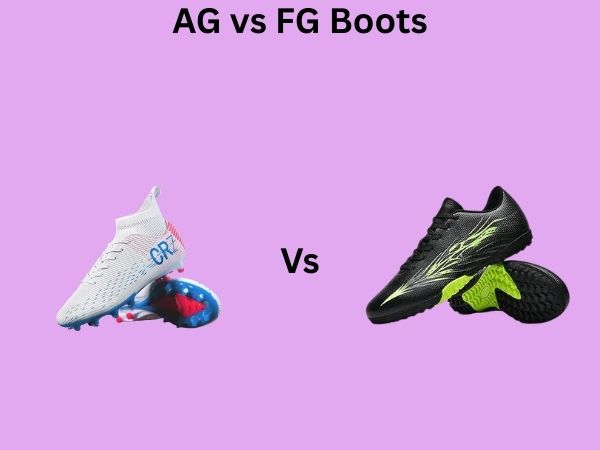
AG Boots vs FG Boots: A Complete Guide to Choosing the Right Football Boot Surface
Have you ever wondered why professional footballers seem to glide across the pitch while others struggle with their footing? The answer often lies beneath their feet. Choosing between AG boots and FG boots isn’t just a minor decision—it’s a fundamental choice that can dramatically impact your performance, comfort, and injury risk on the football field.
Think of it like choosing between running shoes designed for roads versus trails. Each is engineered for a specific environment, and using the wrong type can lead to slipping, discomfort, and reduced performance. In this guide, we’ll explore the differences between these two popular boot types and help you make an informed decision based on where you play.
The Growing Confusion Among Players
Walking into a football retail store today, you’ll encounter dozens of acronyms: AG, FG, SG, HG, and more. Many players find themselves standing in the aisle, completely bewildered about which boot will actually work best for their specific playing conditions. This confusion isn’t your fault—manufacturers have created a complex system of categorization that genuinely takes some explanation.
Understanding AG Boots: What Makes Them Special
The Fundamentals of AG Boot Design
AG stands for “Artificial Grass,” and these boots are specifically engineered for playing on synthetic or artificial turf surfaces. The design philosophy behind AG boots is straightforward: create a boot that provides optimal traction and control on man-made playing surfaces.
What you’ll notice immediately when examining an AG boot is the stud configuration. These boots typically feature a higher number of smaller studs compared to their natural grass counterparts. Picture a porcupine’s quills—more numerous and closer together—rather than a cactus with fewer, larger spines. This design distributes your weight across a larger surface area, preventing the boot from sinking into or catching on artificial turf.
Stud Characteristics in AG Boots
The studs on AG boots possess several distinctive features that set them apart:
- Typically range from 10 to 15 studs depending on the manufacturer
- Smaller in individual size but greater in total number
- Often have a conical or bladed shape
- Made from durable rubber or plastic compounds
- Designed to maximize contact with synthetic fiber surfaces
The Technology Behind AG Boot Soles
The sole plate of an AG boot is engineered to work harmoniously with artificial grass texture. Manufacturers recognize that artificial turf behaves differently than natural grass—it doesn’t compress the same way, it provides different friction, and it can create unexpected catching points. Advanced AG boots feature specially textured sole plates that grip without catching, allowing for explosive movements without your foot getting stuck.
Getting to Know FG Boots: The Natural Grass Solution
What FG Really Means and Why It Matters
FG stands for “Firm Ground,” and these boots are the traditional choice for natural grass pitches. They’re the standard football boot you’ve probably seen professional players wearing in major leagues around the world. The design of FG boots dates back decades and has been refined through countless seasons of professional play.
The fundamental concept of an FG boot is creating a secure connection between your foot and natural grass through strategic stud placement and design. Natural grass is a living, breathing surface that varies based on weather conditions, maintenance, and the time of season. FG boots account for these variations with their carefully calculated stud pattern.
The Stud Pattern of FG Boots Explained
Where AG boots embrace the “many small studs” philosophy, FG boots typically follow a “fewer, larger studs” approach. You’ll usually find between 6 and 13 studs on an FG boot, and these studs are considerably more substantial than their AG counterparts.
The typical FG boot layout includes:
- A defined stud pattern with strategic spacing
- Larger individual studs that penetrate the natural grass surface
- Usually a combination of round and conical studs
- Different stud heights for heel and forefoot areas
- Material composition that balances durability with ground interaction
Why Natural Grass Demands Different Boot Engineering
Natural grass creates different challenges than artificial turf. When you plant your foot on a grass pitch, the surface compresses beneath your studs. This compression actually improves your connection because the studs dig deeper into the ground. The larger studs on FG boots take advantage of this natural compression, anchoring your foot firmly to the pitch.
Additionally, natural grass has varying moisture levels. After rain, the surface becomes softer and more forgiving. During dry spells, it hardens considerably. FG boots are engineered to perform acceptably across these variable conditions, though their performance may be optimized for one particular ground condition over others.
Comparing AG and FG Boots: The Critical Differences
Traction and Grip Performance
This is where the rubber truly meets the road—or in this case, where the studs meet the surface. When you wear AG boots on natural grass, you might feel like you’re skating. The numerous small studs don’t penetrate the grass effectively, leaving you with a slippery, unstable feeling. Conversely, wearing FG boots on artificial grass is equally problematic. The larger studs can catch on the artificial fibers, creating unpredictable resistance and potential ankle strain.
Think of it this way: AG boots are like having many tiny wheels on a surface designed for rollers, while FG boots are like having large wheels on a surface where wheels get snagged. Neither works optimally in the wrong environment.
Stability and Ankle Support Considerations
The stability you experience wearing each boot type is dramatically different. AG boots provide a more stable platform when playing on artificial grass because your foot doesn’t sink into the surface. The multiple contact points create a secure base of support. FG boots can feel unstable on artificial grass because the studs may catch unpredictably, creating twisting forces on your ankle.
On natural grass, the situation reverses. The deeper penetration of FG studs creates a more secure connection, while the shallow contact points of AG studs feel precarious and unreliable.
Durability and Lifespan
Artificial grass is genuinely harsh on football boots. The synthetic fibers create friction that wears away stud material relatively quickly. AG boots are built with this reality in mind, featuring studs made from reinforced materials designed to withstand extended contact with artificial turf.
FG boots, while still durable, weren’t engineered for artificial grass abuse. Wearing FG boots regularly on artificial grass will noticeably degrade the studs faster than wearing properly matched AG boots. You might find yourself replacing your FG boots sooner than expected if you frequently play on artificial surfaces.
Playing Surface Compatibility: Making the Right Match
When to Choose AG Boots
The decision becomes crystal clear when you examine your primary playing surface. AG boots are your choice if you predominantly play on:
- Artificial grass pitches (the most common scenario)
- Hybrid grass systems that include significant artificial components
- Recreational facility pitches that are entirely synthetic
- Indoor artificial turf courts
- Training grounds with artificial grass surfaces
If your club or local pitch has switched to artificial grass in recent years, you’ve probably already experienced the difference when wearing the wrong boot type. The transition to AG boots makes an immediately noticeable difference in your control and confidence.
Situations Where FG Boots Excel
FG boots remain the superior choice when your playing environment includes:
- Traditional natural grass pitches
- Professional league standards (which primarily use natural grass)
- Amateur and recreational leagues with grass fields
- Dry, firm grass conditions
- Well-maintained grass pitches in good condition
If you’re involved in competitive football or aspire to play at higher levels, FG boots are typically your safest bet since most professional competitions use natural grass surfaces.
The Mixed Pitch Dilemma
What if you play on both surfaces regularly? This is where many players find themselves in a genuine bind. Some facilities have both natural grass and artificial pitches, or your schedule might involve matches on different surfaces.
The practical solution involves compromise. Many players in this situation choose to prioritize their most frequently used surface. If you play 70% of your football on artificial grass and 30% on natural grass, AG boots make more sense despite the occasional compromise on grass. Alternatively, if you have the budget, investing in both boot types eliminates the compromise entirely.
Comfort and Fit: The Personal Equation
How Boot Type Affects Comfort Levels
Comfort isn’t just about how a boot feels sitting in your home—it’s about how it feels during explosive movements, quick changes of direction, and extended periods of play. The stud configuration actually influences comfort more than many players realize.
AG boots with their numerous small studs create a relatively smooth, stable platform underfoot. Many players report feeling more secure and comfortable during rapid directional changes. FG boots, with their larger individual studs, can create pressure points on the sole of your foot if the studs don’t align perfectly with your natural pressure areas.
Breaking In Different Boot Types
The break-in period differs between AG and FG boots. AG boots typically require less break-in time because the numerous smaller studs distribute pressure more evenly. FG boots might need a longer adjustment period as your foot becomes accustomed to the pressure points created by larger studs.
Interestingly, the break-in experience also depends on the playing surface. Even a new FG boot will feel more comfortable on natural grass after just a few sessions, while the same boot on artificial grass may never feel quite right regardless of how long you’ve owned it.
Cost Analysis: Understanding the Price Difference
Base Price Comparisons
Generally speaking, AG boots and FG boots from the same brand and model line are priced similarly. You won’t find that one type costs significantly more than the other. However, availability affects pricing in practical terms.
In regions with more artificial grass pitches, AG boots are more readily available and competitive in price. In traditional football nations with extensive natural grass infrastructure, FG boots are easier to find and sometimes cheaper due to higher volume sales.
Total Cost of Ownership
When you consider the broader financial picture, choosing the right boot type saves money. Wearing the wrong boots on your playing surface accelerates stud wear, forcing you to replace boots more frequently. Over several years, consistently choosing the correct boot type can save you hundreds of dollars.
Additionally, injury prevention contributes to cost savings. Unstable footing from wearing mismatched boots can lead to ankle sprains or other injuries that result in medical expenses and missed playing time.
Professional vs. Amateur Considerations
What Professional Players Know
Professional footballers don’t leave their boot choice to chance. Teams employ equipment managers who ensure players have the appropriate boots for each playing surface. At the professional level, players typically own multiple pairs of boots tailored to different conditions.
You’ll notice that when professional teams play matches on artificial surfaces, their players are wearing AG boots or specialized hybrid boots. This attention to detail contributes significantly to the performance level we see in professional football.
Amateur Players and Practical Solutions
For amateur players with budget constraints, the situation is different. You might be able to justify owning only one pair of boots, which means making a strategic choice about which surface is most important to your playing situation.
Many amateur clubs are increasingly adopting artificial pitches for cost and maintenance reasons. This trend actually makes AG boots a more logical investment for recreational players, as you’re increasingly likely to encounter artificial surfaces regardless of your league’s traditional preference.
Weather Conditions and Performance
How Wet Weather Affects Each Boot Type
Rain creates dramatically different playing conditions on each surface. On natural grass, moisture makes the surface softer and more forgiving. Your FG studs penetrate more easily in wet conditions, often providing better traction in rain than in dry conditions.
Artificial grass, when wet, becomes noticeably slippery. The synthetic fibers don’t absorb water the way natural grass does, creating a slick surface. AG boots handle wet artificial grass better than FG boots would, but the overall traction is reduced compared to dry artificial playing conditions.
Cold Weather Performance
Temperature affects both boot materials and ground conditions. In cold weather, natural grass becomes firmer, and FG boots perform excellently. The harder ground provides maximum stud engagement.
Artificial grass in cold weather can become brittle and less forgiving. AG boots remain appropriate, though the overall playing conditions are less pleasant for any boot type.
Maintenance and Care: Extending Boot Life
Caring for AG Boots
Proper maintenance of AG boots focuses on managing the buildup of artificial grass fibers that accumulate on studs and the sole. After each use on artificial grass, take a few minutes to:
- Brush away loose synthetic fibers from studs and sole plate
- Rinse with cool water to remove debris
- Allow to air dry away from direct heat
- Inspect studs periodically for wear and damage
Avoid leaving AG boots caked with artificial grass material for extended periods, as this creates unnecessary stress on the studs and sole plate.
Maintaining FG Boots
FG boots require slightly different care due to their natural grass application. Focus on:
- Removing caked-on mud immediately after play
- Rinsing thoroughly with water to remove grass and soil particles
- Allowing proper air drying in a well-ventilated area
- Cleaning studs specifically, as grass and soil can lodge between them
- Occasional conditioning of the upper materials
Natural grass debris is more damaging to boots than artificial grass because it contains soil particles that can degrade materials if left unattended.
Making Your Final Decision: The Decision Framework
Questions to Ask Yourself
Before making